

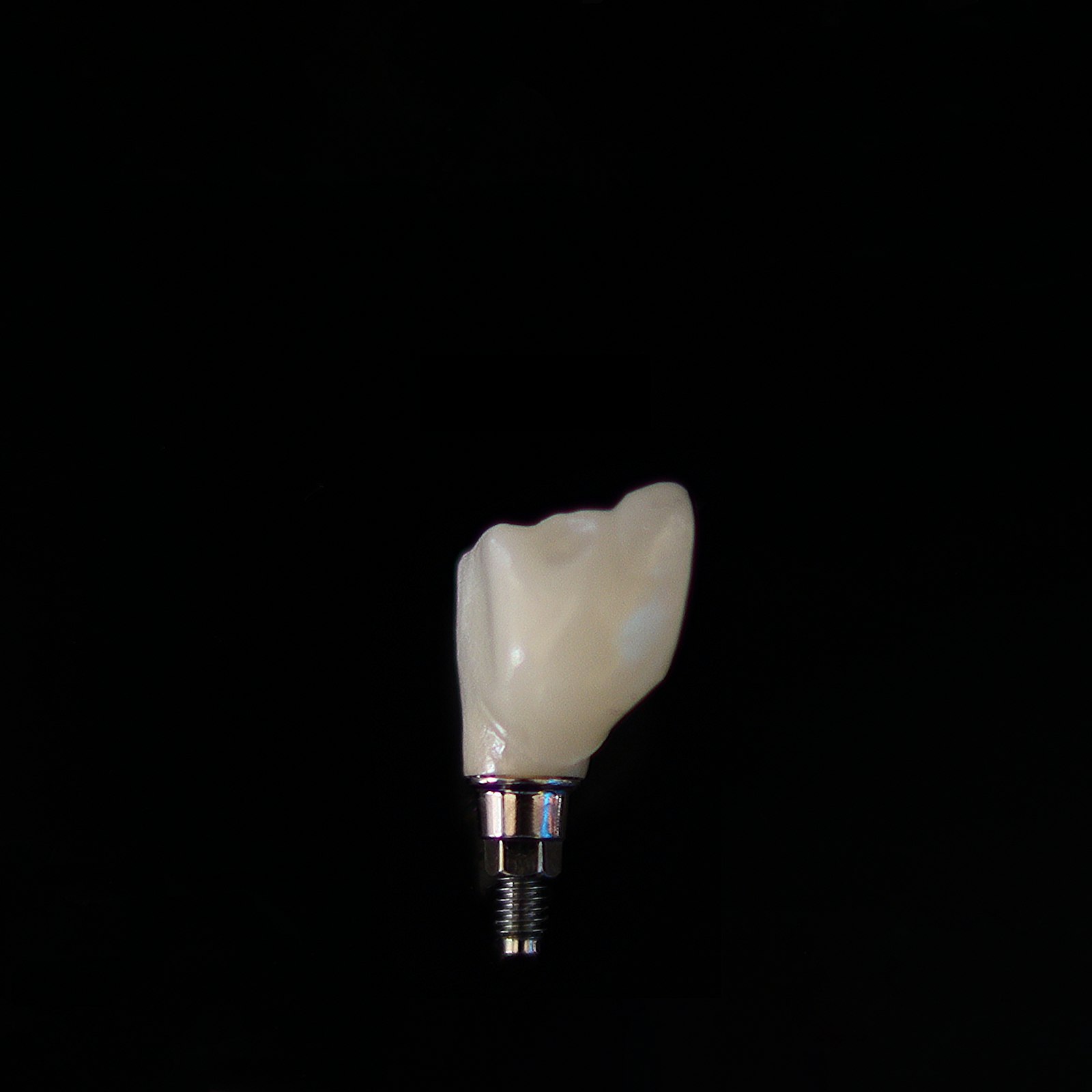

Osseointegration is the biological process that makes dental implants work: the jawbone grows directly onto the surface of a titanium implant and locks it firmly in place. This fusion is what lets an implant function like a natural tooth root, and it is the reason implants have such high long-term success, with studies reporting overall success rates around 95 to 98 percent. Understanding osseointegration explains why implant treatment takes the time it does and what helps it succeed.
Key takeaways
- Osseointegration is the direct fusion of living bone to the surface of a titanium implant.
- It typically takes around three to six months, depending on the jaw and your healing.
- The implant is usually left to heal undisturbed during this phase before the final tooth is attached.
- Success rates are high, commonly cited at around 95 to 98 percent.
- Smoking, uncontrolled health conditions and overloading the implant too early can interfere with it.
What the word means
The term combines osteon, meaning bone, with integrare, meaning to make whole. It describes exactly what happens: bone cells grow up to and onto the implant surface until there is a direct connection between living bone and the implant, with no soft tissue in between. Titanium is used because its surface forms a stable oxide layer that bone readily attaches to. Over weeks and months, new bone strengthens this bond until the implant is effectively welded into the jaw.
How the process unfolds
Placement and initial stability
When an implant is placed, it is fitted snugly into prepared bone so it does not move. This early grip is called primary stability and it is mechanical, not biological. It holds the implant still while the real fusion begins.
Healing and fusion
Over the following weeks, the body remodels the bone around the implant. Some of the initial mechanical grip is replaced by genuine biological attachment as new bone forms on the surface. This handover from mechanical to biological stability is the heart of osseointegration.
Restoration
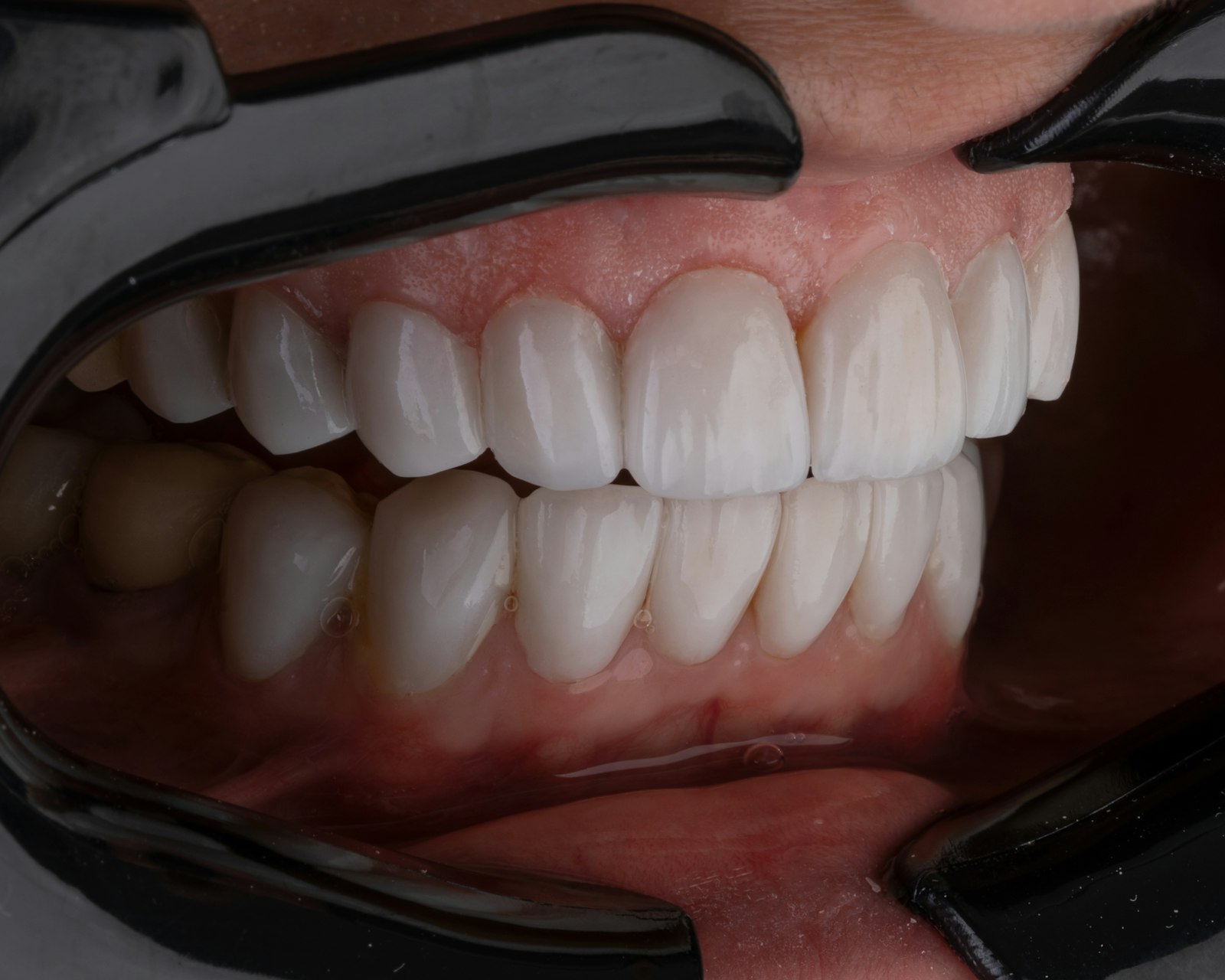
Once the implant has fused, it can support the final crown, bridge or denture. Loading it before fusion is complete risks tiny movements that can prevent integration, which is why patience during healing matters. Our guide to the cost of dental implants sets out the stages and what they involve.
How long it takes
Healing time varies with the location and bone quality. As a general guide, the lower jaw, which has denser bone, often integrates in around three to four months, while the upper jaw can take closer to six months. Where a bone graft or sinus lift was needed first, the overall timeline lengthens. These are typical ranges, and your dentist will confirm timing based on your healing and X-rays.
| Stage | What is happening | Typical time |
|---|---|---|
| Placement | Implant fitted, primary stability achieved | Single appointment |
| Osseointegration | Bone fuses to the implant surface | About 3 to 6 months |
| Restoration | Final crown, bridge or denture attached | After fusion confirmed |
What helps and what hinders it
Several factors influence whether an implant integrates smoothly. Good bone volume and quality, controlled general health and not disturbing the implant during healing all favour success. On the other side, smoking reduces blood supply and is a well-known risk to integration, while poorly controlled diabetes and certain medications can slow healing. Loading the implant too early, before fusion is complete, is another avoidable risk. This is why immediate-load protocols, where a tooth is attached the same day, are reserved for carefully selected cases with strong primary stability, as our article on immediate-load dental implants explains.
Keeping the bond healthy long term
Osseointegration is not a one-time event you can forget about. The bond stays healthy only if the gum and bone around the implant stay healthy. Plaque build-up can lead to inflammation and bone loss around an implant, a condition called peri-implantitis, which can undermine the integration over time. Good cleaning and regular maintenance protect the investment. Our guides to cleaning dental implants, implant aftercare and peri-implantitis treatment cover how to keep an integrated implant for the long haul.
Frequently asked questions
How long does osseointegration take?
Usually around three to six months. The denser lower jaw often fuses faster than the upper jaw, and grafted sites take longer. Your dentist confirms readiness before attaching the final tooth.
How do I know if my implant has integrated?
Your dentist checks stability and may use X-rays before placing the final restoration. A well-integrated implant feels solid and painless. Persistent looseness or discomfort is assessed before proceeding.
Can osseointegration fail?
It can, though it is uncommon. Failure is more likely with smoking, poorly controlled health conditions, infection or loading the implant too early. Most failures show up in the first few months, which is why the healing phase is monitored.
Does smoking really affect implants?
Yes. Smoking reduces blood flow to the healing site and is one of the more significant risk factors for poor integration. Reducing or stopping, especially around the healing period, improves the odds of success.
The bottom line
Osseointegration is the quiet biological process that makes dental implants so reliable. Living bone fuses to the titanium surface over a few months, creating an anchor strong enough to function like a natural root. Protecting that bond with good health and cleaning keeps an implant working for years. The team at Lumi Dental can assess whether implants suit you. To plan a visit, see our current offers and pricing or book with an implant dentist in Melrose Park.

