
Pointy canine teeth can usually be softened with gentle enamel contouring, composite bonding or porcelain veneers, and when the canines sit high or out of line, orthodontics such as clear aligners may be the better first step. Typical Sydney costs range from about $100 to $400 per tooth for contouring up to about $1,500 to $2,500 or more per tooth for porcelain veneers, and the right choice depends as much on your bite as on appearance.
Patients I see often describe their canines as "vampire teeth" or "fangs", and many have felt self-conscious about them for years. The good news is that small changes can make a noticeable difference. This guide explains why canines look pointy, what each option involves, how long results typically last, and why the shape of a canine tip matters for how your teeth fit together. If you would like to see the options in person, you can start with our cosmetic dentistry page.
Key Takeaways
- Pointy canines are common and are usually due to genetics, little natural wear, small or missing neighbouring teeth, or canines that sit high in the arch.
- Tooth contouring removes a small amount of enamel to round the tip. It is quick but irreversible and limited by enamel thickness.
- Composite bonding adds tooth-coloured resin to soften the shape or build up neighbouring teeth, and often lasts about 5 to 7 years with maintenance.
- Porcelain veneers allow a full reshape and tend to last longer, but involve more tooth preparation.
- Clear aligners or other orthodontics may suit canines that are high, rotated or out of line.
- The simple rule: keep the bite in mind. A dentist checks canine guidance before reshaping any canine tip.
The Simple Rule: Protect Your Bite First
The simple rule: before changing the shape of a canine, a dentist should check how that tooth guides your bite. Canines are the longest-rooted teeth in the mouth and, in many people, they act as guides when you slide your jaw to the side. This is called canine guidance. As the lower jaw moves sideways, the upper and lower canines glide against each other and lift the back teeth apart, which can help protect the molars and premolars from heavy sideways forces.
If too much is taken off a canine tip, that guidance can be reduced and the back teeth may start to take more load. This does not mean pointy canines cannot be changed. It means the amount and method should be planned around your bite, not just the mirror.
Why Do Some Canines Look So Pointy?
Several factors, often in combination, can make canines stand out:
- Genetics: some people simply have a longer, sharper cusp tip on their canines.
- Little natural wear: over time, chewing and grinding tend to flatten canine tips. People who do not grind may keep a sharper point well into adulthood.
- Small or missing lateral incisors: when the teeth beside the canines are small (peg-shaped) or absent, the canines look larger and more prominent by comparison. Our guide to peg lateral incisor treatment explains this in more detail.
- Canines sitting high: canines are among the last front teeth to come through. If space is short, they may erupt higher up in the gum or slightly outside the arch, which makes the tip look more pointed and the tooth more noticeable.
- Tooth colour: canines are often naturally a shade or two darker than the front teeth, which can draw extra attention to them.

Option 1: Tooth Contouring (Enameloplasty)
Tooth contouring, also called enameloplasty or enamel reshaping, involves gently smoothing and rounding the canine tip with fine polishing instruments. Only a small amount of outer enamel is removed, and it is usually done without anaesthetic because enamel has no nerves. The appointment is often short and the change can be seen immediately.
The main limits are that enamel does not grow back, so the change is irreversible, and there is only so much enamel available before the underlying dentine starts to show. Contouring suits mildly pointed canines where only a little rounding is needed. A dentist will check canine guidance and enamel thickness first. You can read more in our guide to tooth contouring and reshaping.
Option 2: Composite Bonding
Composite bonding uses tooth-coloured resin that is shaped by hand and bonded to the tooth. For pointy canines, bonding can be used in two ways: adding resin to the sides of the canine to make the tip look less sharp and more rounded, or building up the neighbouring lateral incisors so the canines no longer look oversized. Bonding is often combined with a small amount of contouring for a balanced result.
Bonding usually needs little or no drilling, so it is largely reversible. It typically lasts about 5 to 7 years with good care, and it may need polishing or repair over time because resin can chip or stain more readily than porcelain. If you want to soften the edges of several teeth at once, edge bonding is a related approach. Lumi Dental offers composite bonding as part of its cosmetic dentistry services.
Option 3: Porcelain Veneers
Porcelain veneers are thin shells of ceramic made in a dental laboratory and bonded to the front of the teeth. They allow a full change of shape, length and colour, so they are often chosen when canines are pointy and also discoloured, worn unevenly or out of proportion with the rest of the smile. Porcelain resists staining well and typically lasts longer than composite.
The trade-off is that veneers usually require some enamel to be removed so the veneer sits flush, which makes them an irreversible choice. Veneers on canines also need careful design so they can handle the sideways forces of canine guidance. For a closer comparison, see composite bonding vs veneers and our porcelain veneers cost guide.
Option 4: Orthodontics and Clear Aligners
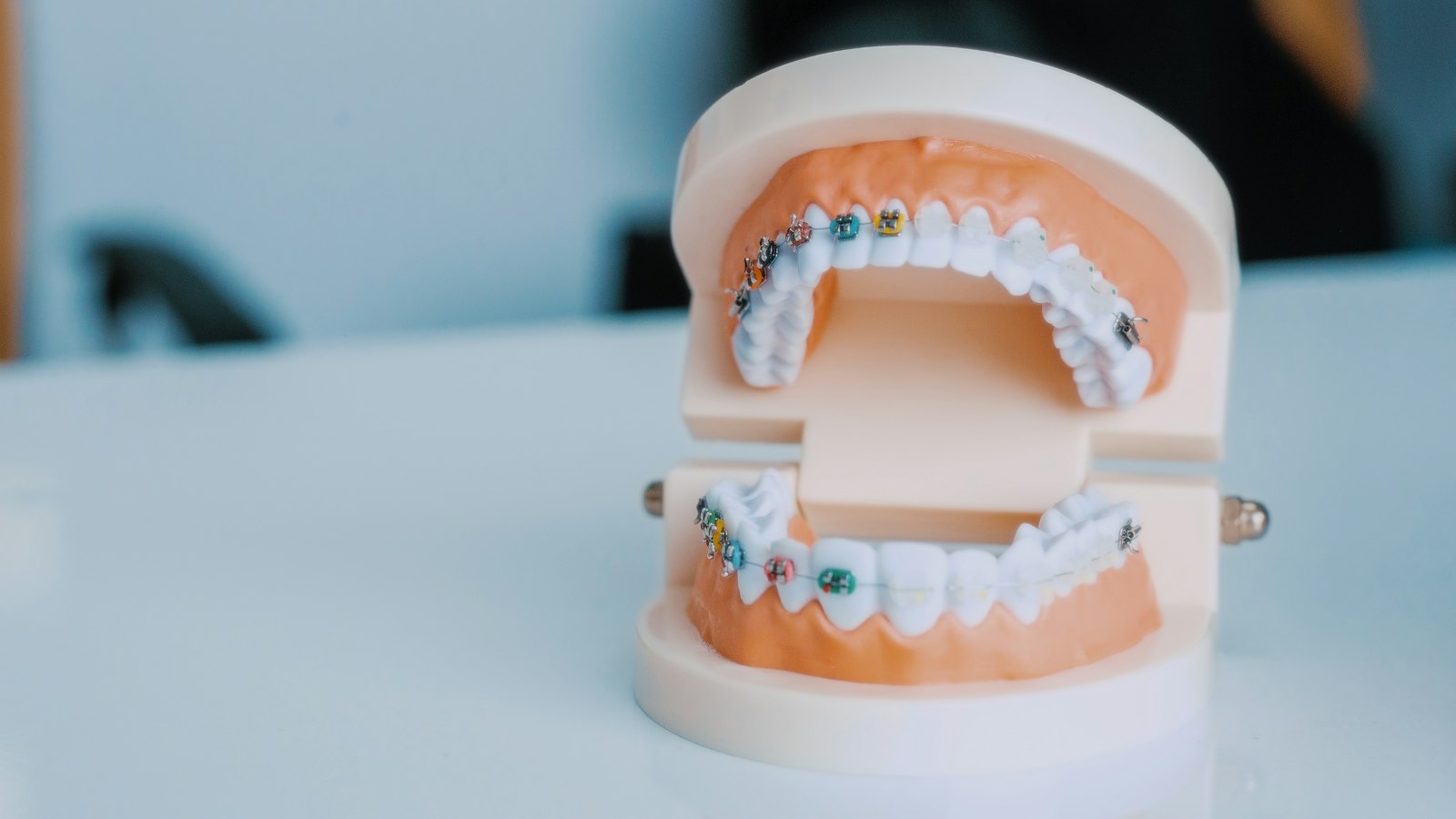
If a canine looks pointy mainly because it sits high in the gum, is rotated, or sticks out from the arch, reshaping the tip may not fix the underlying problem. Moving the tooth into a better position can make it look more natural before, or instead of, any cosmetic work. Clear aligners may suit many mild to moderate cases in adults. More complex cases, such as canines that have not come through fully, may need fixed braces or referral to an orthodontist, and a dentist can assess and refer where appropriate.
Orthodontics is often a sensible first step when bonding or veneers would otherwise need to be thick or bulky to compensate for a tooth that is out of line.
Comparison Table: Options for Pointy Canine Teeth
| Option | What it does | Reversibility | Typical Sydney cost range (varies by case) |
|---|---|---|---|
| Tooth contouring | Rounds and smooths the canine tip by removing a small amount of enamel | Irreversible | About $100 to $400 per tooth |
| Composite bonding | Adds resin to soften the shape or build up neighbouring teeth | Largely reversible (little or no drilling) | About $250 to $800 per tooth |
| Porcelain veneers | Full reshape and colour change with a ceramic shell | Irreversible (enamel preparation) | About $1,500 to $2,500 or more per tooth |
| Clear aligners or braces | Moves high, rotated or out-of-line canines into a better position | Tooth movement is lasting with retainer wear | Quoted per case, depends on complexity |
These are general Sydney market ranges and vary with the number of teeth, materials, complexity and the practitioner. For current pricing information at Lumi Dental, see our current deals page or ask for a written quote after an examination.
How to Choose the Right Option
In my experience, the best result often comes from the least invasive option that meets your goals. A few questions can help guide the decision:
- Is it mainly the tip? If the canine is a good colour and position and only the point bothers you, contouring or a little bonding may be enough.
- Do the neighbouring teeth look small? Building up the lateral incisors with bonding can rebalance the smile without touching the canines much.
- Is the tooth out of line? If so, orthodontics may come first.
- Are you also unhappy with colour or other teeth? Veneers or a wider cosmetic plan may be worth discussing, often with whitening done first so new work can be matched to your final shade.
- Do you grind? Grinding can chip bonding and stress veneers, so a night guard may be recommended.
Frequently Asked Questions
How do you fix sharp canines?
Sharp canines are usually fixed with gentle enamel contouring, composite bonding or porcelain veneers, depending on how much change you want. If the canines are out of line, orthodontics such as clear aligners may be recommended first.
Is it safe to file down pointy canines?
Filing down pointy canines can be safe when a dentist removes only a small amount of enamel after checking your bite. Removing too much may weaken the tooth, cause sensitivity or reduce canine guidance, so it should never be done at home.
Can composite bonding fix vampire teeth?
Yes, composite bonding can often soften the look of vampire teeth by rounding the canine shape or building up the neighbouring teeth. It typically lasts about 5 to 7 years with maintenance and can be repaired or redone.
Are pointy canines attractive?
Pointy canines are a normal variation and many people like the character they add to a smile. Whether to change them is a personal choice, and a cosmetic consultation can help you see what small changes might look like.
Does reshaping canines hurt?
Reshaping canines with contouring or bonding usually involves little or no discomfort, because enamel has no nerves and anaesthetic is often not needed. Veneers involve more preparation and are typically done with local anaesthetic.
Book a Complimentary Cosmetic Consultation
If pointy canines are bothering you, a short consultation can show which options suit your teeth, your bite and your goals. The team at Lumi Dental offers a complimentary cosmetic consultation where we can check your canine guidance, discuss contouring, bonding, veneers or aligners, and provide a written quote after your assessment. You can also explore our cosmetic dentistry services in Melrose Park.
This article is general information only and is not a substitute for personalised advice from a registered dental practitioner.