
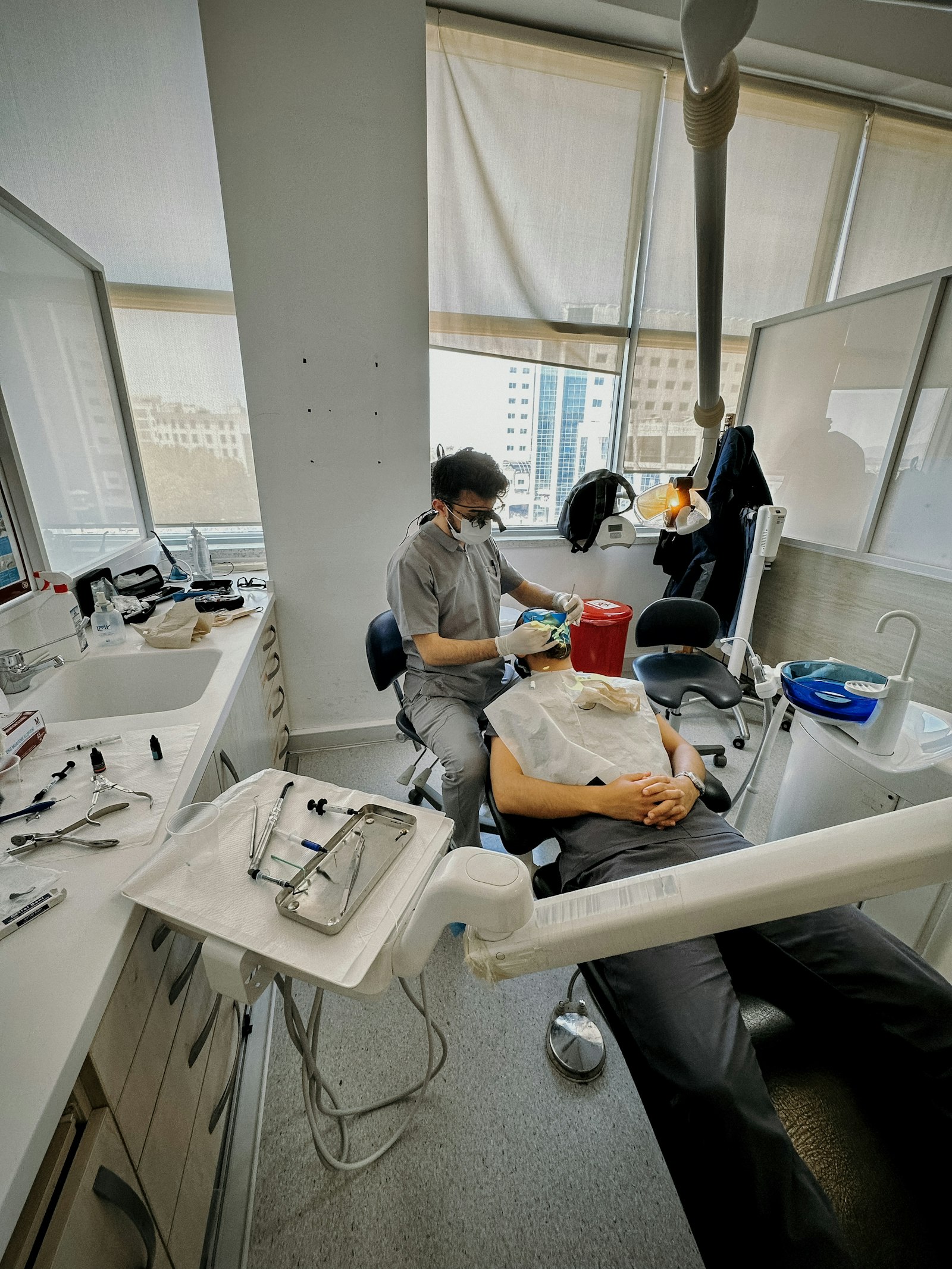

A small chip in a porcelain veneer can often be repaired with composite resin bonding in a single visit, but a larger crack or a veneer that has come loose usually needs full replacement. The right approach depends on how much of the veneer is affected and whether its structural integrity has been compromised, so it's worth getting it assessed rather than guessing.
Porcelain is strong but brittle, which means it can chip under the wrong kind of pressure, biting something hard, a knock to the mouth, or sometimes just wear over time. What happens next depends a lot on the size and location of the damage.
Key Takeaways
- Small chips can often be repaired with composite resin bonding, usually completed in one visit.
- Minor surface roughness or small edge chips are sometimes simply polished smooth without adding any material.
- Larger cracks, or a veneer that has debonded or come loose, generally need full replacement rather than repair.
- Porcelain doesn't bond reliably to itself once damaged, which is why bigger repairs aren't usually a lasting fix.
- Avoid DIY fixes like superglue, they aren't safe for use in the mouth and can make the damage harder to treat.
- Seeing a dentist promptly after noticing a chip helps prevent bacteria getting in underneath the veneer.
What Happens When a Porcelain Veneer Chips or Cracks
Not all damage is the same. A chip might be a small flake off the edge or surface, while a crack can run further through the material and affect how well the veneer is still bonded to the tooth underneath. The type, size, and location of the damage all factor into whether it can be repaired or needs replacing.
It's also worth checking whether the veneer is still firmly attached. A veneer that feels loose, or that has partly lifted away from the tooth, is a different situation to a chip on an otherwise well-bonded veneer, even if the visible damage looks similar at first glance.
Repair Options for Minor Damage
Polishing and Recontouring
For very minor chips or rough edges, sometimes no material needs to be added at all. A dentist can polish and smooth the area so it no longer catches on your tongue or looks uneven, without changing the shape much.
Composite Resin Bonding
For small to moderate chips, composite resin bonding is the usual repair. The dentist matches the resin to the shade of the veneer, applies it to the damaged area, shapes it, and light-cures it to harden. This can typically be completed in a single visit and is a comparatively fast and affordable fix. The trade-off is durability, composite bonding generally isn't as hard-wearing as the original porcelain, so it may need touching up again over time, particularly if it's on a biting edge.
When a Veneer Needs to Be Replaced
Larger or structural cracks usually call for full replacement rather than repair. Porcelain doesn't bond reliably to itself once it's fractured, so trying to patch a significant crack often doesn't hold up long-term. The same applies if a veneer has come loose or debonded from the tooth, since a gap or compromised seal can let bacteria in underneath, which raises the risk of decay on the tooth structure below. In these situations, a new veneer is generally the more reliable option. If decay has developed under a crown or veneer margin, our guide on tooth decay under a dental crown covers the warning signs to watch for.
| Option | Best Suited To | Typical Timeframe | General Australian Cost Range |
|---|---|---|---|
| Polish and recontour | Very minor surface chips or rough edges | Single visit, often under an hour | Usually included in a standard consult fee |
| Composite resin bonding repair | Small to moderate chips with the veneer still well bonded | Single visit | $200-$600 per tooth |
| Full veneer replacement | Larger cracks, debonded veneers, or damage affecting structural integrity | Typically two visits over one to two weeks | $900-$2,500 per tooth |
These are general Australian market ranges and will vary depending on the extent of the damage, the material used, and the practitioner. A dentist can give a written quote once they've assessed the veneer in person.
What to Do Right After You Notice a Chip
If you chip or crack a veneer, a few simple steps make a difference while you wait for an appointment:
- Avoid chewing on that side of your mouth until it's been checked.
- Keep the broken fragment if you have it, in some cases it can help with the repair.
- See a dentist promptly rather than leaving it, since sharp edges can irritate your tongue or cheek and small chips can worsen with continued use.
- Don't try to fix it yourself with superglue or any household adhesive. These products aren't safe for use in the mouth and can make it harder for a dentist to repair the veneer properly.
How a Dentist Assesses Repair vs Replace
At an assessment, a dentist will typically look at the size of the chip, whether the underlying bonding is still intact, whether the tooth structure beneath is exposed, and whether there's any sign of decay or infection starting underneath. X-rays may be used to check what's happening below the gum line and around the tooth. From there, they'll talk through whether a repair is likely to hold up, or whether replacement is the more reliable long-term option given where you are in your smile and how the tooth functions when you bite. If you're considering a broader smile update alongside any veneer work, our guide on the smile makeover timeline or our comparison of composite bonding vs veneers can help with planning. It's also worth understanding how restorations like inlays, onlays, crowns, and fillings differ, since some of the same repair-versus-replace thinking applies across restorative dentistry generally.
Frequently Asked Questions
Can a chipped veneer be fixed without replacing it?
Often, yes. Small chips can typically be repaired with composite resin bonding or, for very minor damage, simply polished smooth. Larger cracks usually need replacement.
How long does a veneer repair last?
Composite bonding repairs generally aren't as durable as the original porcelain and may need attention again over time, particularly on a biting edge. A dentist can advise on expected longevity based on the location and extent of the repair.
Is it safe to use superglue on a chipped veneer at home?
No. Household adhesives aren't designed for use in the mouth and can be unsafe if swallowed or if they contact soft tissue. They can also make it harder for a dentist to carry out a proper repair afterwards.
What causes a porcelain veneer to chip or crack?
Common causes include biting hard foods or objects, a knock or impact to the mouth, grinding or clenching, and general wear over time.
Does a chipped veneer mean the tooth underneath is damaged too?
Not always, but it's worth having it checked. A dentist can assess whether the tooth structure or bonding underneath has been affected, particularly if the chip is large or the veneer feels loose.
How soon should I see a dentist after a veneer chips?
As soon as reasonably possible. Prompt attention reduces the risk of the tooth's edge deteriorating further or bacteria getting in underneath the veneer.
If a veneer has chipped or cracked and you want it properly assessed, you can book a free consult to find out whether a repair or replacement is the better fit.


