

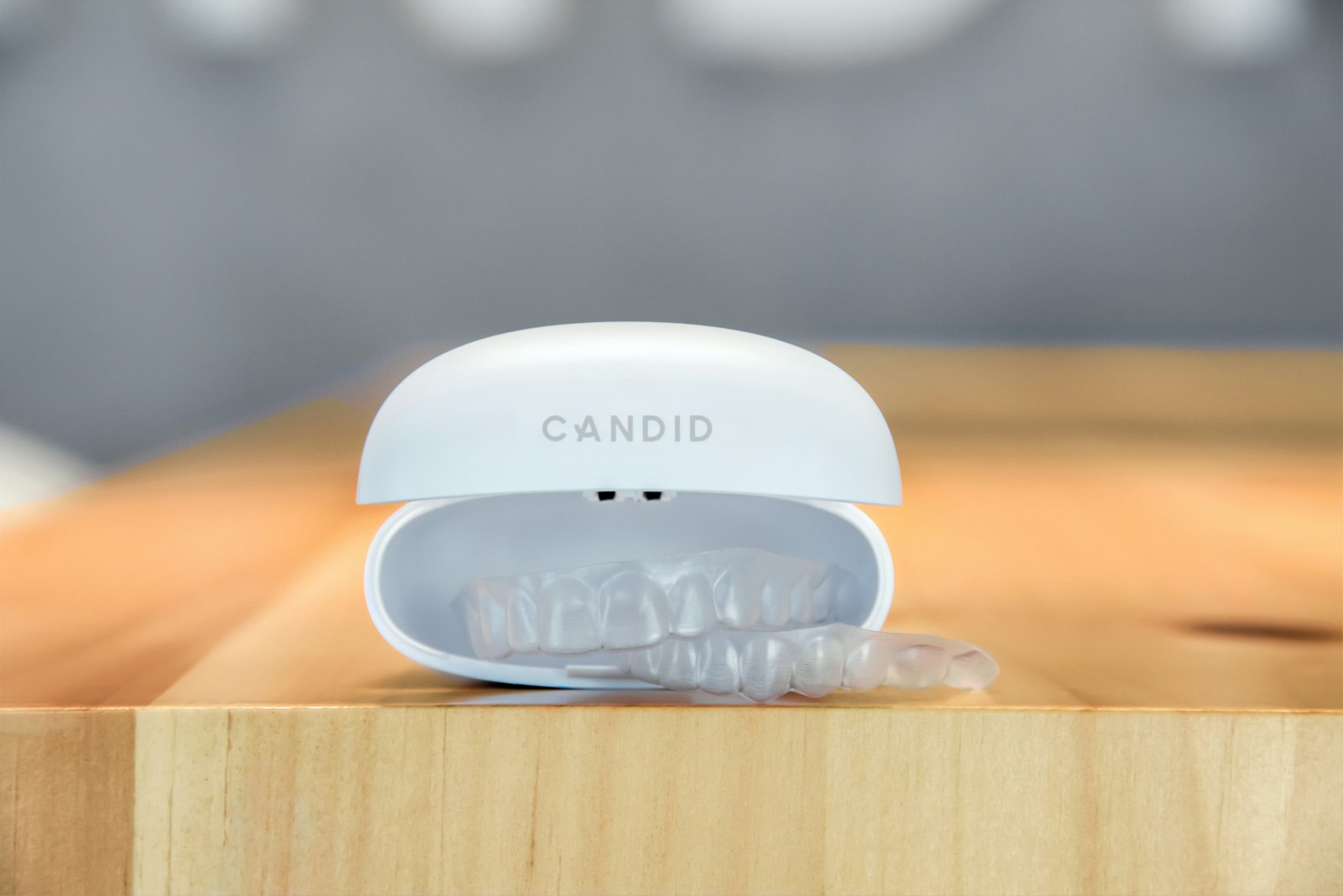

If you have lost or swallowed your retainer, the first thing to work out is which situation you are actually dealing with, because a misplaced retainer and a genuinely swallowed one call for different responses. Most retainers that seem to have vanished are sitting in a napkin, a school bag, a gym kit or, more often than people expect, in a pet's mouth. A true swallowing event is less common, and in the vast majority of cases the retainer passes through the digestive system without causing any harm within a few days. Either way, the situation needs prompt attention, because the longer your teeth go without retention, the sooner they can start to drift.
Key Takeaways
- A misplaced retainer is far more common than a swallowed one, so search thoroughly before assuming the worst.
- Teeth can begin to shift within days to a few weeks of going without a retainer, so treat any missing retainer as urgent, not optional.
- Most swallowed retainers pass through the digestive tract on their own within two to five days without medical intervention.
- Seek urgent medical care for choking, drooling, trouble swallowing, chest or abdominal pain, vomiting, or blood in the stool after swallowing a retainer.
- A night guard or any other appliance is not a safe substitute for your retainer while you wait for a replacement.
- Replacement retainers can typically be made within one to two weeks of a new scan or mould, depending on the type.
The One Rule: Lost vs Swallowed
Here is the rule that makes the rest of this easier to follow: if you did not feel or see the retainer go down, treat it as lost and search properly before panicking, and if you clearly remember swallowing it and you are breathing and swallowing normally afterwards, treat it as a wait and monitor situation rather than an emergency.
Is It Really Lost, or Has It Been Swallowed?
Retainers go missing for very mundane reasons. They get wrapped in a paper napkin at a cafe and thrown out, left on a tray table, dropped into a school bag, or chewed up by a curious dog or cat. Before assuming a retainer has been swallowed, it is worth checking pockets, bags, bathroom counters, bedside tables and bins from the last 24 hours.
A genuine swallowing event usually comes with a specific memory attached to it, such as a sudden gagging sensation while eating or talking with the retainer in, followed by a feeling of it going down. If you have that clear memory and no retainer turns up after a search, it is reasonable to assume it has been swallowed.

What to Do in the First 24 Hours if Your Retainer Is Lost
Search the likely spots first, including any bags, pockets or vehicles used since it was last worn. If you have an older retainer from a previous stage of treatment, even one that feels slightly tight, wearing it part time can help slow relapse while a replacement is arranged, though it is not a perfect fix. Contact the practice that made your retainer as soon as possible to get a replacement scan or mould booked in. Avoid the temptation to simply wait until your next scheduled visit, since gaps of even a week or two can allow noticeable movement in some patients, particularly soon after braces or clear aligners have finished.
What to Do in the First 24 Hours if You Have Swallowed a Retainer
Stay calm. The oesophagus and digestive tract are generally able to move small, smooth objects like a clear or acrylic retainer through the system without difficulty, and most people notice nothing further after the initial moment. It is sensible to eat normally, drink plenty of water, and watch your stool over the following few days to confirm it has passed, without needing to search through it in detail. Keep track of any new symptoms, since these determine whether you simply wait or need to be assessed.
When a Swallowed Retainer Needs Urgent Medical Attention
Most swallowed retainers are not medical emergencies, but some situations are. Seek urgent care at an emergency department or call an ambulance if there is any choking, coughing that will not settle, drooling or inability to swallow saliva, sharp chest pain, or a feeling that something is stuck in the throat. For retainers that have already passed into the stomach, seek medical review for abdominal pain, persistent vomiting, fever, or blood in the stool. Retainers with metal wire components, such as a Hawley retainer, carry a slightly higher theoretical risk of causing internal irritation from a sharp edge compared with a smooth clear plastic retainer, so mention the type of retainer to the treating doctor if you do need assessment.
Why You Shouldn't Just Skip Wearing a Retainer While You Wait
Teeth are held in their post-treatment position by a delicate balance of bone remodelling, gum fibres and soft tissue that is still settling for months, sometimes years, after braces or aligners finish. Without a retainer holding that position, some relapse can begin within days to a few weeks, particularly in the lower front teeth, which are often the first to show mild rotation or crowding. Our guide on whether teeth can shift without a retainer goes into more detail on this timeline. The take-home point is that a missing retainer is not a problem to get to eventually, it is one that benefits from being sorted out within days.
A Night Guard Is Not a Substitute
It is worth being clear about this, because it is a common assumption: a night guard, sports mouthguard, or any generic over-the-counter appliance is not designed to hold teeth in a specific alignment and should not be used as a stand-in for a retainer. A retainer is fitted to the precise contours of your teeth in their corrected position, while a night guard is generally built to cushion and separate the bite rather than control tooth position. Our article comparing a night guard and a retainer explains the structural differences in more detail. Wearing a night guard while you wait for a replacement retainer will not meaningfully slow down relapse.
Temporary Ways to Reduce Relapse Risk While You Wait
While a replacement is being organised, a few simple habits can help. Avoid chewing gum, nail biting or resting your tongue against the back of your front teeth more than usual, since these habits can encourage subtle movement when retention is temporarily reduced. If you kept an earlier retainer that still fits reasonably well, wearing it part time is better than wearing nothing at all. Book your replacement appointment as early as possible rather than waiting to see if things settle on their own, since a small amount of early movement is far easier to manage than movement that has been left for months.
How Replacement Retainers Are Made and How Long It Takes
Making a new retainer usually starts with either a digital scan of your teeth or a traditional putty mould, which is then used to fabricate the retainer to fit your current tooth positions. A removable retainer, whether a wire and acrylic Hawley style or a clear Essix style, is typically ready within a few days to two weeks depending on the lab and the type chosen. A fixed or bonded retainer that has come loose or broken usually needs an in-person appointment so the wire can be repaired or rebonded directly, which is often completed in a single visit rather than sent away to a lab.
| Retainer Type | Typical Australian Market Range | Typical Turnaround |
|---|---|---|
| Hawley retainer (wire and acrylic, removable) | Roughly $150 to $400 per arch | About 1 to 2 weeks |
| Clear or Essix style retainer | Roughly $120 to $300 per arch | A few days to 10 days |
| Fixed or bonded retainer repair | Roughly $150 to $350 | Often the same appointment |
These figures are general Australian market ranges rather than a quote for any specific patient, since the right option and the cost depend on your bite, your treatment history and how the retainer was damaged or lost. For an accurate figure and a written quote, it is best to book a consultation. You can see current offers at current deals or arrange a visit with the general dentist team.
Frequently Asked Questions
Can I just leave my retainer out until I get a new one?
It is better not to. Even a week or two without any retention can allow enough movement in some patients that the new retainer no longer seats comfortably, so it is worth wearing an older retainer part time if you have one, or arranging your replacement appointment as soon as possible.
How long can I go without a retainer before my teeth shift?
This varies a great deal between people, but noticeable movement, especially in the lower front teeth, can start within days to a few weeks in some patients, particularly in the first year or two after braces or aligners finish.
What should I do if I think I swallowed a retainer with sharp wire?
Monitor closely for choking, drooling, chest pain or difficulty swallowing and seek emergency care immediately if any of these occur. Even without symptoms, it is worth mentioning the wire component to a doctor if you seek any assessment.
Can a lost retainer be replaced without visiting in person?
Generally no. A new mould or digital scan is needed to make a retainer that fits your current tooth position accurately, so an in-person visit is usually required even if the original retainer was made some time ago.
Is it safe to wear an old retainer that no longer fits well?
A retainer that feels tight or uncomfortable is still generally better than nothing in the short term, but it should not be forced into place, and you should still book a replacement rather than relying on an old one long term.
Will my teeth move back to how they looked before treatment if I lose my retainer for a few weeks?
Full relapse to the original position is uncommon over just a few weeks, but some degree of shifting is possible, which is why prompt replacement matters more than it might seem.
What if my retainer was chewed up by a pet?
Treat it the same as a lost retainer. Contact your dental team for a replacement scan, and keep future retainers in a hard case when not being worn to prevent this happening again.
If your retainer has gone missing or you think you may have swallowed it, the team at Lumi Dental can arrange a prompt replacement scan and talk you through whether any further monitoring is needed. Check current deals or book with the general dentist team to get a new retainer organised quickly.

