


A night guard protects your teeth from the force of grinding and clenching, while a retainer holds your teeth in the position they were moved to after braces or aligners. They can look similar, but they do different jobs and are not interchangeable. Wearing the wrong one for your problem can waste money or let a result slip. This guide explains how they differ, when you might need both, and how to look after whichever you wear.
Key takeaways
- A night guard is a cushion that absorbs grinding force and protects teeth from wear.
- A retainer keeps teeth from drifting back after orthodontic treatment.
- A retainer is usually too thin to protect against heavy grinding, and a standard night guard will not reliably hold alignment.
- Some people who grind and have had braces need both, or one appliance designed to do both jobs.
- Your dentist can tell you which you need based on whether the issue is grinding, relapse, or both.
What each one does
The clearest way to see the difference is side by side.
| Night guard | Retainer | |
|---|---|---|
| Main job | Protect teeth from grinding and clenching | Hold teeth in their corrected position |
| Who it is for | People who grind or clench (bruxism) | People who have finished braces or aligners |
| Typical thickness | Thicker, to absorb bite force | Thinner, to sit closely against the teeth |
| When it is worn | Usually at night | At night, or full-time early on, long-term after |
| What happens without it | Tooth wear, chips, jaw and headache symptoms | Teeth gradually shift back |
Our guides to teeth grinding and night guards and retainer types and how long to wear them go deeper on each.
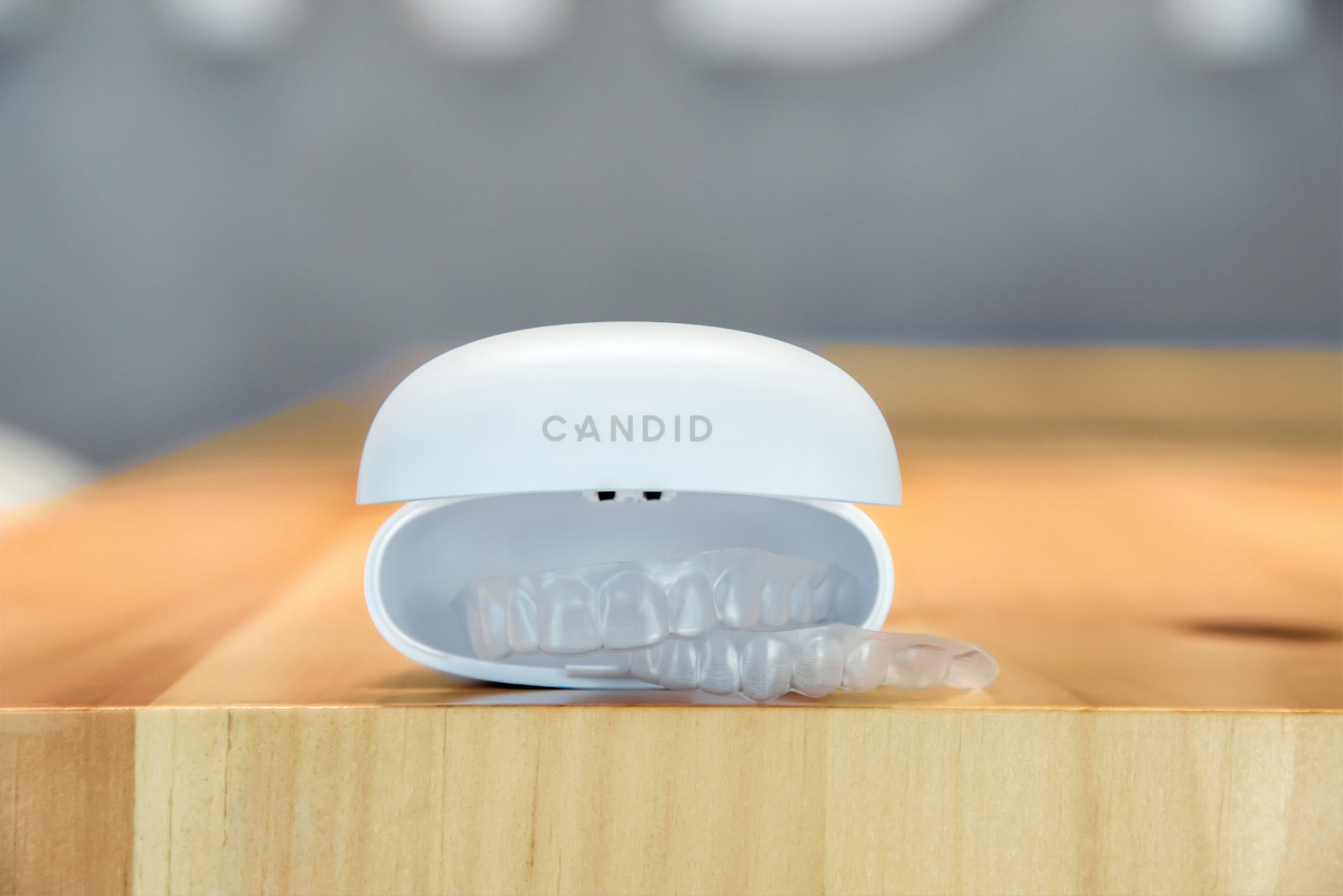
Why you cannot swap one for the other
A retainer is made thin so it holds teeth precisely and is comfortable for long-term wear. That thin material is not designed to take the repeated force of grinding, so using a retainer as a night guard can wear it out quickly or fail to protect the teeth. A night guard, on the other hand, is built to cushion, not to hold teeth in an exact position, so it will not reliably prevent orthodontic relapse. Using the wrong one can mean a cracked appliance or teeth that drift, which is why matching the appliance to the problem matters.
When you need both
Plenty of people have both a grinding habit and a history of braces. In that case you may need a retainer to keep your teeth straight and a night guard to protect them from grinding. Your dentist can sometimes design a single appliance that does both, or recommend wearing a retainer plus a separate guard. If you grind and notice your teeth starting to shift, mention both concerns so the plan covers them. Our article on whether teeth shift without a retainer explains why the holding job never really ends.
Signs you might need one or the other
You may benefit from a night guard if you wake with jaw tightness or headaches, notice flattened or chipped teeth, or a partner hears grinding at night. Our guides to bruxism and clenching versus grinding cover the signs. You need a retainer if you have finished orthodontic treatment, since teeth naturally drift without one. If both apply, you may need both.
Caring for your appliance
Whichever you wear, keep it clean and it will last longer. Rinse it after each use, brush it gently with a soft brush and mild soap rather than hot water, which can warp it, and store it dry in its case. Bring it to check-ups so your dentist can inspect the fit and your bite. Our step-by-step guide to cleaning a retainer or night guard has the full routine.
Frequently asked questions
Can I use my retainer as a night guard?
It is not recommended. A retainer is too thin to protect against grinding and can wear out or crack. A night guard is made to absorb that force.
Can a night guard keep my teeth straight?
Not reliably. A night guard cushions the bite but is not designed to hold teeth in an exact position, so it will not prevent orthodontic relapse like a retainer does.
Do I need both a night guard and a retainer?
Some people do, if they both grind and have had braces. Your dentist may provide both or design one appliance to do both jobs.
How long do these appliances last?
It varies with the material and how heavily you grind, but a well-cared-for guard or retainer can last several years. Bring it to check-ups so wear can be spotted early.
Which is more expensive?
It depends on the type and material rather than the category. A custom-made appliance of either kind costs more than a basic one but fits better and lasts longer.
The bottom line
Night guards and retainers solve different problems, protecting against grinding versus holding teeth in place, so the right choice depends on what your teeth need. If you are unsure, or think you need both, a quick assessment settles it. See current offers on our offers page. This article is general information and not a substitute for advice from your dentist.

