

When there is not enough bone under the upper back teeth for a standard implant, the two main options are a sinus lift with a longer implant or a short dental implant that avoids the graft, and studies have reported similar survival for both. Choosing between short dental implants vs sinus lift surgery comes down to how much bone you have, how much surgery you are comfortable with, and how quickly you want to be chewing again. This guide explains why the upper back jaw is tricky, how each approach works, and what the research says.
Key Takeaways
- After upper back teeth are lost, the sinus tends to expand downward and the ridge shrinks, leaving less bone height for an implant.
- A sinus lift adds bone under the sinus floor so a longer implant can fit, but usually adds around 4 to 9 months of healing.
- Short implants (commonly 6 to 8 mm or less) can often avoid the graft altogether.
- One meta-analysis reported 96.6% survival for short implants vs 95.5% for longer implants in grafted sinuses at 36 months, with no significant difference.
- Short implants typically mean less surgery, shorter treatment and lower cost, with somewhat more prosthetic issues such as screw loosening.
- A 3D CBCT scan measures your bone height and guides the choice.
Why the Upper Back Jaw Is a Challenge
The roots of the upper molars and premolars sit just below the maxillary sinus, an air-filled space inside the cheekbone. While the teeth are present, chewing forces help keep the surrounding bone healthy. Once a tooth is lost, two things tend to happen at the same time. The ridge of bone that held the tooth shrinks from below, and the sinus gradually expands downward into the space the roots used to occupy.
The result is often only a few millimetres of bone between the gum and the sinus floor. The bone in this area is also naturally softer than in the lower jaw. A standard length implant may simply not fit without poking into the sinus, which is why this region often needs extra planning.
One simple rule: the less bone height you have, the more likely a graft is needed, and the more bone you have, the more likely a short implant can be considered on its own.
Option 1: Sinus Lift With a Standard Implant
A sinus lift (also called a sinus augmentation) gently raises the thin membrane lining the sinus floor and places bone graft material underneath it. Once that graft matures into firm bone, there is enough height for a longer implant. Our guide to bone grafts and sinus lifts covers the graft materials in more detail.
Lateral window approach
For larger lifts, the surgeon creates a small window in the side wall of the sinus through the gum above the tooth. The membrane is lifted and the graft packed in. This approach can gain a lot of height but is the more involved of the two.
Crestal or osteotome approach
For smaller lifts, the sinus floor is gently tapped upward from below through the same hole that will hold the implant. It is less invasive and the implant can sometimes be placed at the same visit, but it is only suitable when a modest amount of extra height is needed.
Either way, a sinus lift usually adds around 4 to 9 months of healing before the final tooth can be fitted, sometimes with the implant placed at the same time and sometimes in a second surgery. Possible complications include a tear in the sinus membrane, swelling, bruising, sinus congestion and, less commonly, infection of the graft.

Option 2: Short Dental Implants
Short implants are commonly defined as 6 to 8 mm long or less, compared with the 10 mm or more of a standard implant. Instead of building up bone to fit a longer implant, the implant is sized to fit the bone you already have. Improvements in implant surface design and thread shape have helped shorter implants achieve stable osseointegration, the process by which bone bonds to the implant surface.
Because no graft is needed, short implants generally mean one surgery, less swelling and a shorter overall treatment time. They are not suitable for everyone. There still needs to be a minimum amount of good quality bone, and the dentist will consider your bite forces, the size of the crown that will sit on top, and whether you grind your teeth.
What the Research Says
Several systematic reviews have compared short implants with longer implants placed in grafted sinuses. One meta-analysis reported cumulative survival of 96.6% for short implants vs 95.5% for longer implants in grafted sinuses at 36 months, with no significant difference between them.
The same body of research reported that short implants had:
- Fewer biological complications, such as sinus membrane tears and graft infections.
- Less surgery and a shorter treatment time.
- Lower overall cost, mainly because the graft is avoided.
- Somewhat more prosthetic complications, such as screw loosening of the crown.
- Similar or slightly lower marginal bone loss around the implant over the follow-up period.
These studies mostly report short to medium term follow-up, and results depend on patient selection and technique. In my experience, the deciding factor for most patients is how much bone is present on the scan, followed by how they feel about extra surgery and a longer wait.
| Factor | Short implants | Sinus lift with standard implants |
|---|---|---|
| Bone needed | Enough height for a 6 to 8 mm implant or less | Can work with very little bone, as height is added |
| Surgery | Usually one procedure, no graft | Graft plus implant, sometimes two procedures |
| Healing time | Typically a few months for the implant to integrate | Usually an extra 4 to 9 months for the graft |
| Typical complications | More prosthetic issues such as screw loosening | More biological issues such as membrane tears, swelling, graft infection |
| Cost impact | Generally lower, no graft fee | Sinus lift about $1,500 to $4,500 per side on top of the implant* |
| Who it may suit | Moderate bone loss, people wanting less surgery or a shorter wait | Severe bone loss, or where a longer implant is preferred for bite forces |
*General Australian market range only. Fees vary between practices and cases.
How the Decision Is Made
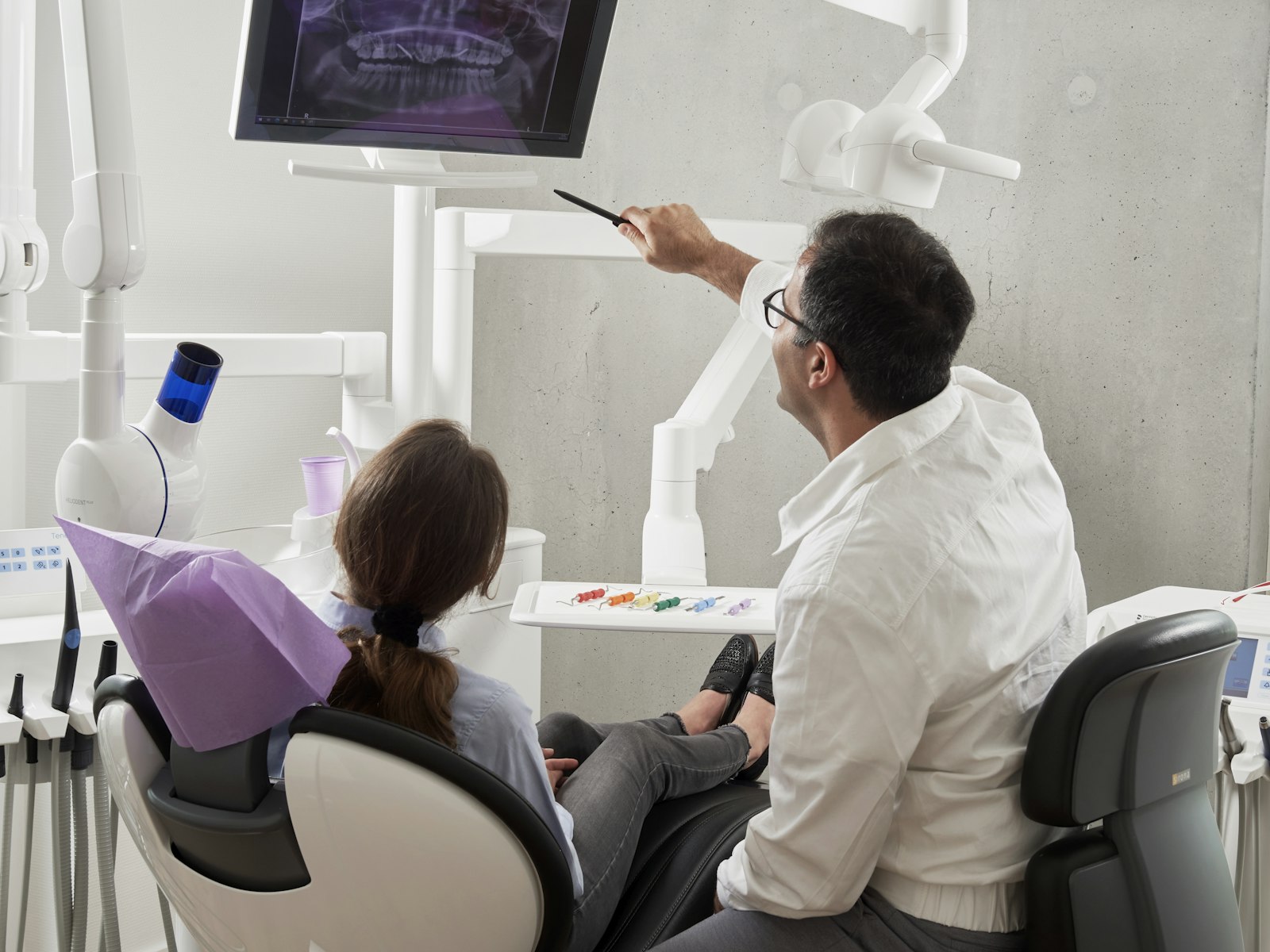
A 3D CBCT scan is the key to planning. It shows the exact height and width of bone beneath the sinus, the shape of the sinus floor and the bone density. From that scan, the dentist can measure whether a short implant will fit, whether a small crestal lift will do, or whether a larger lateral window lift is needed. The scan can also be used for guided implant surgery, where a printed guide helps place the implant in the planned position.
Other factors include your general health, smoking, gum health, sinus history and how many teeth are being replaced. Some health conditions make any implant surgery less predictable, so a full medical history is part of the assessment.
Where bone is extremely limited across the upper jaw, some patients may be assessed for zygomatic implants, which anchor into the cheekbone instead. These are a specialised option for particular cases.
Cost Considerations
The biggest cost difference is the graft. As a general Australian market guide, a sinus lift can add about $1,500 to $4,500 per side on top of the cost of the implant and crown. This varies with the approach, the amount of graft material and whether the implant is placed at the same time. Short implants avoid that fee, and the shorter treatment may also mean fewer appointments. For a full breakdown of implant fees, see our dental implant cost guide.
Common Questions
Are short dental implants as good as long ones?
Studies have reported similar survival for short implants and longer implants in grafted sinuses over the medium term. Short implants may have somewhat more prosthetic issues such as screw loosening, so careful bite planning matters.
How long does a sinus lift take to heal?
A sinus lift usually adds around 4 to 9 months of healing before the final tooth is fitted. The exact time depends on the amount of graft and whether the implant was placed at the same visit.
Is a sinus lift painful?
A sinus lift is done under local anaesthetic, so the procedure itself should not be painful. Swelling, bruising and some sinus pressure are common for a few days afterwards and can usually be managed with simple pain relief.
How short can a dental implant be?
Short implants are commonly 6 to 8 mm or less, and some systems offer shorter lengths. Whether one suits you depends on your bone height, bone quality and bite forces.
Can I avoid a sinus lift?
Many people with moderate bone loss may be able to avoid a sinus lift by using a short implant. If bone is very thin, a lift or another approach may still be needed, which a 3D scan helps confirm.
Explore Your Upper Jaw Implant Options
If you have lost an upper back tooth and have been told you may need a sinus lift, it can help to understand every option before deciding. The team at Lumi Dental in Melrose Park can review your scans, explain whether a short implant or a sinus lift may suit, and give you a written quote. Learn more about dental implants in Melrose Park, book a complimentary implant consult through our contact page, and check current deals for any offers.
This article is general information only and is not a substitute for personalised advice from a registered dental practitioner.


