



Mouthwash looks like a sensible add-on to a child's routine, but for young children it is usually unnecessary and can even cause harm if swallowed. The clear guideline to remember is this: children under six should generally not use mouthwash, because they cannot reliably swish and spit without swallowing some of it. For most children, brushing twice a day with the right amount of fluoride toothpaste does the important work, and mouthwash is an optional extra only later on.
Key takeaways
- Children under six should generally not use mouthwash, as they may swallow it.
- Swallowing fluoride mouthwash can contribute to fluorosis while teeth are still developing.
- Brushing twice a day with age-appropriate fluoride toothpaste matters far more than rinsing.
- From around age six, a fluoride mouth rinse can help some children, with supervision.
- Always check the label, choose an age-appropriate product, and ask your dentist if unsure.
Why under-sixes should skip it
The reasoning is simple and practical. Rinsing and spitting is a learned skill, and children under six often cannot do it reliably, so they swallow a portion of whatever is in their mouth. With a fluoride mouthwash, repeatedly swallowing extra fluoride while the adult teeth are still forming can contribute to dental fluorosis, which shows as faint white marks on the developing teeth. Because the benefit for young children is small and the routine adds a swallowing risk, the simplest and safest approach is to leave mouthwash out at this age.
What young children need instead
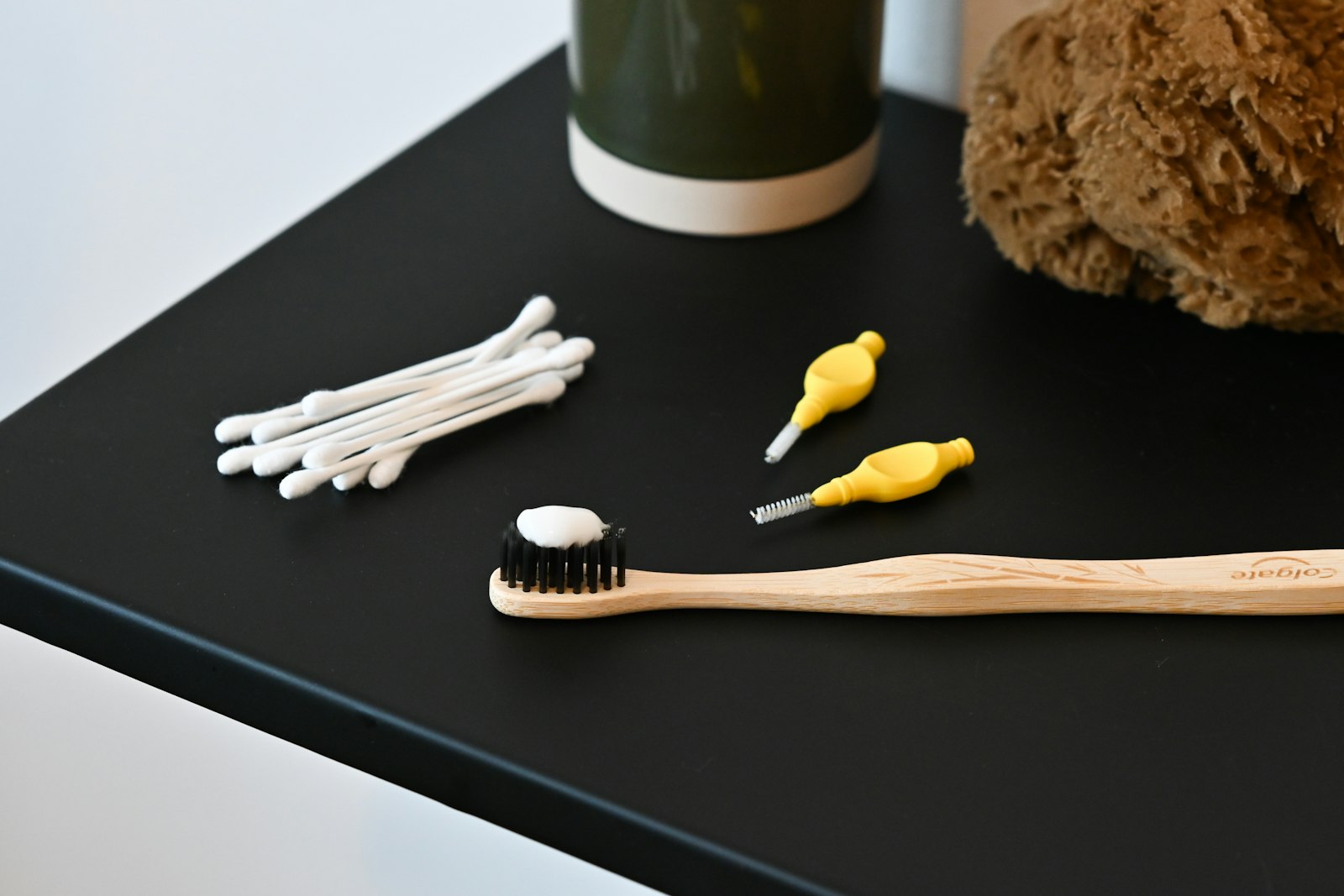
For toddlers and young children, brushing is what counts. Australian guidance points to a smear the size of a grain of rice of low-fluoride toothpaste for the youngest children, moving to a pea-sized amount of standard fluoride toothpaste from around age six, with spitting out rather than rinsing afterwards so the fluoride stays working. Our guide to the right amount of fluoride toothpaste for kids sets this out by age. For children at higher risk of decay, a dentist can apply a professional fluoride varnish, which our guide to fluoride varnish explains, a far more controlled way to deliver fluoride than a rinse a small child might swallow.
When mouthwash can help older children
From around age six, once a child can reliably swish and spit without swallowing, a fluoride mouth rinse can be a useful extra for some. It tends to help most in specific situations: children who are prone to decay, those wearing braces where cleaning is harder, or those a dentist has identified as higher risk. Even then, it is an addition to brushing and cleaning between the teeth, not a replacement. Supervision still matters between roughly ages six and twelve, both to prevent swallowing and to make sure the child is using it correctly.
Choosing and using it sensibly
If your dentist suggests a rinse for your older child, a few points help. Choose a product designed for children and check the label for age suitability, and avoid mouthwashes containing alcohol. Use it at a different time from brushing, such as after lunch, so it does not wash away the concentrated fluoride left by toothpaste. Measure the dose rather than letting a child free-pour, and supervise the swish and spit. Most importantly, treat it as a helper, not the main event, since nothing replaces good brushing. A first dental visit is a great time to ask what suits your child, as our first dental visit guide describes.
Frequently asked questions
At what age can my child start using mouthwash?
Generally from around age six, once they can reliably swish and spit without swallowing. Younger children should skip it and focus on brushing.
Is it dangerous if my young child swallows mouthwash?
Swallowing a small amount once is unlikely to be harmful, but regularly swallowing fluoride mouthwash while teeth are developing can contribute to fluorosis, which is why under-sixes should avoid it.
Does my child need mouthwash at all?
Most children do not. Brushing twice daily with the right amount of fluoride toothpaste and cleaning between the teeth covers the essentials. Mouthwash is an optional extra for some older children.
Which mouthwash is best for kids?
An alcohol-free product designed for children, used as directed and ideally on a dentist's advice. Always check the label for the recommended age.
Should my child rinse with water after brushing?
It is better to spit out excess toothpaste and not rinse heavily with water, so the fluoride stays on the teeth longer. The same logic applies to using a rinse at a separate time.
The takeaway
For most children, mouthwash is not necessary, and under-sixes should generally skip it because of the risk of swallowing. Brushing twice a day with the correct amount of fluoride toothpaste is what protects young teeth, with a fluoride rinse becoming a useful extra only for some older children who can swish and spit. If you are unsure what suits your child, the team at Lumi Dental can advise at a check-up. See our current deals page to book a visit for the family.

