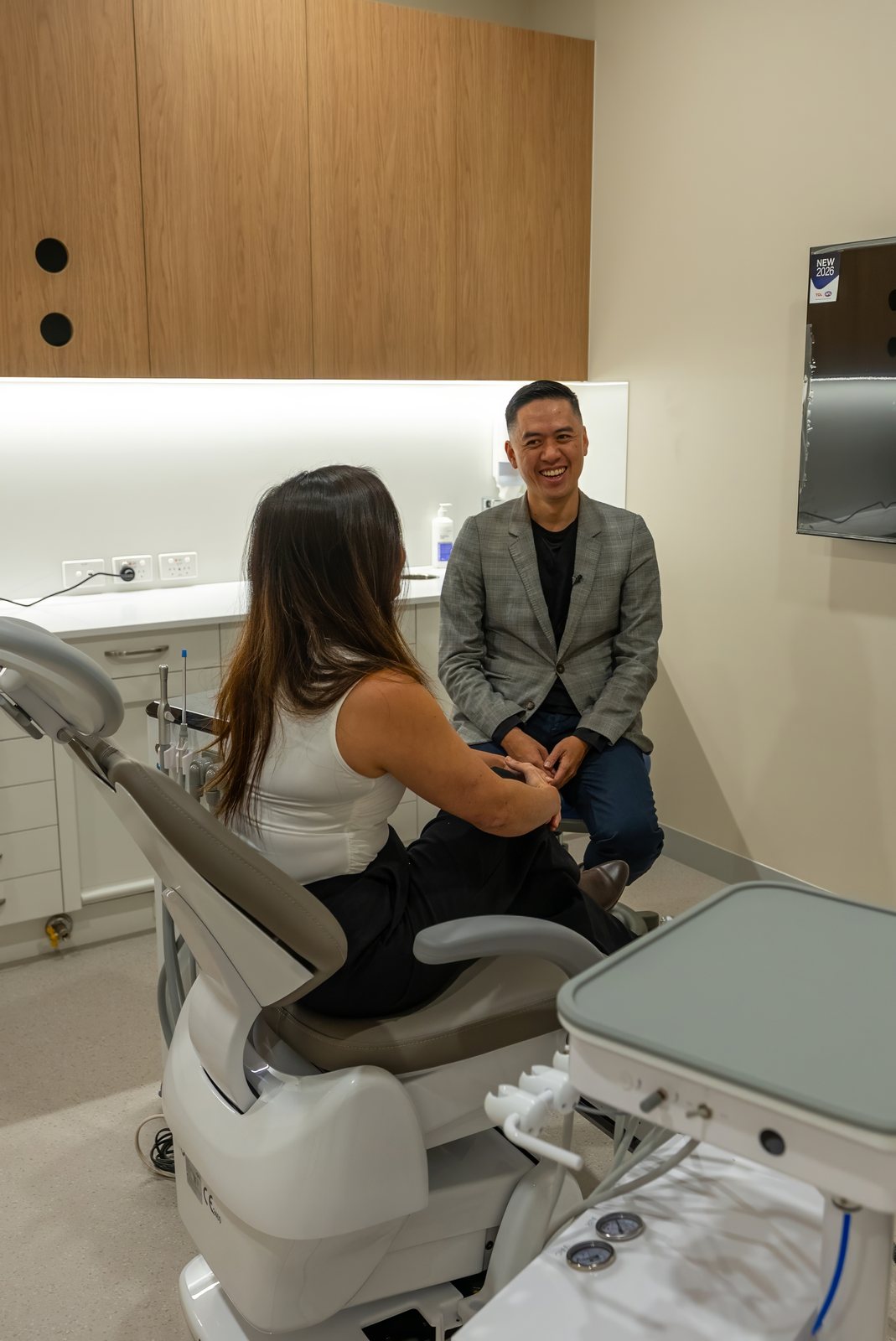

For most people the answer is no: dentures should come out for at least some hours in every twenty-four, and overnight is usually the easiest time to do it. Sleeping with dentures in is one of the questions I am asked most often at a denture review, and the answer has more nuance than a flat "take them out every night". Both healthdirect and the Better Health Channel advise removing dentures before bed so the mouth can rest, and the Better Health Channel adds that this helps to prevent fungal infections. The exceptions are worth knowing too.
Written by Dr James Tran, BDent (University of Sydney), MICOI, GradDip (Oral Implants), general dentist at Lumi Dental in Melrose Park.
The short version
- The gums and palate need a daily rest from pressure, and saliva flow drops during sleep, so the usual advice is to take dentures out overnight.
- Round-the-clock wear is linked with denture stomatitis, sore spots and faster shrinkage of the bone under the denture.
- Some research has linked night-time denture wearing in older adults with a higher risk of pneumonia.
- Exceptions exist: immediate dentures in the first night after extractions, and people who cannot be without teeth overnight, who can rest the mouth during the day instead.
- Partial dentures and implant overdentures follow the same rule, with the extra job of cleaning clasps and attachments. Our guide to denture care and relines covers the daily routine.
- Dentures that are out should be kept moist, and cleaned with a denture brush and a non-abrasive cleaner, not toothpaste.
Why dentists usually say take them out
The tissue under a denture was never designed to carry a plastic plate all day and all night. A full upper covers the whole palate, and a lower sits on a narrow ridge with little to spread the load. While you sleep the pressure is steady and saliva flow falls. Saliva washes away food, buffers acid and keeps yeast in check, so a denture worn through the night sits on gum that is warm, damp and poorly rinsed.
That is the setting for denture stomatitis, a yeast-related inflammation of the gum under the plate. It is often painless and shows as a red patch in the exact shape of the denture, and continuous wear is one of the strongest links with it. We have a separate post on denture stomatitis and its treatment; the first step is nearly always to take the denture out at night.
Sore spots are the second problem, because a pressure point never gets a chance to settle. The third is slower: bone under a denture shrinks over the years whatever you do, but tissue loaded without rest may lose bone faster. Finally, in older adults, some research has linked night-time denture wearing with a higher risk of pneumonia, most likely because a plate worn all night carries a heavier load of bacteria and yeast. The NHS adds that a denture worn while sleeping can be a choking risk.
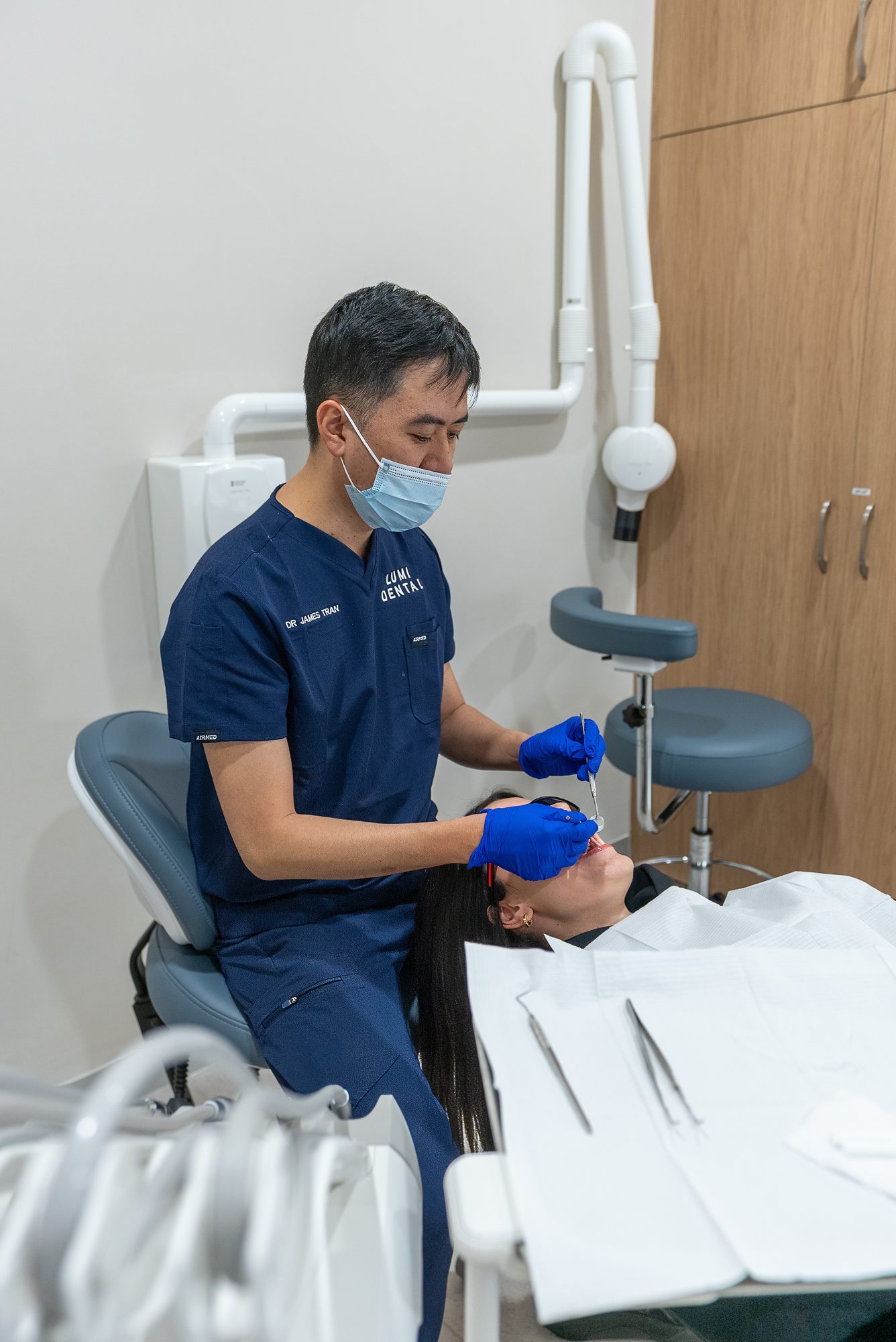
Out for at least six to eight hours in every twenty-four, usually overnight
If you want one rule, this is it. The mouth needs a daily block of time without the denture, long enough for the gum to recover its blood supply and for saliva to do its work. Six to eight hours is the usual target, and the night is the obvious place for it because you are not eating or talking. If your night cannot be that block, put the hours elsewhere in the day and keep them consistent.
In my experience, patients who manage this for a few weeks notice the difference themselves: the gum looks pinker and the denture feels steadier in the morning.
When the rule bends
Immediate dentures in the first days
An immediate denture is fitted on the day the teeth are removed. It acts partly as a dressing over the sockets, and early swelling can make a denture that comes out hard to put back, so it is common to be asked to leave it in for the first night and have it cleaned at a review instead. That instruction ends once the sockets settle. Our guide to immediate dentures covers the first weeks.
People who cannot be seen without teeth
This is the most common reason patients give me for sleeping in their dentures, and it deserves a serious answer. Shift workers who share a room, carers up through the night, and people with a new partner often do not want to be seen without teeth. The compromise is to take the denture out for a few hours during the day when you are alone. A second option is an implant-retained denture, which still comes out at night but clips firmly back and does not slip, so people feel less anxious about it. Read more about implant-retained overdentures.
Sleep apnoea and CPAP
Some people with sleep apnoea find a full denture supports the lips and helps a CPAP mask seal, while others sleep worse with a denture in. The evidence is limited and your sleep physician's advice comes first. If you do wear a denture at night, be stricter about the daytime rest period and daily cleaning.
Situation by situation
| Situation | Wear overnight? | What to do instead |
|---|---|---|
| Well-fitting full dentures, no sore spots | No | Remove, clean and store moist every night |
| Immediate denture, first one to two nights after extractions | Often yes, on your dentist's instruction | Have it cleaned at the review, then switch to nightly removal |
| Night-shift worker or carer who is seen overnight | Sometimes | Rest the mouth for a six to eight hour block during the day |
| Red, sore or burning gum under the plate | No | Leave it out as much as possible and have the gum examined |
| Partial denture with clasps on natural teeth | No | Remove nightly and brush the clasped teeth carefully |
| Implant overdenture on clips or a bar | No | Remove nightly and clean the attachments with a soft brush |
| CPAP user who needs lip support for the mask | Ask your sleep physician and dentist | Daytime rest period and stricter cleaning |
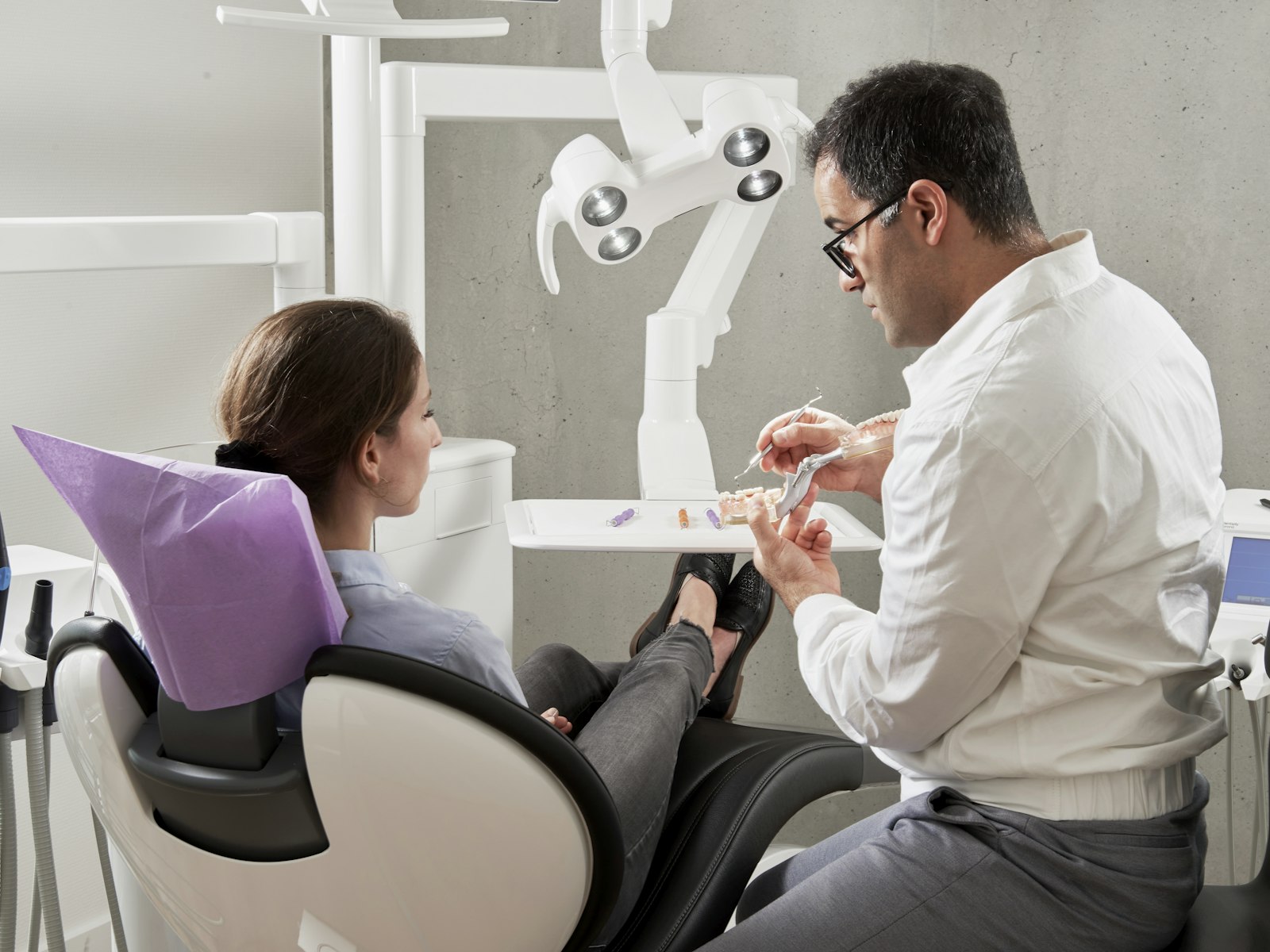
A simple overnight routine
- Take the denture out over a basin half filled with water or a folded towel, so it will not break if it slips.
- Brush every surface with a soft denture brush and mild soap or a denture solution. Toothpaste scratches acrylic, and scratches trap stain and yeast.
- Soak in cold water or a denture solution. Never use hot water, which can warp the acrylic.
- Brush your gums, palate and tongue with a soft toothbrush, and any natural teeth with fluoride toothpaste. A gentle massage of the ridges helps circulation.
- Keep the denture moist overnight. Healthdirect suggests asking your dentist whether a dry container or a water-filled one suits your denture.
- Rinse under cold water before putting it back in the morning.
If a sore spot appears, do not grind the denture yourself. Leave it out as much as you can and have it adjusted; we cover denture sore spots separately.
Partial dentures and implant overdentures
Partials with clasps on natural teeth
A partial denture rests on gum and hooks onto natural teeth with clasps. Those clasped teeth are the ones at risk if the partial stays in overnight, because the clasp and the acrylic hold plaque against the tooth where saliva cannot reach. The NHS notes that trapped food under a denture raises the risk of gum infections and decay. Remove the partial every night, brush the clasps, and clean the clasped teeth along the gum line.
Implant overdentures
An implant-retained overdenture clips onto two or more implants through small attachments, either individual clips or a bar. It is still a removable denture and comes out at night for the same reasons as any other. You also need to clean the attachments in the mouth with a soft brush, and check that the rubber inserts in the denture are clean and not torn; worn inserts are a quick chairside swap. The gum under an overdenture still needs its rest.

How we approach this at Lumi Dental
The team at Lumi Dental sees denture patients as part of general dentistry in Melrose Park. At a denture review the dentist examines the gum under the plate for redness, ulcers and early stomatitis, checks the fit, and looks at any natural teeth that carry clasps. We ask plainly how many hours the denture is in each day, because the answer changes the advice. If night-time removal is not realistic for you, we help you plan a daytime rest period instead. For patients tired of a loose lower denture, we can talk through implant options after a 3D X-ray.
Questions patients ask
Can you sleep with dentures in just for one night?
Yes, an occasional night will not do lasting harm to a healthy mouth. The problems come from the habit, not the exception. Take them out for a few hours the next day and clean them well.
Should partial dentures be removed at night?
Yes, for the same reasons as full dentures, plus one more. The natural teeth that hold the clasps collect plaque under the denture and are more likely to decay if the partial stays in.
What happens if you never take your dentures out?
Many people who wear dentures continuously develop some degree of denture stomatitis, a form of the yeast overgrowth described in our guide to oral thrush in adults. Sore spots, bad breath and a denture that loosens faster are common too. The gum usually recovers once the denture starts coming out at night.
Can I sleep with my dentures in if I use a CPAP machine?
Some CPAP users find a denture helps the mask seal, and the evidence either way is limited. Ask your sleep physician and your dentist together. If you do wear it at night, rest the mouth during the day.
Should dentures be kept in water overnight?
Dentures should not dry out, so most are stored in cold water or a denture solution. Healthdirect suggests asking your dentist or prosthetist which storage suits your particular denture.
Talk to the team at Lumi Dental about denture comfort and implant options
If your dentures are sore or loose, or you have been sleeping in them because taking them out feels impossible, the team at Lumi Dental in Melrose Park can examine the gum, adjust the fit and plan a routine that fits your life. Book a denture review, or read about dental implants at Lumi Dental if you are weighing up an implant-retained option. Patients visit from Ryde, Parramatta, Ermington, Rydalmere and nearby suburbs.
Sources
About the author
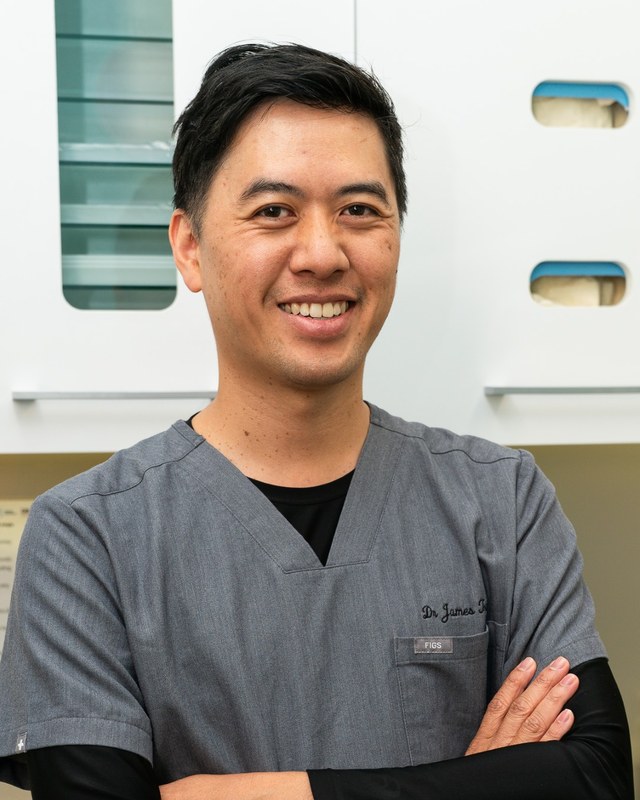
Dr James Tran is a general dentist at Lumi Dental in Melrose Park. He holds a BDent from the University of Sydney and a Graduate Diploma in Oral Implants, and is a Member of the International Congress of Oral Implantologists (MICOI).
This article is general information only and is not a substitute for an examination and individual advice from a registered dental practitioner. Suitability for any treatment varies from person to person.