


Yes, you can get just one veneer, but a single upper front tooth is widely regarded as one of the hardest restorations in dentistry to match, because its twin sits right beside it. If one front tooth is darker, chipped or a different shape from the rest, a single veneer on one front tooth can be a good option, as long as the planning focuses on matching rather than simply covering the tooth. In this guide I explain how matching works, the alternatives worth considering, and general cost ranges in Sydney.
Key Takeaways
- A single veneer is possible, and it is common when only one front tooth is discoloured, chipped or misshapen.
- Matching involves shade, translucency at the biting edge, surface texture and shape, not colour alone.
- Porcelain does not whiten, so any whitening is usually done first and the shade allowed to settle before matching.
- A custom shade appointment with the ceramist or detailed photos is common, and a second try-in may be needed.
- Alternatives include composite bonding, internal bleaching, a crown, or veneering two teeth for symmetry. Our guide to composite veneers covers the bonded option.
- General Sydney market ranges are about $1,500 to $2,800 per porcelain veneer and about $400 to $1,000 per composite veneer, and they vary.
Why One Front Tooth Is So Hard to Match
When several teeth are veneered together, the ceramist can design a new, consistent smile. With one veneer, the new tooth has to blend in with natural teeth that cannot be changed. The upper central incisors sit side by side in the middle of the smile, so even a small difference is easy to see.
Natural teeth are not one flat colour. They are typically warmer near the gum, lighter through the middle, and more translucent at the biting edge, where light passes through. Many also have fine surface ridges, small white flecks or subtle lines. A veneer that matches the shade tab but ignores these details can look flat or too opaque next to the natural tooth.
The underlying tooth matters too. If the tooth being veneered is dark, for example after trauma or a root canal, the ceramist has to mask that colour without making the veneer look chalky. That can mean a slightly thicker veneer or a different material. Different porcelains handle light differently, which is part of the material choice.
One simple rule
Match the veneer to your natural teeth, not the other way around. If you want your teeth whiter, whiten first, wait for the shade to settle, then match the veneer to the new colour.
How Matching a Single Veneer Works
A careful single veneer usually involves more steps than a single filling or a set of veneers. In my experience, the extra time spent at the start tends to make the end result more predictable.
- Assessment and planning: the dentist checks the health of the tooth and gum, the bite, and whether the tooth has been heavily restored or root filled.
- Whitening first, if wanted: because porcelain does not change colour, any whitening is done before matching, and the shade is typically left to settle for a period before it is recorded.
- Shade taking: the shade is recorded in natural light with shade guides and detailed photographs, often including a photo of the prepared tooth so the ceramist can see the colour underneath.
- Custom shade appointment: in some cases you may visit the ceramist so they can see your teeth in person, which can help with translucency and surface texture.
- Preview: a smile mock-up can be used to check shape and length before the final veneer is made.
- Try-in and adjustment: the veneer is tried in with a trial paste before it is bonded. If it is not quite right, a second try-in or a remake may be needed.
Each of these steps is there to reduce the chance of a visible difference between the two front teeth once the veneer is bonded.
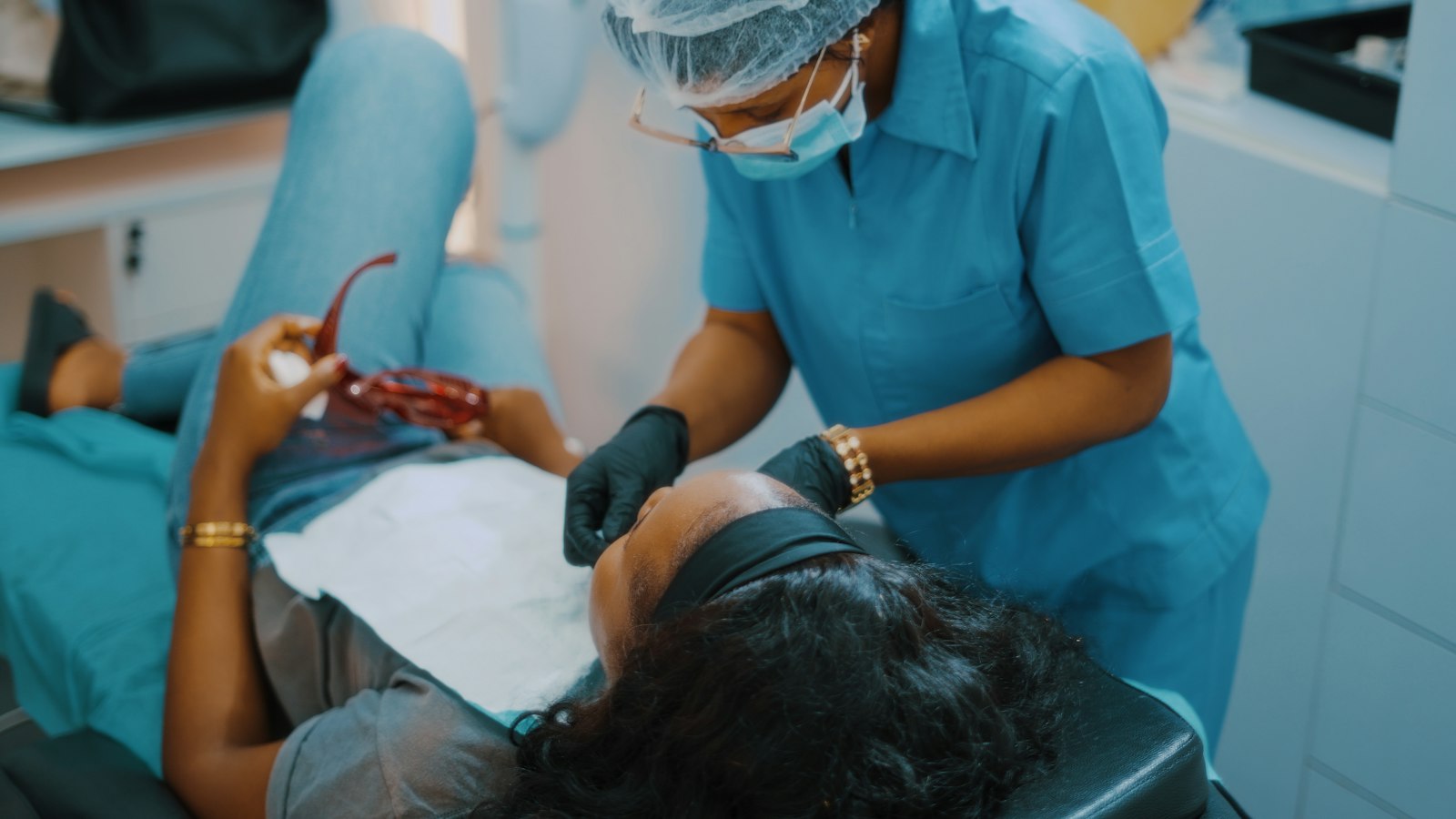
Options for One Discoloured or Misshapen Front Tooth
A porcelain veneer is not the only answer. The right option depends on why the tooth looks different, how much healthy tooth remains, and how much you want to change. The table below compares common choices. Costs are general Sydney market ranges only, vary between practices and cases, and are not a quote.
| Option | Best for | Match difficulty | Reversibility | General cost range (varies) |
|---|---|---|---|---|
| Single porcelain veneer | Chips, shape changes or staining on a healthy tooth | High, needs careful shade work and possible second try-in | Not reversible, as a thin layer of enamel is usually removed | About $1,500 to $2,800 per tooth |
| Composite veneer or bonding | Small chips, gaps or mild colour differences | Moderate, can be adjusted chairside | Often minimal or no tooth removal | About $400 to $1,000 per tooth |
| Internal bleaching | A tooth darkened after trauma or root canal treatment | Lower, it lightens the natural tooth itself | Conservative, no outer tooth removed | Varies, typically less than a veneer |
| Crown | A heavily filled, weakened or root filled tooth | High, similar challenges to a veneer | Not reversible, more tooth is reduced | Varies with material |
| Two veneers (both centrals) | When symmetry matters more than preserving the twin tooth | Lower, the two new teeth are made to match each other | Not reversible on both teeth | About double a single veneer |
When a Single Veneer May Not Be the First Choice
A tooth that has gone dark
If one front tooth has turned grey or brown after a knock or a root canal, the colour usually comes from inside the tooth. Internal bleaching places whitening material inside the tooth to lighten it from within. It can be a conservative first step, and in some cases it may be all that is needed. Even when a veneer is still planned, lightening the tooth first can make the veneer easier to match. Our guide to internal bleaching for a dark tooth explains the process.
Small chips and minor shape changes
Composite bonding can repair small chips and reshape edges without removing much tooth, if any. Composite is built up and shaped directly in the mouth, so the dentist can adjust colour and shape at the same visit. It may stain or chip over time and typically needs more maintenance than porcelain.
A heavily restored tooth
If the tooth already has large fillings or has been root filled and weakened, a crown may be more suitable than a veneer because it covers and protects the whole tooth.
When two teeth make more sense
Sometimes the neighbouring central incisor also has small flaws. Veneering both centrals can make symmetry easier because the ceramist controls both teeth. The trade-off is that a second healthy tooth is treated.
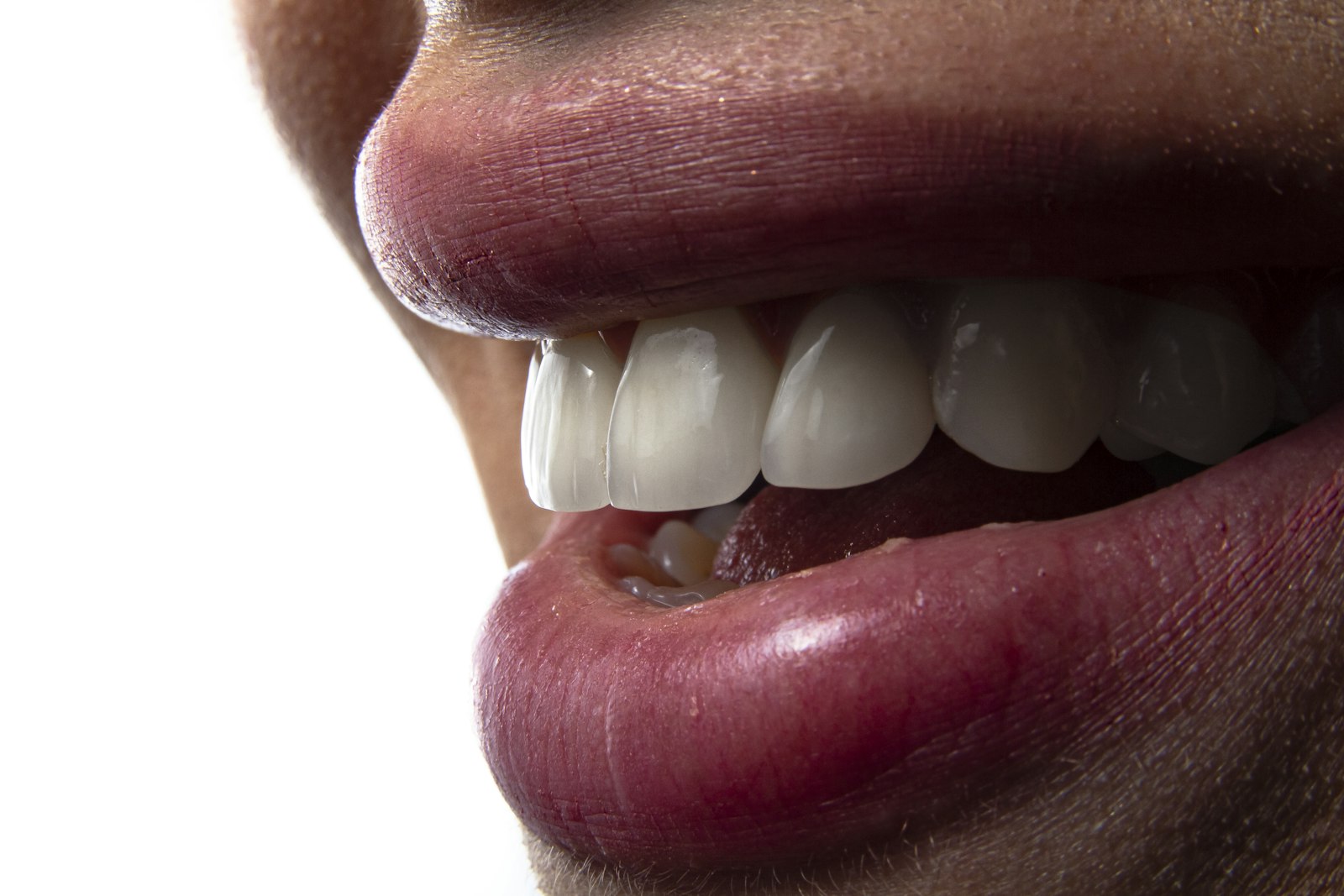
Living With a Single Veneer
A well-made porcelain veneer is stain resistant, but your natural teeth will still change colour slowly over time. If you whiten your natural teeth later, the veneer will not change with them, so it is worth discussing long-term plans before treatment.
Day-to-day care is the same as for natural teeth: brush twice daily, clean between the teeth and keep regular check-ups. If you grind your teeth, a night guard may be recommended to protect the veneer. Avoid biting very hard objects with your front teeth.
Common Questions
Can you get just one veneer on a front tooth?
Yes. A single veneer is a common treatment for one discoloured, chipped or misshapen front tooth. It needs careful shade matching because the neighbouring tooth is right beside it.
Will a single veneer look obvious?
It may not, if shade, translucency, texture and shape are matched well. A shade appointment, detailed photos and a try-in all help, and some cases need a second try-in before the veneer is bonded.
Should I whiten my teeth before getting one veneer?
Usually, yes, if you want whiter teeth. Porcelain does not whiten, so whitening is typically done first and the shade allowed to settle before the veneer is matched.
Is composite or porcelain better for one tooth?
Neither is better in every case. Composite is easier to adjust chairside and usually removes less tooth, while porcelain tends to resist staining and can mimic translucency well. Our porcelain veneers cost guide compares the two in more detail.
How much does one veneer cost in Sydney?
As a general market guide, a single porcelain veneer is about $1,500 to $2,800 and a composite veneer about $400 to $1,000. Fees vary between practices and cases, so ask for a written quote.
Talk to Us About One Front Tooth
If one front tooth is bothering you, the team at Lumi Dental in Melrose Park can look at why it stands out and talk through which option may suit you, whether that is a single veneer, bonding or a more conservative first step. You can book a complimentary cosmetic consultation, read about cosmetic dentistry at Lumi Dental, and see our current deals for any offers. You will receive a written plan and quote before any treatment begins.
This article is general information only and is not a substitute for a personal assessment by a qualified dental practitioner.


