



Composite veneers in Australia typically cost around $250 to $1,200 per tooth, depending on the dentist's skill, the complexity of the case and where the practice is located. They are usually less expensive than porcelain and can often be done in a single visit, but they do not last as long. This guide explains what drives the price, how direct and indirect composite veneers differ, and how they compare with porcelain, using general market ranges rather than any single clinic's fees.
Key takeaways
- Composite veneers commonly cost around $250 to $1,200 per tooth, with metropolitan practices at the higher end.
- Direct veneers are sculpted onto the tooth in one visit; indirect ones are made in a lab and take two or more visits.
- They are cheaper than porcelain but typically last about 5 to 7 years, versus longer for porcelain.
- A key advantage is that chips can often be repaired in the chair rather than replaced.
- The right choice depends on your goals, budget and how many teeth you are treating.
What composite veneers cost
Price is usually quoted per tooth, and it varies widely with the artistry involved and the number of teeth. The table below gives general Australian ranges. A full-arch smile of several composite veneers is a larger investment than a single tooth, but still generally costs less than the porcelain equivalent.
| Option | Typical range (AU) | Visits | Usual lifespan |
|---|---|---|---|
| Direct composite veneer (per tooth) | $250 to $800 | One | About 5 to 7 years |
| Indirect (lab-made) composite veneer (per tooth) | $600 to $1,200 | Two or more | About 7 to 10 years |
| Porcelain veneer (per tooth, for comparison) | Higher again | Two or more | Often 10 to 15 years or more |
Our guides to types of veneers compared and porcelain veneers cost put these side by side.
Direct versus indirect composite
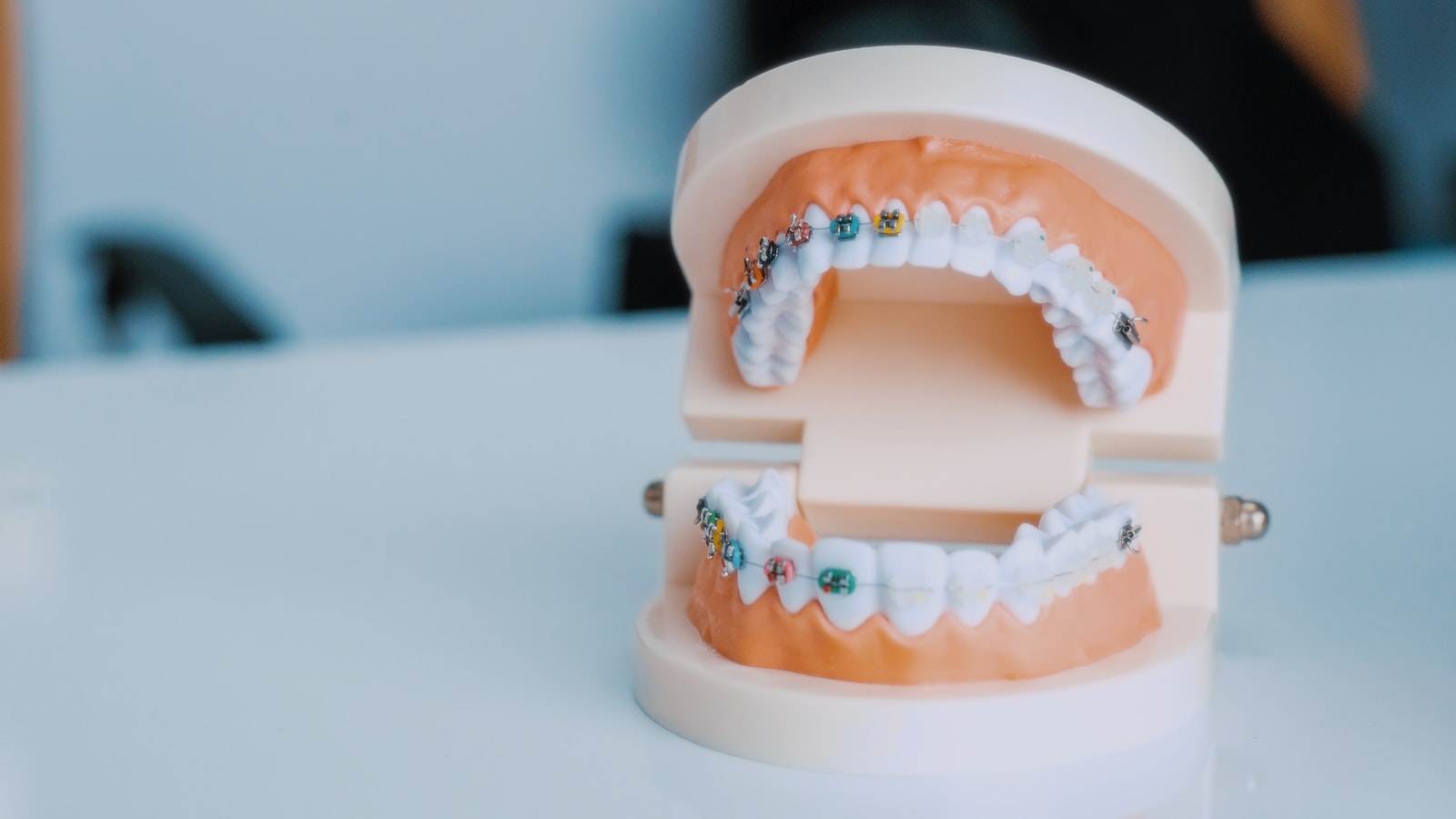
There are two ways to make a composite veneer. Direct veneers are built up freehand by the dentist, layering tooth-coloured resin onto the tooth and shaping it in a single appointment. Indirect veneers are made from a scan or impression in a dental lab, then bonded on at a later visit. Indirect veneers tend to be more wear-resistant and hold their colour a little longer, which is reflected in the higher price and the extra visit. Direct veneers win on convenience and easy repair.
What drives the price
Several things move the fee within those ranges:
- Number of teeth. A single tooth is priced very differently to a full smile.
- Direct or indirect. Lab-made veneers cost more than chairside ones.
- Case complexity. Closing gaps, reshaping worn edges or matching a difficult colour takes more time and artistry.
- The dentist's experience. Cosmetic work is technique-sensitive, and a highly skilled result may carry a higher fee.
- Location. City practices usually charge more than regional ones.
Composite or porcelain?
Composite is the more affordable, more conservative and more easily repaired option, and it can look excellent, but it is more prone to staining and chipping and does not last as long. Porcelain costs more and usually involves removing a little tooth surface, but it is stronger, more stain-resistant and longer-lasting. If you are choosing between them, our comparison of composite bonding versus veneers and our honest look at whether veneers ruin your teeth are worth reading. For small edge repairs, edge bonding may be all you need.
How long they last and how to protect them
Direct composite veneers typically last about 5 to 7 years, and lab-made ones a little longer, before they may need refreshing or replacing. You can extend their life by avoiding habits that chip them, such as biting nails or opening packaging with your teeth, limiting staining drinks like coffee and red wine, and wearing a night guard if you grind. Our guide to how long veneers last covers care in more depth.
Frequently asked questions
How much do composite veneers cost per tooth?
Generally around $250 to $1,200 per tooth in Australia, with direct chairside veneers at the lower end and lab-made ones higher.
Are composite veneers cheaper than porcelain?
Yes. Composite is typically the more affordable option, though it does not last as long as porcelain and is more prone to staining and chipping.
How long do composite veneers last?
Direct composite veneers usually last about 5 to 7 years, and indirect lab-made ones a little longer, with good care.
Can composite veneers be repaired?
Yes, and this is a real advantage. Minor chips can often be patched in the chair rather than replacing the whole veneer.
Do composite veneers stain?
They can, more so than porcelain. Limiting coffee, tea, red wine and smoking, plus good hygiene, helps keep them looking fresh.
The bottom line
Composite veneers are a flexible, more affordable way to improve a smile, with easy repairs as a bonus, though they trade some longevity against porcelain. The right plan depends on your teeth and goals. A complimentary cosmetic consultation is the best way to see what suits you, and you can arrange one via our free cosmetic consult page or see current offers on our offers page. This article is general information and not a substitute for advice from your dentist.

