

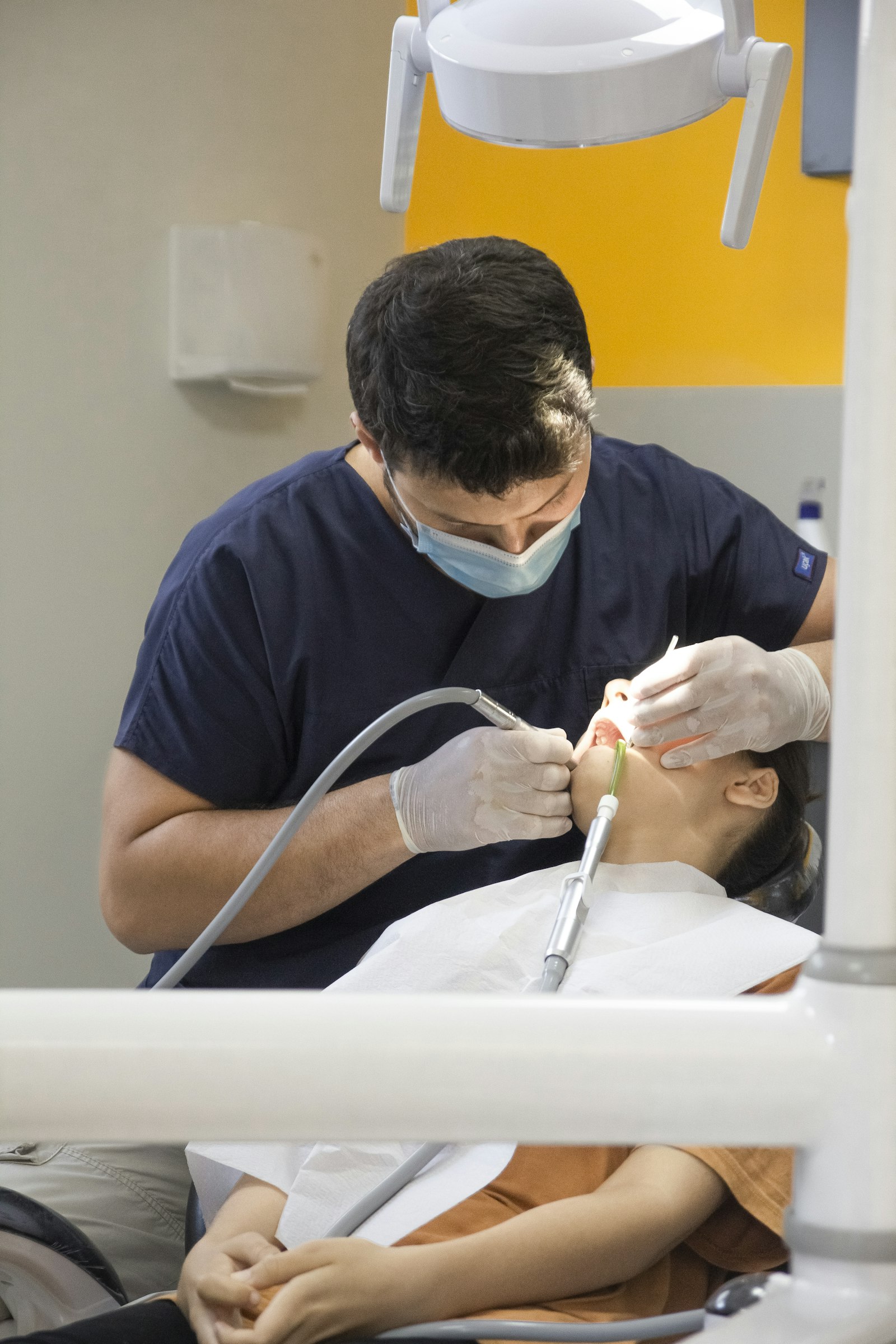

A dental visit can feel more stressful than it needs to for someone who stutters or has another speech disorder, particularly during history-taking, consent discussions and pain-scale questions where a quick verbal answer is expected. Speech Pathology Australia notes that stuttering and other communication differences affect a meaningful proportion of the population at some point in life, and many people who stutter describe medical and dental settings as some of the more pressured environments for verbal communication. A few small adjustments from the dental team can make a real difference to how comfortable that experience feels.
Key takeaways
- Not rushing a patient's answers and allowing extra time for verbal responses is one of the simplest and most effective adjustments a dental team can make.
- Written or pointing-based options for pain scales, consent questions and history-taking can reduce pressure for patients who stutter or have a speech disorder.
- Patience during history-taking helps ensure important medical information is not missed or rushed.
- Numbness from local anaesthetic and mouth props used during treatment can temporarily affect speech, which is normal and expected, and not a sign of a problem.
- This pairs well with broader communication-accessibility planning, similar to considerations for patients with sensory impairment.
Why dental appointments can be particularly pressured for speech
Dental visits involve an unusual amount of verbal communication packed into a short space of time: describing symptoms, answering medical history questions, responding to consent discussions, and communicating discomfort during treatment, often while lying back in a chair with someone standing over you. For a patient who stutters or has another speech disorder, this combination of time pressure, unfamiliar surroundings and the physical position of a dental appointment can increase the effort involved in speaking clearly, even for someone who communicates comfortably in most everyday situations.
It helps for dental teams to understand that fluctuations in fluency are a normal feature of stuttering and are not something the patient can simply switch off with effort, and that rushing, finishing sentences for the patient or reacting visibly to a stutter tends to increase pressure rather than reduce it.
Not rushing answers
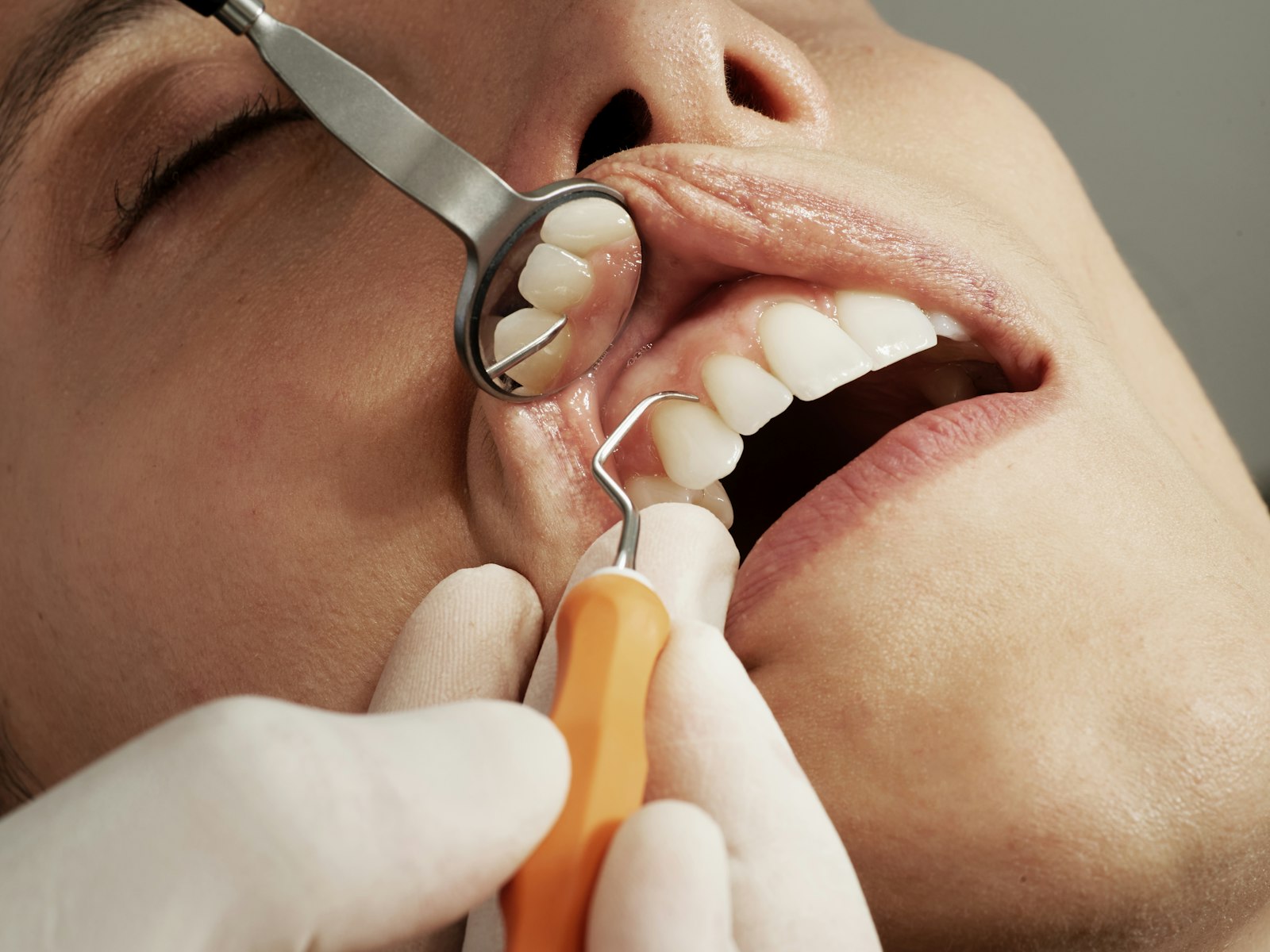
One of the most practical adjustments a dental team can make is simply allowing more time for a patient to answer a question, without filling the silence, guessing the end of a sentence, or moving on to the next question too quickly. This applies during history-taking, when discussing treatment options, and during the procedure itself when checking in about comfort or pain. A calm, unhurried pace communicates that the patient's answer is worth waiting for, which tends to reduce the pressure that can make speech more difficult in the moment.
Reception staff can help set this tone too, for example by allowing extra time on the phone when booking an appointment, or offering the option to complete forms in writing or online ahead of the visit rather than answering questions verbally on arrival.
Written and pointing-based options for pain scales and consent
Standard 0 to 10 pain scales and yes-or-no consent checks are often asked verbally during dental treatment, particularly once a patient's mouth is open or numb. Offering a written pain scale card the patient can point to, or a simple written consent checklist to tick or point at rather than answer aloud, can make these moments considerably easier for a patient who stutters, without slowing treatment down in any meaningful way.
The same approach works well for general history-taking. A patient who prefers to write down key details of their medical history, current medications or main concern, either before the appointment or during it, should feel comfortable doing so rather than being expected to explain everything verbally under time pressure. Many practices already offer detailed intake forms for this reason, and it is worth asking whether a written or online version is available if you would prefer it.
Patience during history-taking
Medical and dental history questions matter for safe treatment planning, which makes it particularly important that a patient does not feel rushed through them. A dental team taking a thorough history from a patient who stutters should expect the conversation to take a little longer than average and plan appointment timing accordingly, rather than compressing important questions into the last few rushed minutes before treatment starts. Confirming understanding by summarising back what was said, rather than asking the patient to repeat themselves, is another small habit that reduces pressure.
Why treatment itself can temporarily affect speech, and why that's normal
It is worth knowing in advance that local anaesthetic, numbness, mouth props and rubber dam used during many dental procedures will affect speech clarity temporarily, regardless of whether someone has a stutter or speech disorder. Numb lips and tongue make certain sounds physically harder to form, and this is expected and temporary, resolving as the anaesthetic wears off over the following hours. For a patient who already stutters, this temporary change is simply layered on top of their usual speech pattern during the appointment itself, and dental staff experienced in this area understand that reduced clarity during the numb period is not a sign of a new or worsening problem.
Agreeing on a simple hand signal before treatment starts, such as raising a hand to pause if something feels uncomfortable, gives a non-verbal way to communicate during the parts of a procedure when speaking is hardest, whether that difficulty comes from numbness, a mouth prop, or a stutter.
What patients can do to make appointments easier
Letting the practice know in advance that you stutter or have a speech disorder, and mentioning what helps and what doesn't, puts the dental team in a much better position to adjust from the very first phone call. Some patients find it helpful to bring a written summary of their main concern and medical history to hand over rather than explain verbally on the day. Others prefer to simply ask the dentist to slow down and wait rather than finishing their sentences. There is no single right approach, and a good dental team will follow your lead on what works best for you.
Frequently asked questions
Will a dentist think something is wrong if numbness affects my speech?
No. Temporary changes in speech clarity from local anaesthetic and numbness are expected and common for every patient, regardless of whether they have a speech disorder, and dental staff are familiar with this.
Can I ask for written pain scales or consent questions instead of answering verbally?
Yes, most practices are happy to offer a written or pointing-based option if it makes communication easier for you. It is worth mentioning this preference when you book or at the start of your appointment.
Should I tell the practice about my stutter before the appointment?
Mentioning it in advance, even briefly, helps the team plan extra time and adjust their approach from the first interaction, rather than working it out during the appointment itself.
Does stuttering affect how well a dentist can treat me?
No. Stuttering does not affect the clinical side of dental treatment. The main adjustments involve communication style and pacing, not the treatment itself.
What if I need more time to explain my symptoms or history?
A good dental team will build in extra time for this rather than rushing you. If you feel rushed, it is reasonable to say so or to ask if you can complete some information in writing instead.
Can children who stutter be seen by a general dentist comfortably?
Many general dentists see children who stutter regularly and adjust their pace and communication style accordingly. Letting the practice know in advance helps them prepare an unhurried, comfortable appointment.
If you stutter or have another speech disorder and want to discuss how the team at Lumi Dental can adjust your appointment, mention it when you book. Check current deals for general dentistry, or visit the general dentist page to arrange a visit and share what would help you feel more comfortable.
Related reading: Sensory impairment and dental visits, overcoming dental anxiety, what a dental treatment coordinator does, and dental sedation options for anxious adults.

