
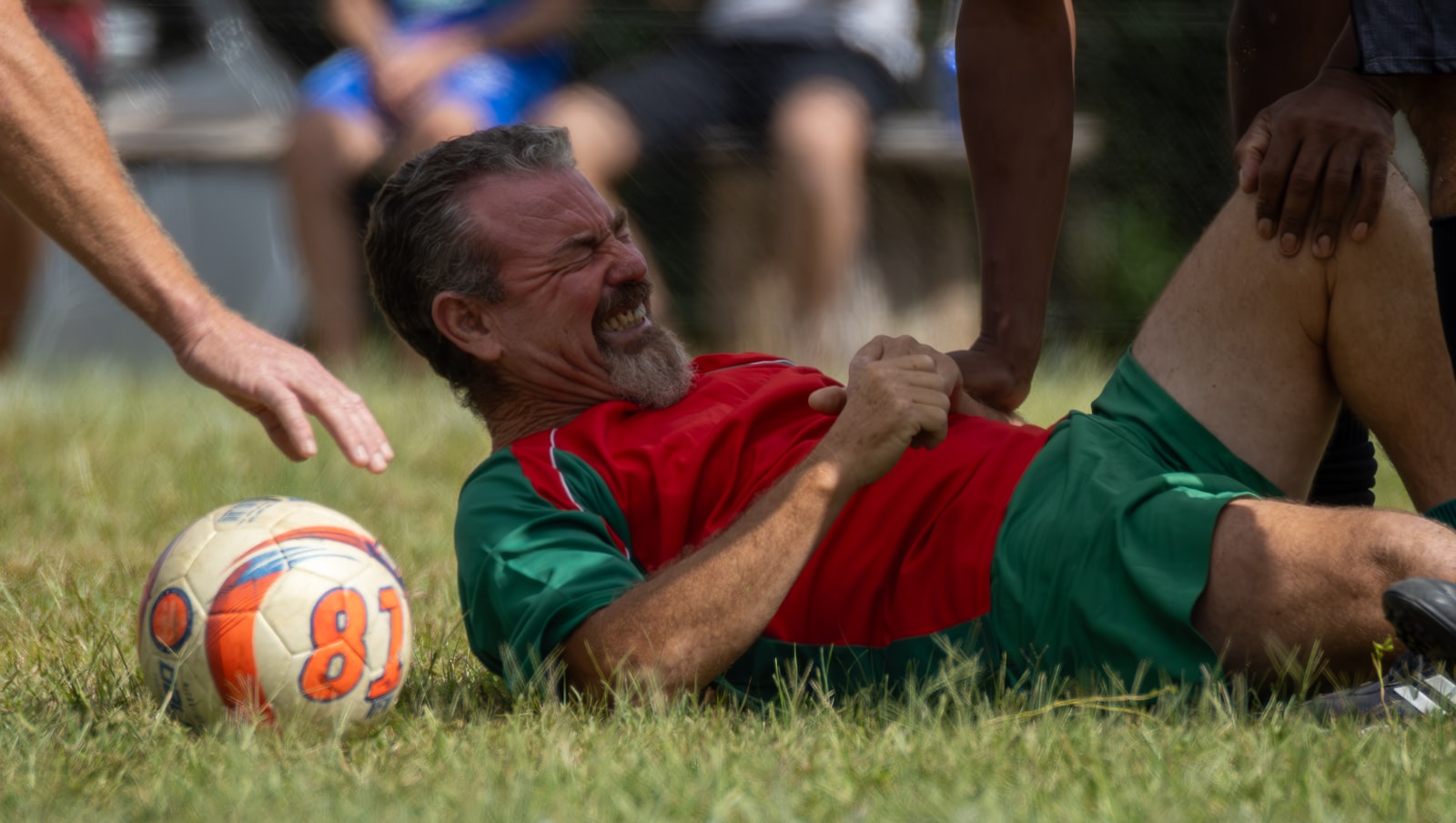

If your jaw feels sore, tight or achy after a heavy set at the gym or a hard match, you're probably clenching your teeth without realising it. This is different from the teeth grinding a lot of people do overnight. Exercise-related clenching happens while you're awake and under physical load, usually during a lift, a sprint, a scrum, or any moment where your whole body braces against resistance. It's a well-documented pattern in sports medicine, and it's worth understanding separately from the grinding most people associate with stress or sleep, which we cover in our guide to bruxism and teeth grinding in adults.
Key Takeaways
- Clenching during exercise is a muscle-bracing reflex, not the same as nighttime bruxism, though both can wear down teeth over time.
- Research shows jaw clenching can genuinely boost strength output during heavy lifts, which is part of why it happens so automatically.
- Studies on weightlifters suggest jaw-related discomfort is more common in this group than in the general population.
- Repeated heavy clenching can cause tooth wear, jaw muscle soreness, headaches and, less commonly, cracked teeth over years of training.
- Breathing technique matters. Holding your breath while straining tends to go hand in hand with jaw clenching.
- A properly fitted sports mouthguard is the most practical protection for contact sport or heavy lifting sessions.
Why the Jaw Clenches During Exercise
When you brace for a heavy lift, a sprint start, or a tackle, your body recruits far more than the muscle group doing the obvious work. This is sometimes called muscular irradiation or, in sports science terms, concurrent activation potentiation. Tension generated in one muscle group, in this case the jaw, appears to "spread" and support activation in other muscle groups working at the same time. Researchers studying jaw clenching during countermovement jumps found measurable increases in force output when participants clenched, with one study reporting close to a 20% improvement in rate of force development compared to a relaxed jaw. That's a meaningful performance effect, and it's likely a big part of why the habit is so automatic and so hard to consciously override mid-lift.
Think of it like the grunt a tennis player lets out on a serve, or the audible exhale a powerlifter makes at lockout. The jaw is wired into the body's full-effort bracing system. Under real load, especially near your maximum, clenching happens before you've had time to think about it.
How This Differs From Nighttime Bruxism
Sleep bruxism is typically linked to stress, sleep architecture and sometimes airway issues, and it happens while you have no conscious control over your jaw at all. Exercise-related clenching is different because it's tied to a specific, identifiable trigger (physical exertion) and it happens while you're awake, meaning you actually have some ability to notice and adjust it with practice. If you also grind your teeth at night on top of clenching during training, the combined load on your teeth and jaw joint is higher, so it's worth reading up on TMJ jaw clicking and joint symptoms if you're noticing both patterns together.

Who Tends to Notice This Most
Anyone training near their limit can clench, but it shows up most often in strength sports (powerlifting, Olympic lifting, strongman), contact sport (rugby, football codes, combat sports) and any activity involving a big isometric hold or brace, like a heavy squat or deadlift. Some research on recreational weightlifters has found jaw-related discomfort and clenching behaviour reported at notably higher rates in this group than in non-training populations, which lines up with what we see clinically. If you already have a history of jaw joint symptoms, TMJ tenderness, or a habit of nail biting (which also loads the front teeth and jaw in an unhelpful way, see our piece on nail biting and its effects on teeth), added clenching from training can compound the problem.
The Real Risks of Repeated Heavy Clenching
| Pattern | What it can lead to over time |
|---|---|
| Occasional clenching on your heaviest lifts only | Usually low risk, similar to any short-term muscle tension |
| Regular clenching every session, unnoticed | Jaw muscle soreness, tension headaches, tight masseter muscles |
| Clenching combined with grinding motion (not just biting down) | Visible wear facets on the biting edges of teeth over months to years |
| Years of unmanaged heavy clenching, especially with an existing weak or cracked tooth | Possible micro-fractures or a chipped cusp, particularly on a tooth with an old filling |
Practical Ways to Stop It (or at Least Manage It)
Build in a jaw-relaxation cue
Before you set up for a heavy rep, run a quick mental check: teeth apart, tongue resting behind the top front teeth, lips gently closed. This is the same "rest position" cue used for people managing daytime clenching outside of exercise. It won't stop clenching on your true one-rep-max attempts (and for those, some clenching is expected and largely unavoidable), but it can cut down on the unconscious clenching that happens on lighter warm-up sets and accessory work where there's no real need for it.
Watch your breathing pattern
Holding your breath and clenching your jaw tend to happen together. Where it's safe to do so (lighter and moderate loads, not your true max attempts, where breath-holding technique like the Valsalva manoeuvre is sometimes used deliberately for spinal stability), try exhaling steadily through the sticking point of a lift rather than holding your breath and locking your jaw. Many strength coaches already teach this for bracing technique, and it has the side benefit of reducing jaw tension.
Use a sports mouthguard for heavy or contact sessions
For genuinely heavy lifting days, contact training or competition, a properly fitted mouthguard gives your teeth a cushioned surface to clench against instead of tooth-on-tooth contact. It won't stop the clenching reflex (and for some lifters, a firm bite surface may even support the bracing effect), but it meaningfully reduces wear on the enamel itself. This is different from a night guard, which is designed for sleep bruxism rather than exercise. Our comparison of night guards versus mouthguards breaks down which is right for which situation.
When to See a Dentist
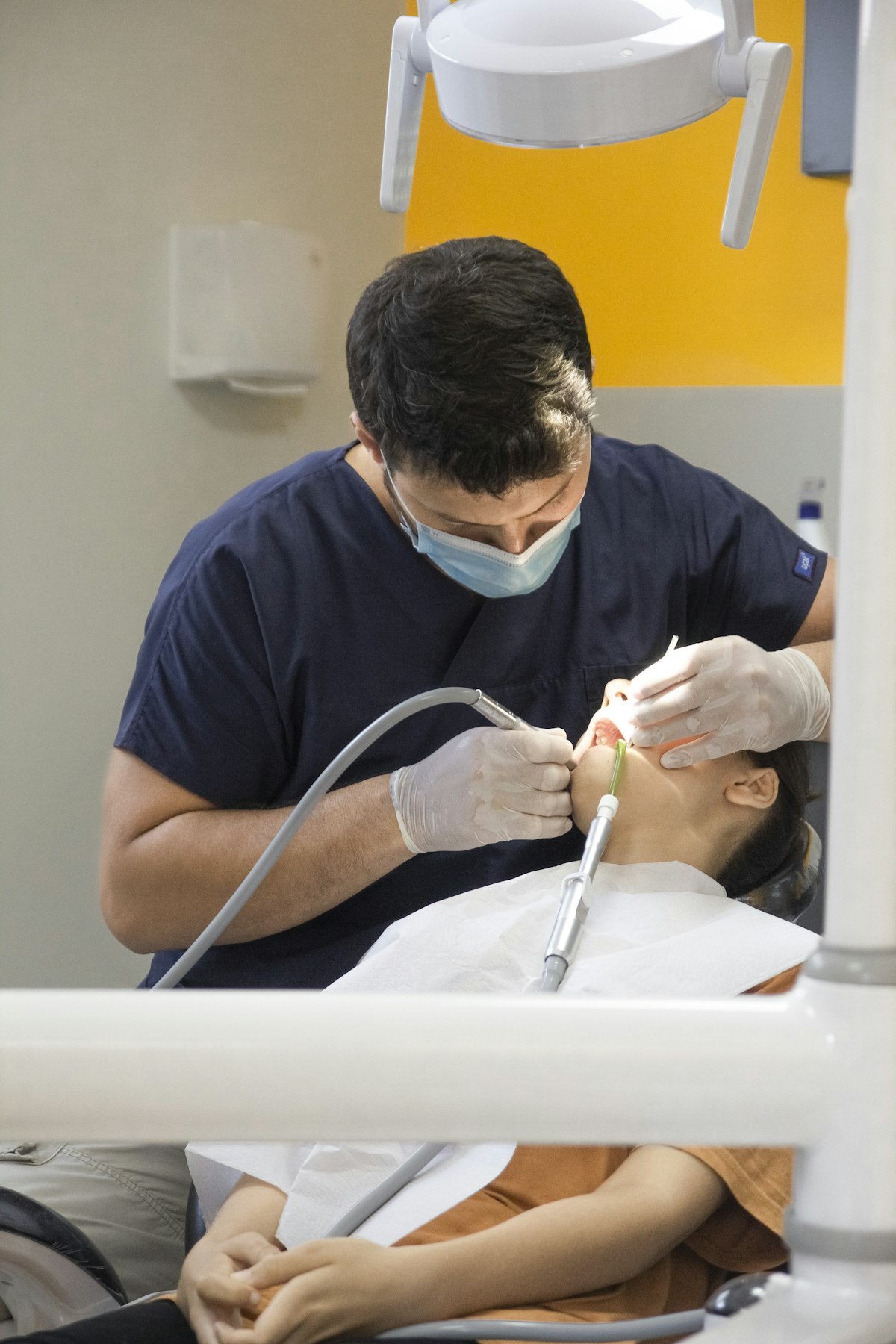
Book a check if you notice flattened or shiny wear facets on your back teeth, a tooth edge that feels chipped or rough, jaw soreness that lingers well after training rather than easing off within a day, or clicking and popping in the jaw joint that doesn't settle. These are all signs the clenching load has outpaced what your teeth and jaw joint are comfortably managing, and a dentist can check for wear, assess your bite, and talk through whether a custom mouthguard makes sense for your training.
Common Questions
Is jaw clenching during exercise actually helping my lifts?
There's decent evidence that it can. Studies on jaw clenching during forceful movements have found measurable short-term increases in strength output, which is part of why the reflex is so strong and automatic during heavy efforts.
Can exercise-related clenching cause TMJ problems?
It can contribute to jaw joint strain over time, particularly if it's frequent and combined with other clenching habits like nighttime grinding. If you're getting clicking, locking or pain, it's worth getting assessed.
Should I use my regular night guard at the gym?
Not ideally. Night guards are designed for the lighter, sustained clenching of sleep, while sports mouthguards are built to absorb higher-impact forces and protect against contact. They're different products for different jobs.
Does this only happen with heavy weights?
It's most noticeable at high effort, but some people clench during any strenuous movement, including running hard, cycling out of the saddle, or an intense grappling exchange. Anywhere the body is bracing hard, the jaw can join in.
Will my dentist be able to tell if I'm clenching during exercise?
Often, yes. Wear patterns, muscle tenderness around the jaw and tooth flattening can point towards a clenching habit, and a conversation about your training routine usually helps confirm the likely cause.
Is it worth getting a custom mouthguard instead of a shop-bought one?
A custom-fitted mouthguard generally sits more securely and is more comfortable for repeated heavy use than a boil-and-bite option, which matters if you're training several times a week. It's a reasonable thing to discuss at a check-up.
This article is general information and doesn't replace an individual dental assessment. If you're dealing with jaw soreness or visible tooth wear from training, the team at Lumi Dental can take a look and talk through your options. Check our current offers or find out more about general dental care at Lumi Dental to book a visit.


