
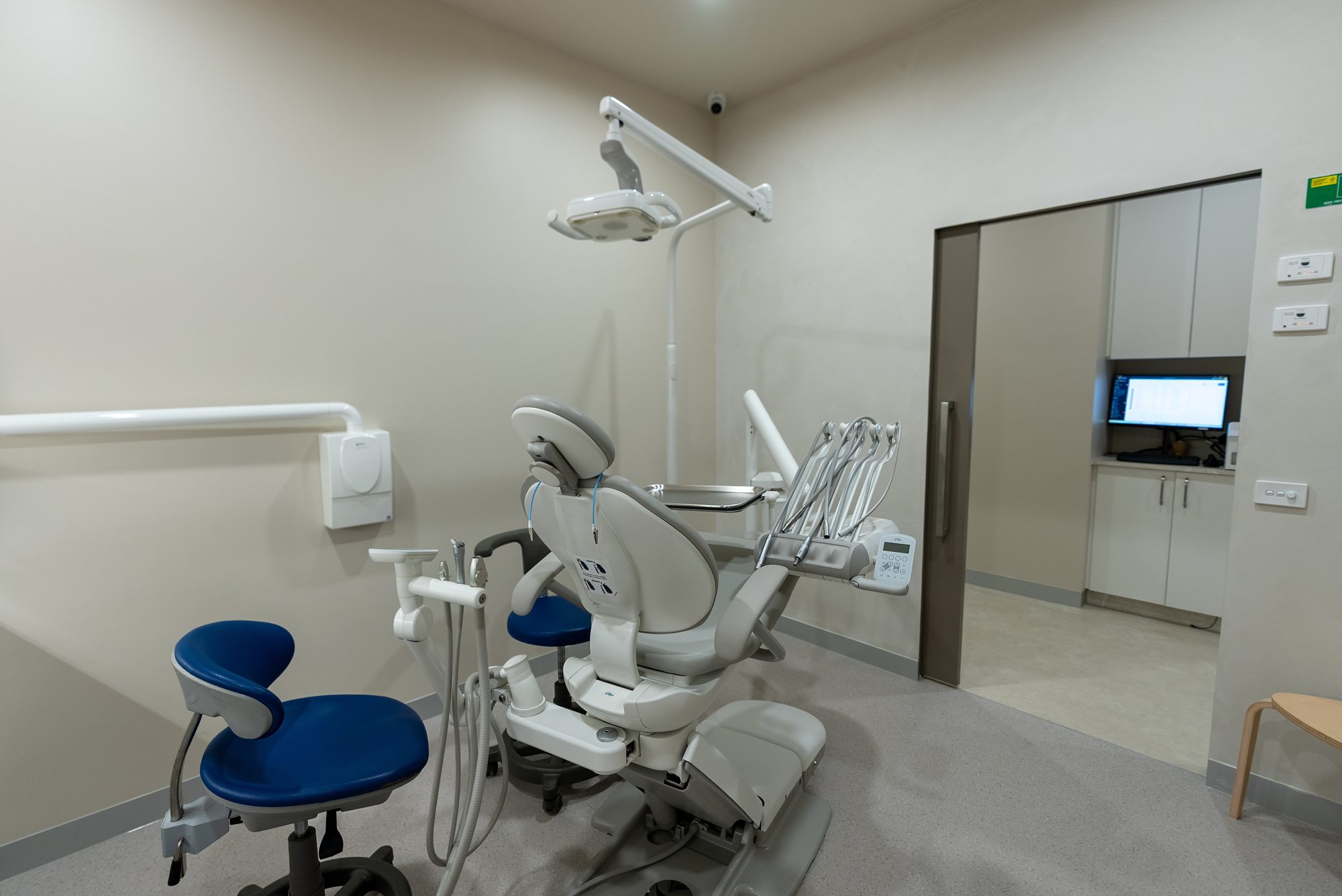

Teeth that feel slightly loose with braces or clear aligners are usually a normal sign that they are moving, because the ligament holding each tooth in its socket loosens and remodels as the bone around it changes shape. A study of 83 orthodontic patients that measured incisor mobility found it was higher at the end of treatment than at the start, and fell again during retention. The wobble that needs a call is the one that keeps growing, hurts when you bite, or comes with swollen or bleeding gums.
Written by Dr James Tran, BDent (University of Sydney), MICOI, GradDip (Oral Implants), general dentist at Lumi Dental in Melrose Park.
The short version
- Every tooth sits in a cushion of ligament fibres. Orthodontic force makes bone break down on one side of the root and rebuild on the other, and the tooth can feel loose while that happens.
- The feeling tends to peak in the first days after braces are adjusted or a new aligner tray goes in, then settles as the tray or wire stops feeling tight.
- Mild soreness for a few days is common; our guide on whether braces hurt and how to ease it covers pain relief.
- Gum inflammation, clenching or grinding, and a knock to the mouth can all add to the looseness and are worth checking.
- After treatment, teeth stay looser for a while, which is why retainers matter.
- Call if one tooth keeps getting looser, hurts to bite on, or comes with gum swelling, bleeding or pus.
The single rule: a wobble that settles is movement, a wobble that grows needs a call
If the looseness arrives with a new tray or an adjustment and eases over the following days, start with patience, soft food and your usual routine. If one tooth feels looser each week, is tender to bite on, or the gum around it is swollen or bleeding, start with a phone call to the dentist or orthodontist supervising your treatment. That single distinction sorts most of the calls I get about loose teeth during orthodontic treatment.
Why moving teeth feel loose
A tooth is not fixed rigidly into the jaw. It is suspended in its socket by the periodontal ligament, a thin band of fibres that connects the cementum covering the root to the surrounding alveolar bone. A narrative review of orthodontic tooth movement describes this ligament as the first, very sensitive receptor that senses orthodontic force.
When a brace wire or an aligner pushes on a tooth, the review explains, cells called osteoclasts remove bone on the pressure side of the root, while on the tension side the ligament cells multiply and osteoblasts lay down new bone. Movement is described in three phases: a lag period, a movement phase and a bone remodelling phase. Throughout, the width and integrity of the ligament are kept by a balance between bone removal and bone formation.
That balance is not instant. Orthodontics Australia explains that braces and clear aligners move teeth by loosening the ligaments and connective tissue between the roots, the gums and the jaw. While the tissue is reorganising, the tooth has a little more room to shift when you press on it with your tongue or bite on something firm.
When the looseness peaks with braces and with aligners
Braces
With fixed braces, brackets are glued to the teeth and joined by a wire that applies light pressure. The NHS notes that teeth may be sore for a few days after braces are fitted, that soft food can help during that time, and that braces are usually adjusted every 6 to 8 weeks. The loose feeling tends to follow the same pattern: most noticeable in the days after a new wire or an adjustment, then easing.
Clear aligners
With aligners, each new tray is shaped slightly ahead of where the teeth are, so the first days in a fresh tray feel tight. When you take the tray out to eat, teeth can feel looser than they did under the plastic. That is expected, and it usually settles as the tray seats fully. Our article on the first week in clear aligners covers the early adjustment period in more detail.
What you notice, what it usually means and what to do
| What you notice | Likely reason | What to do |
|---|---|---|
| Several teeth feel slightly loose for a few days after a new tray or adjustment | Normal ligament and bone remodelling as teeth move | Keep wearing trays as directed, eat softer food, avoid testing the teeth |
| Teeth feel looser when the aligner is out to eat | The tray is no longer holding the teeth together | Put the tray back in promptly after meals and cleaning |
| One tooth keeps getting looser over a couple of weeks | Excess force, a high spot in the bite, grinding or gum problems | Call the dentist or orthodontist supervising treatment |
| Tooth is tender to bite on and gum is red, swollen or bleeding | Gum inflammation or infection around the tooth | Book a prompt review; keep cleaning gently |
| A tooth feels loose after a knock or fall | Trauma to the ligament or root | Ring the same day |
| Teeth feel loose after braces come off or aligners finish | Ligament still settling around the new positions | Wear retainers exactly as instructed |
What can make teeth looser than they should be
Gum inflammation
Brackets, wires and attachments make it easier for plaque to collect along the gum line. The NHS lists teeth becoming loose among the effects of gum disease, alongside bleeding when brushing, swollen and sore gums, shrinking gums and bad breath, and advises an urgent dental appointment if gum disease comes with loosening teeth. Orthodontic movement in inflamed gums is a different situation from movement in healthy gums, which is why I check gum health before any aligner case starts and at reviews. Our guide on why an adult tooth feels loose covers gum disease and other causes outside orthodontics.
Clenching and grinding
Moving teeth have less support for a while, and heavy clenching or grinding, especially at night, adds load every time the jaw closes. If one tooth is sore in the morning and loose by the evening, mention it at your next review.
A tooth that hits first
As teeth move, one can briefly meet its opposite tooth before the others. Each bite then rocks that tooth, and it can feel noticeably looser than its neighbours. This is usually simple to find and manage at a review.
After treatment: why retainers matter while the ligament settles
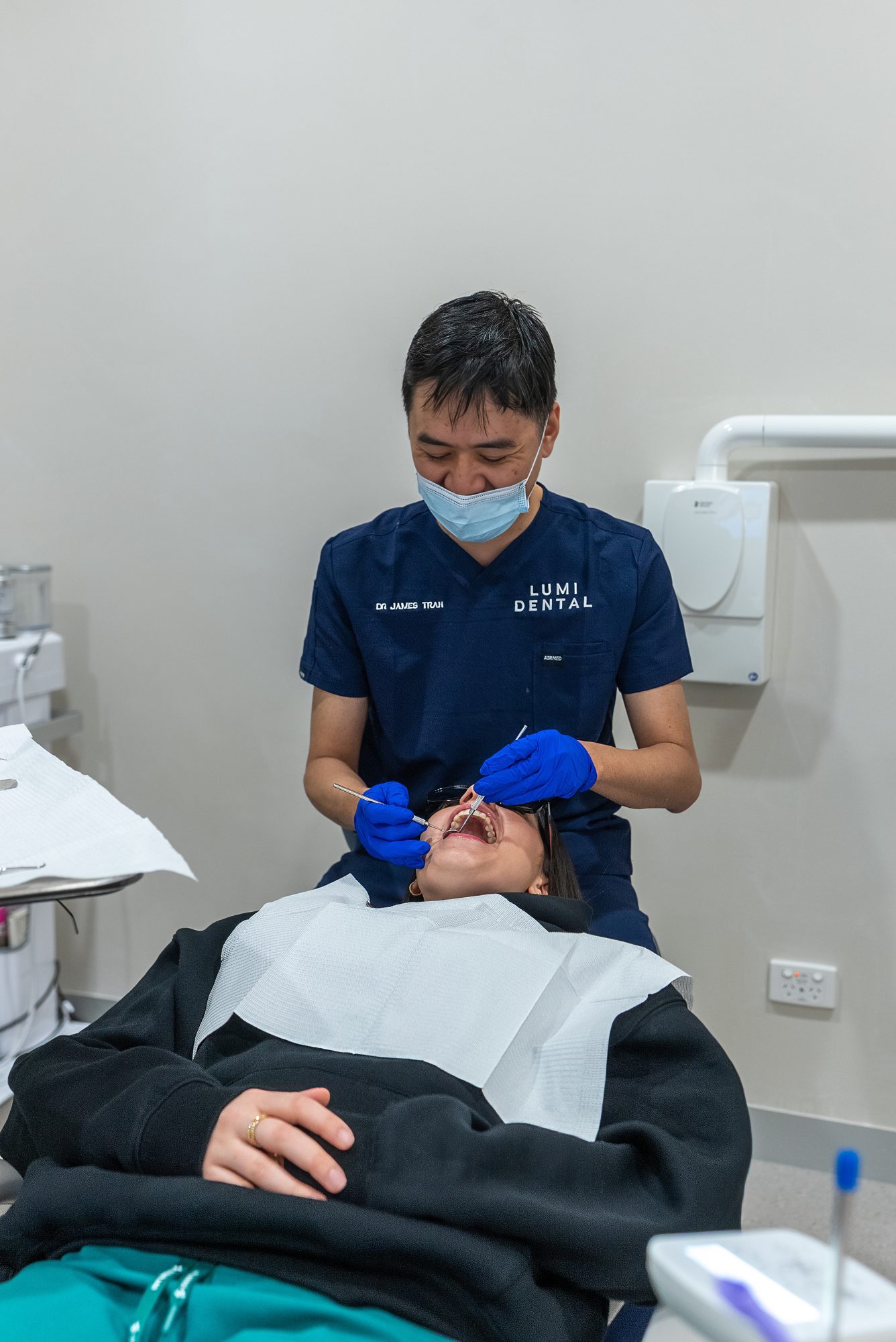
The looseness does not switch off the day braces come off or the last aligner is finished. In the study of 83 patients with crowded teeth, incisor mobility measured at the end of treatment was higher than before treatment and then dropped significantly after retention.
Orthodontics Australia explains that when appliances are removed, the fibrous connections around the roots are still loose, so teeth are at high risk of moving back. It gives an example schedule where retainers are worn around 22 hours a day at first, then nightly after about three months, and eventually two to three nights a week, while stressing that your own orthodontist's directions come first. Fixed retainers should be checked every six months. Our article on retainer types and how long to wear them compares the options.
What to do at home, and when to call
- Keep wearing aligners as directed unless the dentist or orthodontist tells you otherwise; leaving them out can make the next tray fit poorly.
- Eat softer food for a few days after a new tray or adjustment.
- Do not wiggle or test loose teeth with your tongue or fingers.
- Keep cleaning carefully along the gum line and between the teeth.
Call promptly if a tooth keeps getting looser, hurts to bite on, or the gum around it is swollen, bleeding or discharging. The NHS also advises contacting your orthodontist if teeth stay painful for more than a few days after braces are fitted or adjusted, or if braces are broken.
How we approach this at Lumi Dental
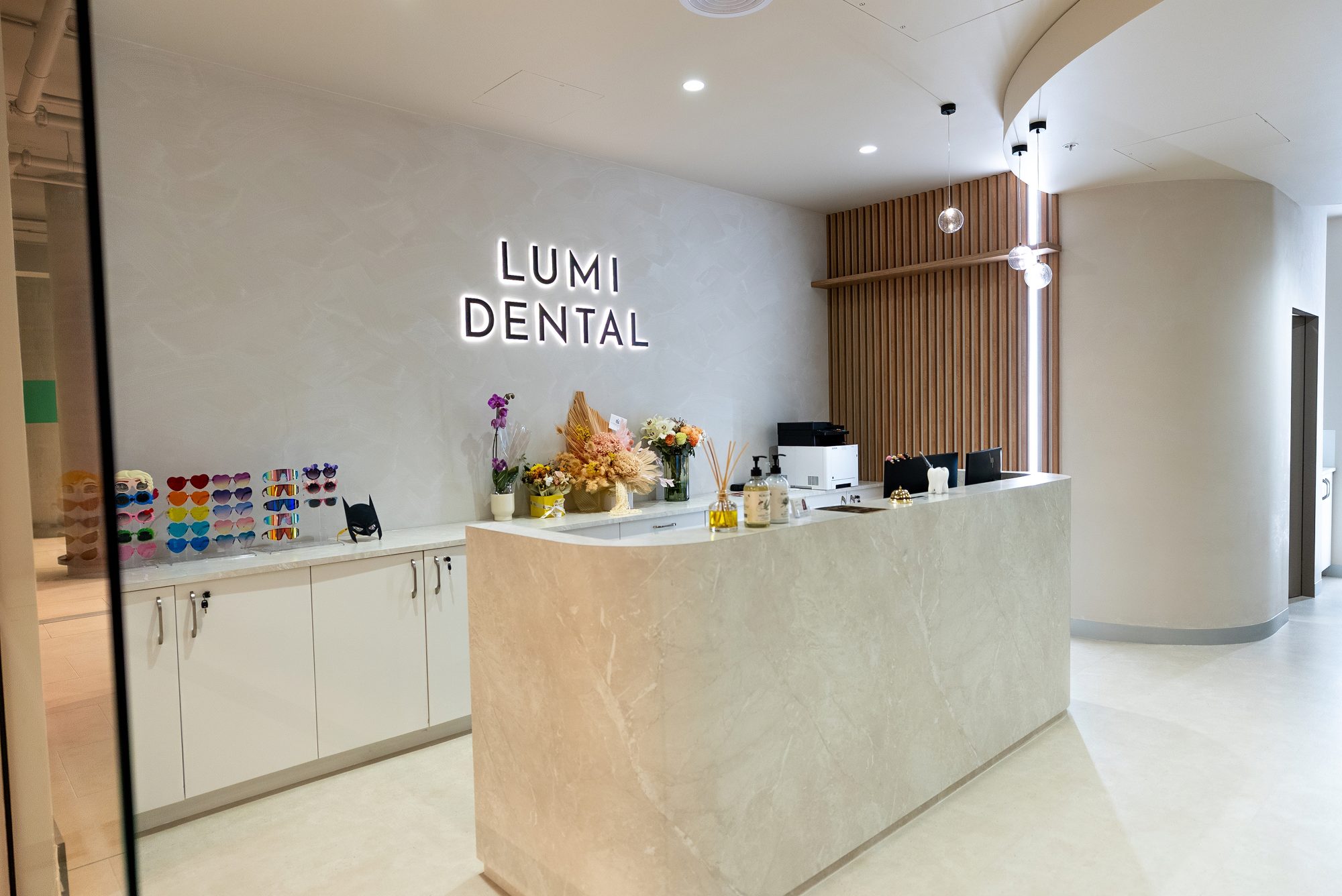
At Lumi Dental, clear aligners are planned by a dentist from a 3D intraoral scan, and gum health is checked before treatment starts and at reviews. The hygiene team of oral health therapists looks after cleans and gum therapy during treatment. Lumi Dental does not list fixed braces as a service, and cases that need specialist orthodontic care are referred to a registered specialist orthodontist. If you are treated elsewhere, call the practitioner running your treatment first. Read more about clear aligners at Lumi Dental.
Questions patients ask
Is it normal for teeth to feel loose with Invisalign or other aligners?
Yes, a slight looseness is common, especially in the first days of a new tray. It usually settles as the tray seats. If one tooth keeps getting looser, call the practitioner supervising treatment.
How long do teeth feel loose after a braces adjustment?
Usually a few days, in line with the soreness that follows an adjustment. If pain or looseness lasts longer than a few days, contact the orthodontist.
Can braces or aligners make my teeth fall out?
Orthodontic movement in healthy gums is not expected to make teeth fall out. Gum disease can loosen teeth, so bleeding, swollen gums or a tooth that keeps loosening needs prompt review.
My aligner feels loose and my teeth feel loose. Is something wrong?
A tray that no longer seats well can mean teeth have not tracked as planned. Our article on an aligner tray not fitting explains what to check before calling.
Will my teeth feel loose after my braces come off?
Often, yes, for a while. Research has reported that mobility falls during retention, which is why wearing retainers as instructed matters. For a sudden loose tooth after a knock, the emergency dentist page explains how to book.
Thinking about clear aligners? Free aligner consultation in Melrose Park
If you are weighing up clear aligners, or want gum health checked before you start, the team at Lumi Dental in Melrose Park can talk it through. Book a free aligner consultation, or read more about clear aligner treatment. Patients visit from Ryde, Parramatta, Ermington, Rydalmere and nearby suburbs, with on-site parking at Melrose Central.
Sources
- PubMed: Longitudinal measurements of tooth mobility during orthodontic treatment using a Periotest
- PMC: Molecular and biological aspects of orthodontic tooth movement, a narrative review
- Orthodontics Australia: Do you need a retainer after orthodontic treatment?
- NHS: Braces
About the author

Dr James Tran is a general dentist at Lumi Dental in Melrose Park. He holds a BDent from the University of Sydney and a Graduate Diploma in Oral Implants, and is a Member of the International Congress of Oral Implantologists (MICOI).
This article is general information only and is not a substitute for an examination and individual advice from a registered dental practitioner. Suitability for any treatment varies from person to person.








