


Teeth naturally darken as we age, and many people in their 50s, 60s and beyond wonder whether whitening is still worth considering. Teeth whitening over 50 is generally possible for people with healthy teeth and gums, but the results, the method and the comfort level often differ from what a 25 year old can expect. Understanding why older teeth look the way they do helps you choose a safer and more realistic approach.
In my experience, the biggest surprise for older patients is that whitening only works on natural tooth structure. Existing crowns, veneers and many fillings will not change colour, which can leave a mismatch if the surrounding teeth lighten. A proper check-up before you start helps avoid that.
Key Takeaways
- Teeth often look yellower or greyer with age because enamel thins and the darker dentine underneath shows through more.
- Whitening is usually suitable for older adults with healthy teeth and gums, but a dental check-up should come first.
- Crowns, veneers, bonding and most fillings do not whiten, so they may need replacing to match.
- Exposed root surfaces and gum recession can make teeth more sensitive during whitening.
- Professional in-chair whitening and custom take-home trays can both work, and a gentler, slower plan may suit sensitive teeth.
- Results vary from person to person, and whitening is not permanent, so some top-ups may be needed over time.
Why teeth darken with age
Each tooth has a hard outer layer of enamel and a softer, yellower layer underneath called dentine. Enamel is fairly translucent. Over decades of chewing, grinding, acidic foods and drinks, and brushing, enamel gradually thins. As it does, more of the dentine colour shows through.
At the same time, dentine itself can darken and thicken as the tooth ages. Years of exposure to tea, coffee, red wine and tobacco also add surface and sub-surface stains. Small cracks and worn areas can trap pigment, which is why older teeth sometimes look patchy rather than evenly dull.
This is a normal part of ageing, not a sign that you have done anything wrong. It also explains why a single approach does not suit everyone. Surface stains respond well to cleaning and whitening, while deeper dentine shade changes often respond more slowly. You can read more about everyday staining in our guide to coffee and tea teeth staining.
What does not whiten: crowns, fillings and veneers
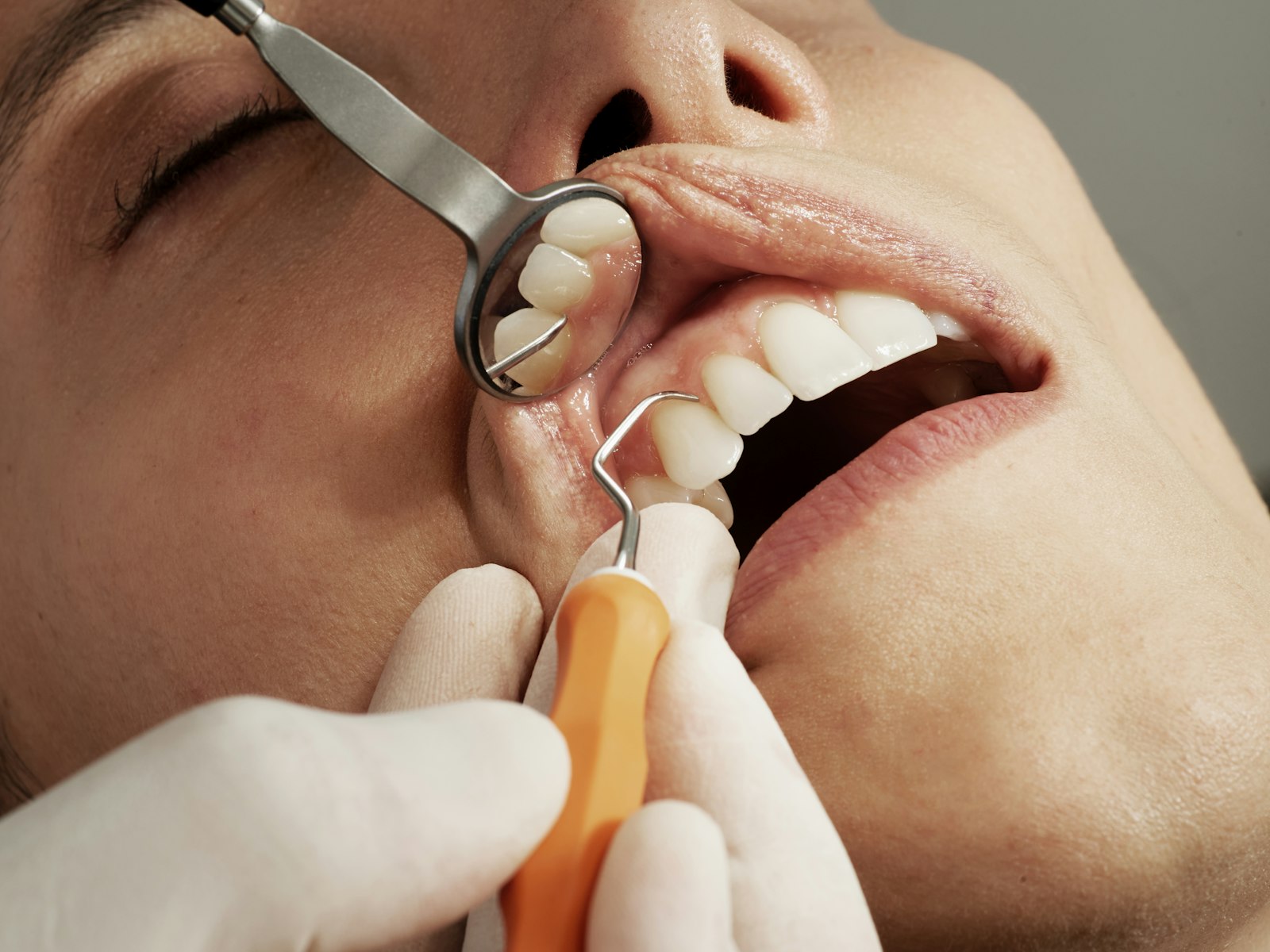
Whitening gels work by lightening the natural tooth. They do not change the colour of porcelain, ceramic, composite resin or metal. By your 50s, many people have a few fillings, crowns or bridges, and these are usually the first thing to consider.
If your front teeth have older restorations, whitening the natural teeth around them may make the restoration look darker by comparison. Sometimes the answer is to whiten first, wait for the shade to settle, then replace the visible restorations to match. Our article on whether you can whiten veneers and crowns explains this in more detail.
| Item in your mouth | Does it whiten? | What often happens |
|---|---|---|
| Natural enamel | Yes | Usually lightens gradually |
| Crowns and veneers | No | May need replacing to match new shade |
| Composite fillings and bonding | No | Can stand out; may be refreshed after whitening |
| Exposed root surface | Poorly | Often more sensitive and may respond less |
| Dentures and bridges | No | Cleaned or replaced rather than whitened |
Sensitivity and gum recession
Sensitivity is the most common reason older adults struggle with whitening. As gums recede over the years, the root surface can become exposed. Root surfaces have no enamel covering, so they are more reactive to cold, sweet foods and whitening gel. You can learn what causes receding gums in our guide to gum recession causes and treatment.
If you already have sensitive teeth, it does not automatically rule out whitening. It usually means a gentler plan, such as lower strength gel, shorter wear times, desensitising products before and after, and more time between sessions. A sensitive-toothpaste routine can help too, and our overview of the best toothpaste for sensitive teeth is a useful starting point.
Active gum disease, untreated decay or cracked teeth should be dealt with before any whitening. Bleaching agents can irritate inflamed gums and can reach sensitive inner areas of a tooth through cavities or cracks.
Your whitening options
There are two main professional routes, and both can suit older adults depending on your teeth and lifestyle.
In-chair whitening
The dentist protects your gums, applies a stronger gel and activates it during a single visit. It is quick and supervised, which some people prefer when sensitivity is a concern. Because it is stronger, it is not always the gentlest choice for exposed roots.
Custom take-home trays
Trays are made to fit your teeth and are used with a lower strength gel over days or weeks. The slower pace is often kinder to sensitive teeth, and the trays can be kept for later top-ups. Poorly fitting shop-bought trays can let gel leak onto gums, so a custom fit matters. If you are comparing options, see our guide to home whitening vs in-chair whitening.
What to expect from results
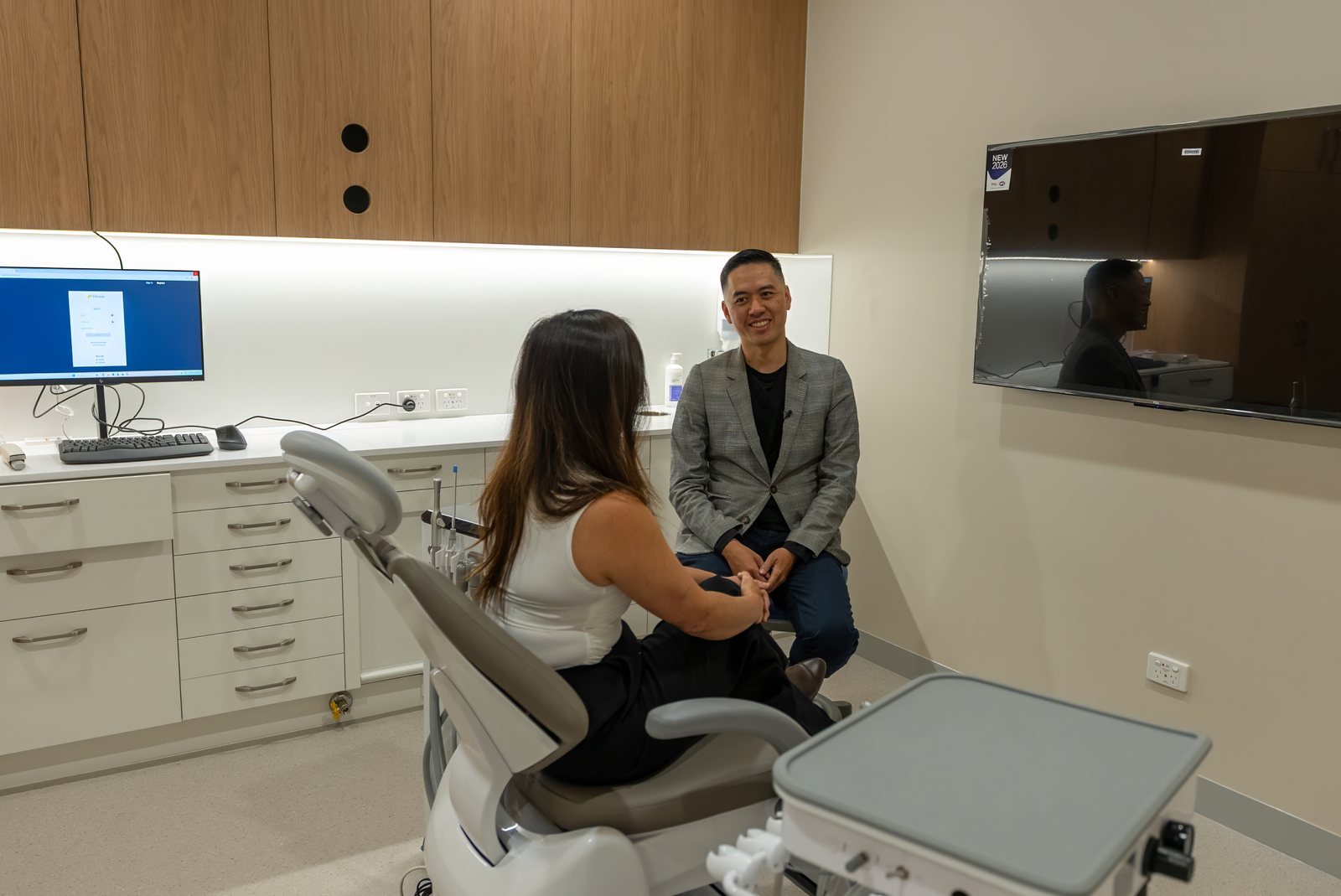
Older teeth can lighten noticeably, but the end shade is hard to predict. Teeth with a yellow tone usually respond better than those with a grey or brownish tone, which may be due to deeper dentine changes or past medicines. Some people aim for a softer, natural shade rather than a very bright one, which often looks more in keeping with their age and smile.
Whitening is not permanent. Staining habits, ageing and normal wear can slowly bring the colour back, so some people top up every so often. Regular professional cleans also help remove surface stain between whitening sessions. If you want to understand the safety side, our article on whether whitening damages enamel covers what the evidence generally suggests.
If you prefer to explore professional options locally, you can read about teeth whitening in Melrose Park to see how the process works from start to finish.
Common Questions
Am I too old to whiten my teeth?
There is no set age limit. What matters is the health of your teeth, gums and existing dental work. A dentist can assess this at a check-up and recommend a suitable method.
Will whitening hurt if I have sensitive teeth?
It may cause temporary sensitivity, particularly if gums have receded. Lower strength gel, shorter wear times and desensitising products often help, and your dentist can adjust the plan if you are uncomfortable.
Why did my crown stay the same colour?
Whitening gels only lighten natural tooth structure. Crowns, veneers and most fillings are made of materials that do not change shade, so they may need replacing if a mismatch bothers you.
How long do results last?
It varies by person and habits. Tea, coffee, red wine and smoking can bring staining back sooner, while good home care and regular cleans can help results last longer.
Are over-the-counter kits a safe alternative?
Some people use them, but ill-fitting trays and unsupervised use can irritate gums, and you will not have anyone checking for decay first. A dental check is a safer starting point.
Book a free cosmetic consult
If you are thinking about teeth whitening over 50, the team at Lumi Dental can check your teeth and gums, talk through your options and explain what is realistic for your smile. You can book a free cosmetic consult to get started, with no pressure to proceed.


