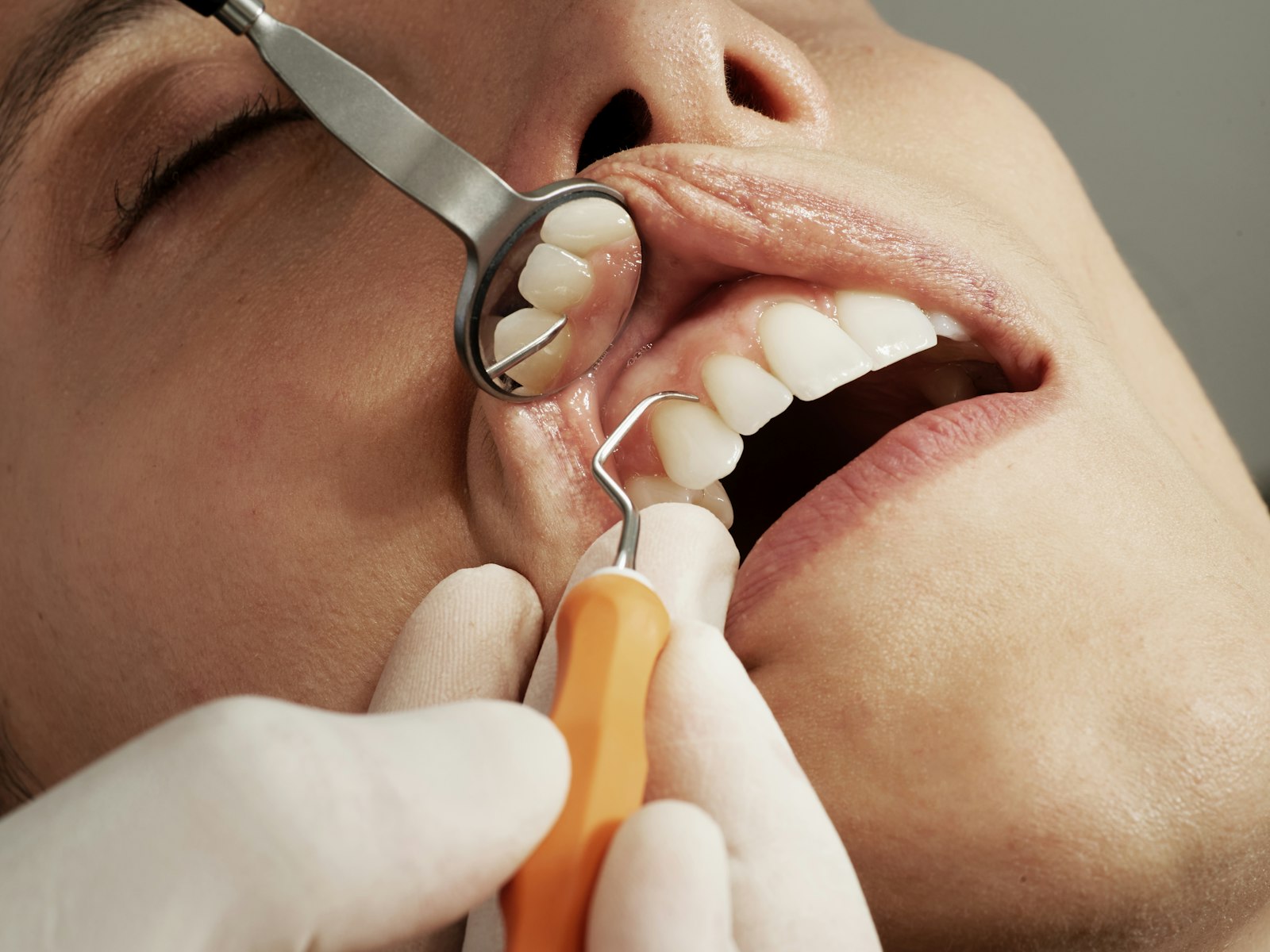

Some sensitivity after a filling is normal and usually settles on its own. Most people notice a short-lived reaction to cold, sweet or pressure that eases within a few days, and deeper fillings can stay a little sensitive for two to four weeks. What is not typical is sensitivity that gets worse over time, sharp pain when you bite down, or discomfort that lasts beyond about a month. Knowing the difference helps you relax about the normal healing and act on the signs that need a check.
Here is what to expect and when to pick up the phone.
Key takeaways
- Mild sensitivity to cold, sweet or pressure after a filling is common and usually settles within days to a couple of weeks.
- Deeper fillings, closer to the nerve, can stay sensitive for up to three or four weeks.
- Pain only when biting down often means the filling is slightly too high and needs a quick adjustment.
- Sensitivity that worsens, lingers past a month, or comes with swelling or fever needs a dental review.
- A sensitivity toothpaste and avoiding extremes of temperature help while it settles.
Why a filled tooth can be sensitive
Placing a filling involves removing decay and restoring the tooth, and the tooth can be a little irritated afterwards while it recovers. The nerve inside may be briefly more reactive to temperature and pressure, especially if the decay was deep and the filling sits close to it. This settling-down period is normal. Our guide to sensitive teeth covers the broader causes of sensitivity.
What is normal and how long it lasts
| Experience | Typical timeframe |
|---|---|
| Mild cold or sweet sensitivity | A few days, easing steadily |
| Deeper filling sensitivity | Up to two to four weeks |
| Tenderness to pressure | Improving within a couple of weeks |
| Sensitivity getting worse | Not normal, get it checked |
The general pattern is improvement. Day by day the tooth should feel a bit better, not worse. A slow, steady fade over one to four weeks is reassuring, whereas pain that is escalating is a reason to call.

The high bite: a common, easy fix
If your tooth feels fine to cold but hurts sharply when you bite or chew, the most likely cause is a filling that sits a fraction too high. When a new filling is even slightly tall, that tooth takes extra force with every bite, which causes pain and can make the tooth ache. This is common and quick to fix. The dentist simply smooths down the high spot so your bite meets evenly, and the relief is usually immediate. If biting hurts, do not wait it out, as a persistently high filling can bruise the ligament around the tooth root.
What helps while it settles
A few simple steps ease normal sensitivity. Use a toothpaste made for sensitive teeth, chew on the other side for a few days, and avoid very hot, very cold or very sweet foods that trigger the twinge. Brush gently with a soft brush. Most people find things steadily improve within a couple of weeks. Our guide on why teeth hurt with sweets explains the dentine link behind that particular trigger.
When to call the dentist
Contact your dentist if the sensitivity is getting worse rather than better, if it lasts beyond about four weeks, if you have sharp pain on biting that does not settle, or if pain lingers for a long time after hot or cold. Lingering pain after heat, spontaneous throbbing or night pain can suggest the nerve is more inflamed, a situation our guide to reversible and irreversible pulpitis explains. Any swelling, a bad taste or fever needs prompt attention. Very rarely, a deep filling does not settle and the tooth needs further treatment. Knowing how long fillings last can also help set expectations.
Frequently asked questions
How long should a tooth be sensitive after a filling?
Mild sensitivity usually settles within a few days, and deeper fillings can stay sensitive for two to four weeks. It should steadily improve. If it lasts longer or worsens, see your dentist.
Why does my tooth hurt when I bite after a filling?
Most often the filling is slightly too high, so that tooth takes extra pressure when you bite. It is a common and quick fix, with the dentist smoothing the high spot so the bite is even.
Is sensitivity after a filling a sign something is wrong?
Usually not. Some sensitivity is a normal part of the tooth settling. It becomes a concern if it worsens, lasts beyond about a month, or comes with swelling, throbbing or fever.
What can I do to ease it at home?
Use a sensitivity toothpaste, avoid very hot, cold or sweet foods, chew on the other side for a few days, and brush gently. Most sensitivity fades within a couple of weeks.
When should I be worried?
Worsening pain, pain that lingers long after hot or cold, spontaneous or night pain, or any swelling or fever should be reviewed promptly, as the nerve may be more inflamed.
The takeaway
Some sensitivity after a filling is normal and usually settles within days to a few weeks, improving as it goes. Sharp pain only on biting often just means the filling is a touch high and needs a quick adjustment. Sensitivity that worsens, lasts beyond a month, or comes with swelling needs a review. If your filling is not settling, see our current offers or book a general dental visit.
This article is general information and not a substitute for an individual dental assessment.