

The single most useful clue to whether tooth-nerve pain is reversible is how long it lasts after the trigger goes away. Pulpitis means inflammation of the pulp, the living nerve and blood supply inside a tooth. In reversible pulpitis, a stimulus like cold or sweet causes a sharp twinge that fades within a second or two. In irreversible pulpitis, the pain lingers for many seconds or minutes after the trigger, or arrives on its own, and that lingering is the warning sign that the nerve may not recover. Knowing the difference helps you understand why treatment differs.
Here is how the two compare and what each usually needs.
Key takeaways
- Pulpitis is inflammation of the nerve inside a tooth, usually from decay, a crack or a deep filling.
- Reversible pulpitis causes brief pain that stops quickly once the trigger is removed.
- Irreversible pulpitis causes lingering or spontaneous pain, often worse with heat or at night.
- Reversible pulpitis can settle if the cause is treated early, often with a filling.
- Irreversible pulpitis usually needs root canal treatment or, in some cases, extraction.
What is pulpitis?
Inside every tooth is a soft core called the pulp, which holds the nerve and blood vessels. When bacteria from decay, a cracked tooth or a very deep filling reach close to the pulp, it becomes inflamed. That inflammation is pulpitis, and it is what makes a tooth ache or become sensitive. Whether the pulp can recover depends on how badly and how long it has been irritated. Common causes include untreated tooth decay, a crack, or trauma to the tooth.
The key difference: how long the pain lingers
The clearest way to tell the two apart is the timing of the pain in response to a trigger.
| Feature | Reversible pulpitis | Irreversible pulpitis |
|---|---|---|
| Pain after cold or sweet | Sharp, gone within a second or two | Lingers many seconds to minutes |
| Spontaneous pain | No, only when triggered | Yes, can throb on its own |
| Response to heat | Usually mild | Often worse, sometimes eased by cold |
| At night | Rarely wakes you | Can wake you or worsen lying down |
| Nerve outlook | Can recover if treated | Unlikely to recover |
If a cold drink causes a jolt that vanishes almost at once, that points to reversible pulpitis. If the ache hangs around after the cold is gone, throbs by itself, or wakes you at night, that points to irreversible pulpitis. A tooth that hurts more with heat and is relieved by holding cold water on it is a classic irreversible pattern.
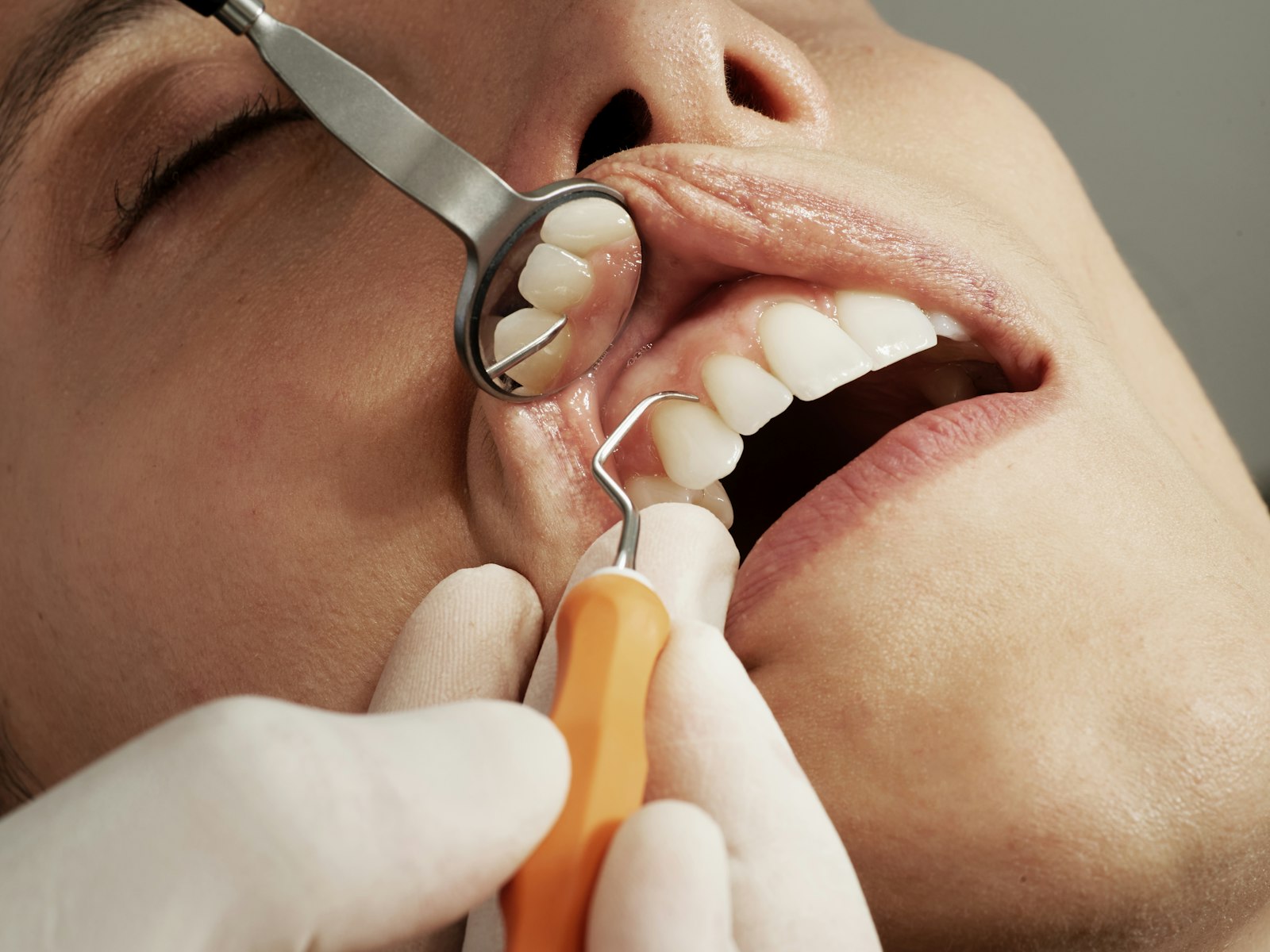
Reversible pulpitis and its treatment
In reversible pulpitis the nerve is irritated but still healthy enough to recover once the cause is removed. If the culprit is decay, cleaning it out and placing a filling usually settles the tooth. If it is a recently placed deep filling, the tooth may just need time to calm down. The key is acting early, before the inflammation tips over into the irreversible stage. This is one reason lingering sensitivity is worth checking rather than ignoring. Our guide to sensitive teeth covers milder causes of sensitivity.
Irreversible pulpitis and its treatment
Once pulpitis is irreversible, the nerve is too damaged to heal, and leaving it can lead to the nerve dying and an abscess forming. The two options are root canal treatment, which removes the inflamed pulp and saves the tooth, or extraction, which removes the tooth entirely. Root canal treatment keeps your natural tooth and is often the preferred choice. Our guide to root canal versus extraction weighs up the decision. Left untreated, an infection can become a dental emergency, as covered in our guide on tooth and gum abscesses.
When to see a dentist
See a dentist if you have lingering pain after hot or cold, pain that starts on its own, throbbing that disturbs sleep, or a tooth that is tender to bite on. Even brief but repeated sensitivity is worth checking, because early reversible pulpitis is far easier to treat than an infected nerve. If a cracked tooth is the cause, our guide on telling a cracked tooth from a sensitive one may help.
Frequently asked questions
How do I know if my pulpitis is reversible or irreversible?
The main clue is timing. Pain that fades within a second or two of removing a cold or sweet trigger suggests reversible pulpitis. Pain that lingers, throbs on its own or wakes you at night suggests irreversible pulpitis. A dentist confirms this with tests.
Can irreversible pulpitis heal on its own?
No. Once the nerve is too damaged, it will not recover, and the tooth usually needs root canal treatment or extraction. Delaying can lead to infection and an abscess.
Does reversible pulpitis always need a root canal?
No. If treated early, reversible pulpitis often settles once the cause, such as decay, is removed and a filling is placed. Root canal treatment is for the irreversible stage.
Why does my tooth hurt more with hot drinks?
Pain that is worse with heat, and sometimes relieved by cold, is a common sign of irreversible pulpitis. It is worth prompt dental assessment.
Is pulpitis an emergency?
Severe, spontaneous or throbbing pain, or swelling, should be seen promptly. Untreated irreversible pulpitis can progress to an abscess, which is a dental emergency.
The takeaway
Pulpitis is inflammation of the tooth nerve, and how long the pain lingers is the best clue to whether it can recover. Brief pain that fades quickly points to reversible pulpitis, often fixable with a filling. Lingering or spontaneous pain points to irreversible pulpitis, which usually needs root canal treatment or extraction. Acting early gives the tooth the best chance. If a tooth is troubling you, see our current offers or book a general dental visit.
This article is general information and not a substitute for an individual dental assessment. Persistent or severe tooth pain should be assessed by a dentist.