
The tooth width-to-length ratio is the measurement behind front teeth that look square, short or too long, and the single question that decides how any of it is treated is whether the tooth is genuinely short or only looks short. A worn tooth, a tooth partly buried under gum, and a tooth that is simply built that way can all produce the same appearance in a photograph. They are three different problems with three different answers, and getting that step wrong is how people end up with treatment that does not solve what was bothering them.
Key takeaways
- Width-to-length ratio describes how wide a front tooth is compared with how tall it is, and it is the number behind teeth reading as square or as long.
- Commonly cited figures for the upper central incisor sit roughly between 75 and 85 per cent, and no single value is correct for everyone.
- The golden proportion is a separate and older theory, and a 2021 systematic review found a lack of evidence that it occurs in natural, attractive smiles.
- A tooth can look short because it has worn down, because gum is covering part of it, or because it is naturally that shape.
- Excess gum display has up to four distinct causes, and working out which one is present is what determines the correct treatment.
- Tooth wear is described in the Australian Dental Journal as a normal physiological part of ageing, and current practice favours minimally invasive adhesive repair over full crowns.
What width-to-length ratio actually means
Take an upper central incisor, one of the two large teeth at the front. Measure how wide it is at its widest point and how tall it is from the gum margin to the biting edge. Divide the width by the length and you get a percentage. A lower percentage means a tall, narrow tooth. A higher percentage means a squarer one. At 100 per cent the tooth would be exactly as wide as it is tall.
That is the whole idea. It is not a mysterious measurement, and you can approximate it yourself from a straight-on photo with a ruler on the screen. What it does is turn a vague feeling that something looks off into a number that can be compared and planned around.
It is worth being clear that this article claims the width-to-length question specifically. Our article on why one tooth looks longer than the others deals with a single tooth sitting out of step with its neighbours, which is a comparison between teeth. This one is about the proportions of the tooth itself, which is a comparison within a single tooth and applies even when every tooth in the arch matches.
The numbers, and why there is no single ideal
The ratio most commonly cited in the aesthetic literature for the upper central incisor is roughly 75 to 80 per cent. That figure has been repeated for decades. More recent work has pushed it upward. A 2012 British Dental Journal study on the influence of maxillary central incisor height-to-width ratio on perceived smile aesthetics found a ratio of 82 per cent was rated most attractive by its raters, above the traditionally cited range. A separate comparative study of professionals and laypeople found about 85 per cent for central incisors, and about 80 per cent for laterals and canines, was rated most aesthetic in that sample.
A 2020 narrative literature review on maxillary anterior tooth dimensions and relative width proportions makes the sensible point directly: recommended proportions are not one fixed number, and they vary by population, by sex and by the methodology of the study. There is no Australian population data on average ratio, and the most attractive ratios vary by rater demographic.
Treat the range as a planning tool rather than a standard you are failing to meet. If your central incisors sit at 90 per cent and you dislike how square they look, that is useful information. If they sit at 90 per cent and you have never given them a thought, nothing needs doing.

The golden proportion is not the same thing, and it does not hold up
People often reach for the golden proportion when this topic comes up, so it is worth separating. The golden proportion is the idea that each visible tooth should appear about 62 per cent the width of the tooth in front of it as you move back through the smile. It is about the relationship between neighbouring teeth, not the shape of any one tooth, so it is answering a different question from width-to-length ratio.
It also does not survive scrutiny. A 2021 systematic review and meta-analysis published in the Journal of Prosthetic Dentistry concluded there is a lack of evidence that the golden proportion actually occurs in natural, attractive smiles, and found it rarely holds between the lateral incisor and the canine. Plenty of cosmetic dentistry marketing still presents it as an established design formula. It is not one, and a smile design built on it as a rule rather than a rough guide is building on sand.
The question that decides everything: short, or only short-looking
Here is the fork in the road. If a tooth measures a low length because enamel has been lost from the biting edge, the tooth is genuinely shorter than it was. If a tooth measures a low visible length because gum tissue is sitting further down the tooth than it should, the tooth underneath is a completely normal length and nothing has been lost at all.
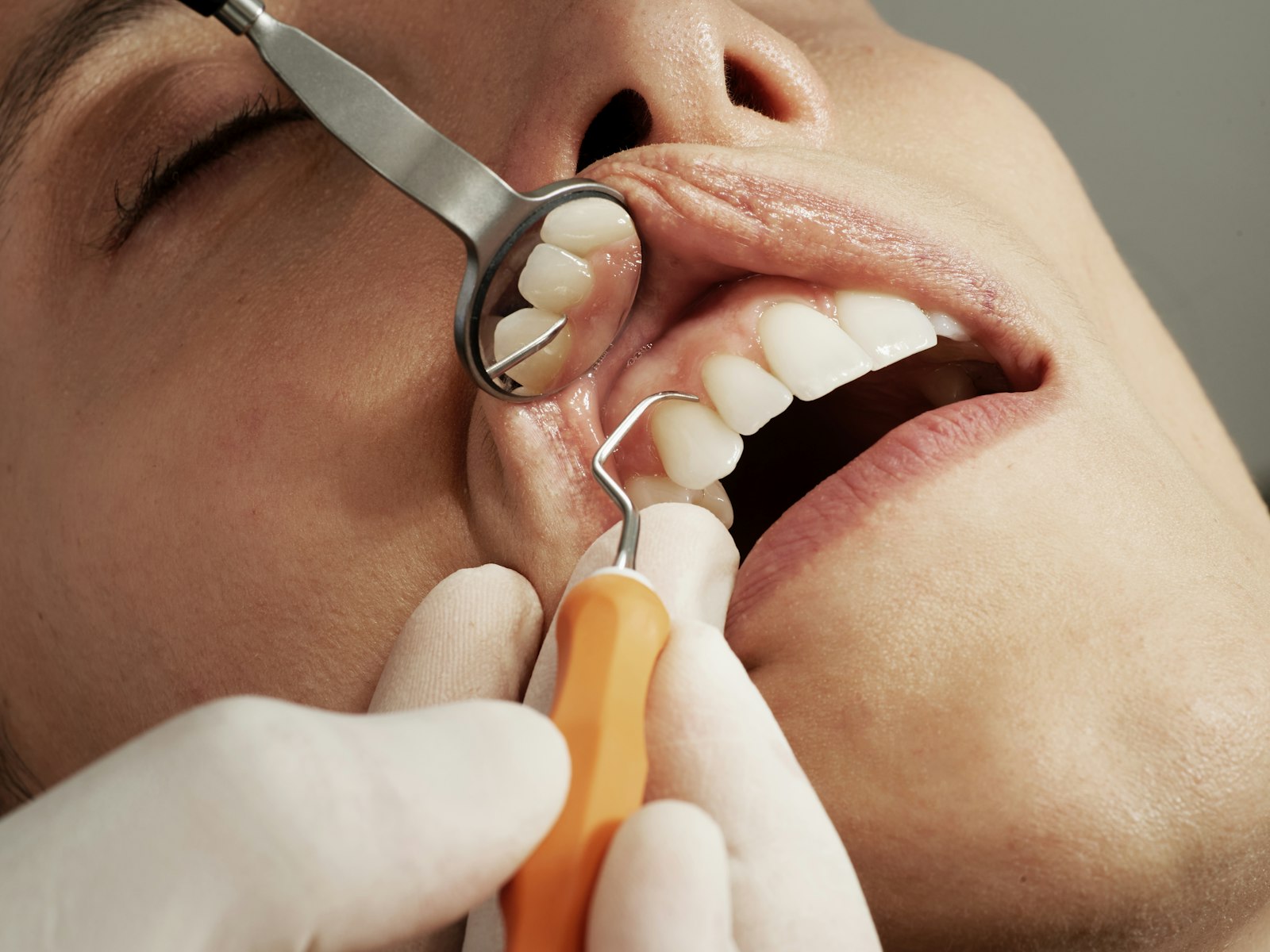
Those two produce a similar photograph and require opposite treatments. Adding material to a tooth that is buried under excess gum makes it wider and squarer, not longer. Removing gum from a tooth that has genuinely worn away exposes root surface without restoring what was lost. The examination, and often a periapical radiograph and periodontal probing, is what tells you which one you are dealing with.
What is actually happening in each case
| What is actually happening | Where it sits | Typical appearance | Common cause | Main treatment routes | Needs diagnosis first |
|---|---|---|---|---|---|
| Naturally low width-to-length ratio | Tooth shape itself | Teeth read tall and narrow, or square, from birth | Inherited tooth morphology | Additive bonding or veneers if the person wants a change | Yes, to rule out wear |
| Incisal wear (attrition) | Biting edge of the tooth | Flat, even edges, teeth shorten gradually over years | Tooth-to-tooth contact, grinding, lost back tooth support | Adhesive bonding, minimal-prep veneers, sometimes orthodontics first | Yes, and the cause must be managed |
| Altered passive eruption | Gum margin position | Short square teeth with a lot of gum showing | Gum fails to migrate to its normal position during eruption | Crown lengthening, gum reshaping | Yes, absolutely |
| Vertical maxillary excess | Upper jaw bone | Marked gum display, teeth themselves normal length | Skeletal growth of the upper jaw | Orthodontics, or orthognathic surgery in marked cases | Yes, this is not a gum problem |
| Hyperactive upper lip | Lip muscle | Gum shows only when smiling broadly | Hypermobile or short upper lip | Managed medically or surgically, not by altering the teeth | Yes |
| Dentoalveolar extrusion | Tooth plus its supporting bone | Front teeth sit lower than they should | Overeruption, often with wear elsewhere | Orthodontic intrusion, combined restorative planning | Yes |
The last column is not filler. Every row on that list can look like the row above it from across a room, and several of them appear together in the same mouth.
When gum is covering the tooth
Altered passive eruption is a recognised condition in which gum tissue fails to migrate to its normal, more apical position during eruption. The crown underneath is a normal length. It is simply not all visible. Teeth look short and square, and there is often more gum on show than the person would like.
Excess gingival display, what most people call a gummy smile, is attributed in the periodontal literature to up to four distinct factors acting alone or in combination: a hyperactive or hypermobile upper lip, vertical maxillary excess arising from skeletal jaw growth, dentoalveolar extrusion, and altered passive eruption. Identifying which factor is involved is what determines the correct treatment, and treating the wrong one produces a disappointing result. We go through those four in more depth in our article on what causes a gummy smile and how it is treated.
Where altered passive eruption is the cause, crown lengthening is the documented approach. It is defined as surgically exposing more supragingival tooth structure by repositioning the gum margin, reshaping the supporting bone, or both. One published case series reported a mean increase of 1.6mm in visible crown height at twelve months after aesthetic crown lengthening, measured photographically. That is a group average from one series and not a figure any individual should be promised. Our guide to crown lengthening covers what the procedure actually involves.
When the tooth has genuinely worn shorter
The Australian Dental Journal, in Bartlett's 2019 paper on tooth wear and aging, describes tooth wear through tooth-to-tooth contact, or attrition, as a normal physiological process and a common part of ageing that shortens the visible length of teeth. That framing matters. Some shortening over decades is expected rather than pathological.
Beyond normal ageing, the documented contributors are bruxism and clenching, loss of posterior tooth support that increases load on the front teeth, and a hard or abrasive diet. Wear from acid or from abrasion behaves differently again, and the distinctions are set out in our article on attrition, erosion and abrasion. This article is not trying to duplicate that. The relevant point here is simply that wear is one of the three reasons a tooth can end up with a high width-to-length ratio.
Current restorative literature favours minimally invasive adhesive techniques, meaning direct composite bonding and minimal-prep veneers, over full-coverage crowns as first-line management of a worn front dentition. That is a meaningful shift from how these cases were handled a generation ago, and it means less healthy tooth structure is removed. Edge repair with composite is the smallest version of that approach, and we describe it in our piece on edge bonding.
Where orthodontics comes in
This is the part most cosmetic content skips. If the front teeth have worn short and then overerupted to keep contact, there may be no space to rebuild them without either opening the bite or moving them. Orthodontic intrusion, which moves a tooth further into the bone, and extrusion, which brings it down, are documented techniques in combined restorative and orthodontic management of worn teeth.
Practically, that means some cases that look like a bonding job are actually a staged plan: move the teeth into a position where there is room, then restore. It takes longer. It also tends to preserve more tooth structure than grinding healthy enamel away to create the space, which is why it gets planned that way.
The same logic runs in reverse where a tooth has overerupted. Intruding it back toward where it belongs can restore the proportions without touching the tooth surface at all, which is about as conservative as cosmetic dentistry gets. It is slower than bonding and it needs retention afterwards to hold the result, so it is a trade-off rather than an obvious win, and it is a conversation worth having before any material goes on a tooth.
Common questions
Why do my teeth look short?
There are three broad possibilities. The teeth may have worn shorter over time, gum tissue may be covering part of a normal-length crown, or they may naturally have a higher width-to-length ratio. An examination, usually with radiographs and periodontal measurements, separates them, and the answer changes the treatment completely.
Why are my teeth so square?
Square usually means a high width-to-length ratio, so the tooth is close to as wide as it is tall. That can be inherited tooth shape, or it can be the result of losing height from the biting edge, or of gum sitting lower on the tooth than it should. Squareness on its own does not tell you which.
Can veneers fix short teeth?
Sometimes, and sometimes they are the wrong tool. Veneers can add length where the tooth has genuinely worn and there is room to place material. Where the tooth is short because gum is covering it, adding a veneer makes the tooth wider rather than longer. Where the cause is skeletal, veneers do not address it at all.
What is the ideal tooth shape?
There is no single ideal. Published figures for the upper central incisor width-to-length ratio range roughly from 75 to 85 per cent depending on the study and the raters, and the golden proportion, which is often quoted alongside it, was not supported by a 2021 systematic review. What matters more is whether the proportions look balanced within your own face.
Can gums be reshaped to make teeth look longer?
Yes, where the gum position is genuinely the cause. Crown lengthening repositions the gum margin and may reshape the supporting bone to expose more of the tooth. It is a surgical procedure with a healing period, and it is only appropriate once altered passive eruption or a similar gum-level cause has been confirmed.
Why have my teeth gotten shorter as I have aged?
Some shortening is a normal part of ageing. Tooth-to-tooth contact wears the biting edges over decades, and the Australian Dental Journal describes this as a physiological process rather than a disease. Grinding, losing back teeth and a hard diet all accelerate it, which is why the rate varies so much between people.
If the proportions are bothering you
The most useful appointment for this is a diagnostic one rather than a treatment one, because so much rests on identifying which of the causes above is actually present. The team at Lumi Dental in Melrose Park offers a complimentary cosmetic consultation where we can measure the teeth, assess the gum levels and the bite, explain what is realistic and provide a written quote for anything you choose to go ahead with. Any current offers are listed on our current deals page.
This article is general information only and is not a substitute for personalised advice from a dental practitioner who has examined you.