


Tooth wear from attrition, erosion and abrasion each leaves a different pattern, and the pattern is what tells you the cause. Attrition flattens the biting surfaces. Erosion dishes out smooth, glossy hollows. Abrasion cuts notches at the gumline. Getting the cause right matters, because filling a worn tooth without changing what wore it down usually means the repair fails in the same way.
Key takeaways
- Attrition is tooth against tooth, and shows as flat, matching facets on the biting edges. It is strongly linked to grinding and clenching.
- Erosion is chemical, from dietary acid or stomach acid, and shows as smooth, glossy, cupped surfaces with thin, see-through edges.
- Abrasion is mechanical, most often firm brushing with an abrasive paste, and shows as shiny wedge shaped notches at the gumline.
- Abfraction is attributed to tooth flexing under load, and remains debated as a standalone cause. In real mouths it overlaps with erosion and abrasion.
- Early wear signs are present in the large majority of adults. More severe wear affects roughly ten per cent of people.
- Sensitivity is often the first symptom, and brushing straight after acid exposure makes erosion worse. Wait about 30 to 60 minutes.
Why the pattern tells the story
Enamel does not grow back. Once it is gone, it is gone, so the useful question is not how to restore it first but what is removing it. In my experience the pattern of wear is a far better guide than the amount of wear, because each mechanism has a signature.
The four mechanisms in one line each
Attrition is friction between two teeth. Erosion is acid dissolving mineral. Abrasion is a foreign object or paste scrubbing enamel away. Abfraction is a proposed flexing effect at the neck of the tooth. Most worn mouths show two or three of these at once rather than one neat category.
Who it affects
The Australian Institute of Health and Welfare and Australian Dental Association both note that some degree of wear is close to universal in adults, rising with age. Mild wear is not a disease. What matters clinically is the rate. Wear that has clearly progressed over a couple of years in a young adult is a very different situation to gentle wear noticed at 70.
Attrition: tooth against tooth
What it looks like
Flat, polished facets on the cusps and incisal edges, and the facets on the upper and lower teeth match when you slide your jaw into that position. Front teeth may look shortened and level, as though they have been filed flat. Fillings sitting slightly proud of the surrounding tooth is another giveaway, because the enamel around them has worn faster than the restoration.
What drives it
Grinding and clenching, awake or asleep. Contributing factors commonly include stress, some medications, sleep disordered breathing and alcohol. Partners often notice the noise before the person does. Morning jaw tightness, headaches at the temples and a scalloped edge along the side of the tongue all point the same way.
Erosion: acid dissolving mineral
What it looks like
Smooth, glossy, almost melted looking surfaces. Little cupped hollows on molar cusps. Edges of the front teeth that go grey and translucent because the enamel has thinned enough to see through. On upper front teeth, erosion from stomach acid tends to show on the tongue side first, which is why it is easy to miss in the mirror.
Where the acid comes from
Dietary sources include soft drinks, sports drinks, energy drinks, citrus, cordial, wine and vinegar based dressings. Frequency matters more than volume. Sipping one soft drink across two hours is worse than drinking it in five minutes. Internal sources include reflux, frequent vomiting, morning sickness and eating disorders. Reflux is often silent, with no heartburn at all, and sometimes the taste changes people notice are the only clue, which we cover in our article on a metallic taste in the mouth.
Saliva is the hidden variable
Saliva buffers acid and carries the calcium and phosphate that help enamel recover between exposures. Anything that reduces flow tips the balance, which is why dry mouth so often appears alongside erosion. Many common medications reduce saliva as a side effect.
Abrasion: something rubbing the tooth away
What it looks like
Sharp V shaped or wedge shaped notches at the gumline, usually on the cheek side, often shiny and sometimes yellow or brown where dentine underneath is exposed. Canines and premolars are hit hardest because they sit further out in the arch. Right handed people frequently show worse notching on the left side, which is a small but telling clue.
What causes it
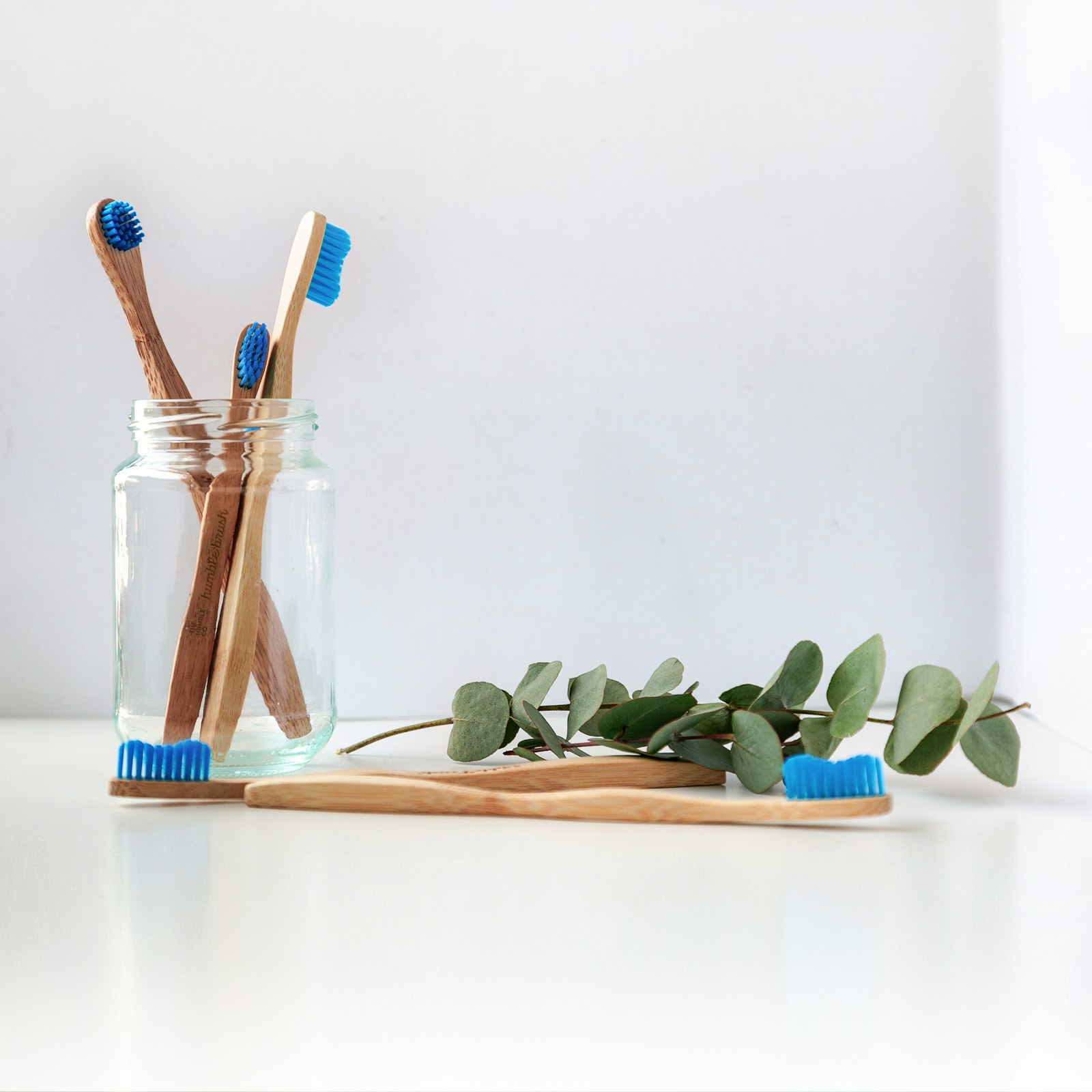
Firm horizontal scrubbing, a hard bristled brush, whitening or smoker's pastes with high abrasivity, and habits such as chewing pens or holding pins between the teeth. Bristles alone do relatively little damage. Bristles carrying an abrasive paste, driven hard, do plenty. Pressing harder does not clean better, and it commonly comes with bleeding gums when brushing being misread as a reason to scrub more firmly.
Abfraction: the debated one
Abfraction describes sharp wedge shaped lesions at the neck of the tooth, attributed to the tooth flexing under heavy biting load and the enamel crystals fracturing at the point of greatest bend. The theory is plausible and the lesions are real. Whether flexing alone creates them is still argued in the literature. Most clinicians now treat these lesions as multifactorial, with acid and brushing doing much of the work and load possibly accelerating it.
| Type | Cause | Where it shows | What it looks like | What usually helps |
|---|---|---|---|---|
| Attrition | Tooth grinding against tooth | Biting surfaces and incisal edges | Flat, matching, polished facets | Occlusal splint or night guard, stress and sleep review |
| Erosion | Dietary or stomach acid | Whole surfaces, cusp tips, tongue side of upper front teeth | Smooth, glossy, cupped, translucent edges | Reduce acid frequency, medical review for reflux, fluoride |
| Abrasion | Abrasive paste and firm brushing, or habits | Gumline on the cheek side | Shiny V shaped notches, yellow or brown base | Soft brush, light pressure, low abrasivity paste |
| Abfraction | Attributed to flexing under biting load | Neck of the tooth at the gumline | Sharp, angular wedge shaped lesion | Manage the load and the co-existing acid or brushing factors |
The management ladder
Step one: find and stop the cause
Nothing else works until this happens. That may mean a diet diary, a referral to a GP for reflux, a conversation about grinding, or watching someone brush and correcting the technique. Photographs and models taken now give a reference point to compare against in two years, which is the only reliable way to know whether wear is still progressing.
Step two: protect what is left
High fluoride toothpaste on dental advice, desensitising products, fluoride varnish, and simple timing changes. Rinse with plain water after acid rather than brushing immediately. Use a straw for acidic drinks. Finish a meal with cheese, milk or plain water.
Step three: restore, but only after
Composite bonding can rebuild worn edges and cover exposed dentine, and it is conservative because it adds material rather than cutting the tooth. Severe cases may need crowns or a planned rebuild of the bite. Minor irregularities are sometimes smoothed instead, which is explained in our piece on tooth reshaping. As a general market guide, a single composite repair on a worn front tooth commonly falls in the low hundreds of dollars, while full rebuilds run into the thousands. Those are broad market ranges rather than a quote.
When wear has progressed, options for restoring worn down teeth outlines how teeth may be rebuilt and protected.
Frequently asked questions
How do I know if I grind my teeth at night?
Common signs are jaw tightness on waking, temple headaches, a scalloped edge on the tongue, flat matching facets on the teeth, and a partner hearing the noise. A dentist can often see the wear pattern before you notice any symptoms.
Can worn teeth grow back?
No. Enamel has no living cells and cannot regenerate. Early softened enamel can partly remineralise with fluoride and saliva, but lost tooth structure has to be replaced with a restoration.
Is some tooth wear normal with age?
Yes. Gentle wear over decades is expected. The concern is the rate, so wear that has visibly changed over a year or two is worth investigating regardless of your age.
Should I brush after vomiting or reflux?
Not immediately. Rinse with plain water, or water with a little bicarbonate of soda, and wait about 30 to 60 minutes. Brushing softened enamel straight away removes more mineral than it protects.
Does an electric toothbrush cause abrasion?
Electric brushes are not inherently abrasive and many have pressure sensors that help. The paste and the pressure matter more than the brush. Let the brush do the work rather than pushing it into the gumline.
Which toothpaste suits worn, sensitive teeth?
A fluoride paste with a low abrasivity rating, and often a desensitising formulation containing potassium nitrate or stannous fluoride. Avoid gritty whitening or smoker's pastes if you already have notching at the gumline. Ask your dentist to match the product to your pattern of wear.
Have your wear pattern checked at Lumi Dental
If your teeth look shorter than they used to, feel sharp on the edges, or have started twinging with cold, it is worth having the pattern assessed before more enamel goes. The team at Lumi Dental in Melrose Park can photograph and record what is there now, work out the likely cause and set out a plan in order of priority. Have a look at our current new-patient offers, or read more about general dentistry at Lumi Dental. We are open Monday to Saturday, with Sunday by appointment.
This article is general information only and is not a substitute for personal dental advice. Every mouth is different, so please see a dentist for advice about your own teeth.


