

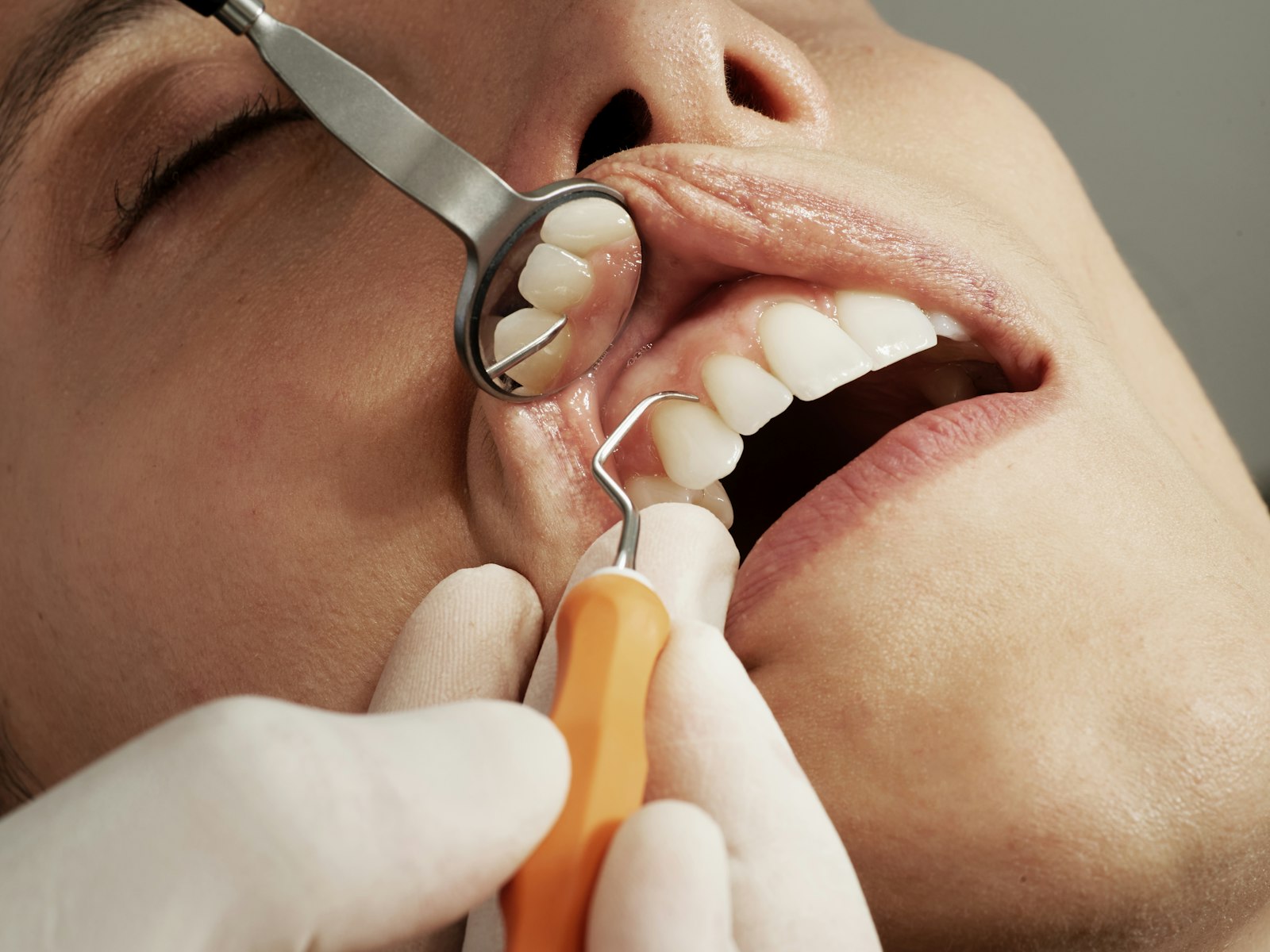

A gummy smile, where more than around 3mm of gum tissue shows above the teeth when smiling, usually comes down to one of four causes: gum tissue that has not fully receded from the teeth as a child grows (altered passive eruption), an upper lip that lifts higher than average, a jaw that has grown slightly longer than ideal, or teeth that have erupted too far down. Because the causes are different, the fix is different too, and treatment ranges from a non-surgical Botox injection through to gum reshaping, lip surgery, or orthodontics, depending on which factor is actually driving it.
Key takeaways
- Gum display of more than about 3mm when smiling is generally considered a gummy smile from a cosmetic standpoint.
- The four main causes are altered passive eruption (excess gum tissue over the teeth), a hypermobile upper lip, excess vertical jaw growth, and dentoalveolar extrusion (teeth erupted too far).
- Treatment is cause-specific. What fixes a lip-driven gummy smile will not fix a jaw-driven one.
- Crown lengthening is considered the gold-standard fix when the cause is excess gum tissue.
- Botox is a non-surgical option that works well for mild to moderate cases where lip movement is the main driver.
The one question that decides your treatment: what is actually moving?
Before choosing a treatment, the more useful question than "how do I fix my gummy smile" is "what exactly is causing more gum to show." A dentist works through this by watching how much your lip lifts when you smile fully, measuring how much of the tooth crown is currently covered by gum tissue, and assessing your jaw proportions and bite. Each of those factors points toward a different, and usually quite different-looking, treatment.
The four main causes
Altered passive eruption
During normal development, gum tissue gradually recedes down the tooth crown as a child grows into adulthood, eventually settling at a stable level near the junction between the crown and the root. In some people this recession does not fully complete, leaving more gum tissue covering the crown than usual, so teeth look shorter and squarer than they actually are underneath the gum.
Hypermobile upper lip
Some people have an upper lip that simply lifts higher than average when they smile fully, exposing more gum regardless of how the teeth or gums themselves are positioned. This is a purely muscular and anatomical trait, not a sign of anything wrong with the teeth or gums.
Excess vertical jaw growth
In some cases, the upper jaw has grown slightly longer vertically than ideal, which brings the teeth and gums down with it and increases how much shows when smiling. This is a skeletal factor rather than a soft-tissue one.
Dentoalveolar extrusion
Occasionally, the teeth themselves have erupted further down than typical, bringing the surrounding gum and bone down with them, most often affecting a specific tooth or small group of teeth rather than the whole smile.

Treatment options from least to most involved
| Treatment | Best suited for | What it involves |
|---|---|---|
| Monitoring, no treatment | Mild cases where the patient is not bothered by the appearance | No procedure; purely a cosmetic preference decision |
| Botox to the upper lip muscles | Mild to moderate cases driven mainly by a hypermobile lip | A quick injection that softens the lift of the lip when smiling; effects generally last a few months and are repeated |
| Crown lengthening (gum reshaping) | Cases driven by altered passive eruption or excess gum tissue | A gum and sometimes minor bone recontouring procedure that exposes more of the natural tooth crown, similar in principle to gingivectomy and gum reshaping, considered the gold-standard fix for this cause |
| Lip repositioning surgery | Moderate cases driven by a hypermobile lip or mild vertical jaw excess | A surgical procedure that limits how high the lip can lift, offering a more permanent result than Botox |
| Orthodontics or orthognathic (jaw) surgery | Cases with significant vertical jaw excess or bite involvement | Ranges from orthodontic intrusion of the affected teeth through to jaw surgery for more significant skeletal cases |
Why a mixed cause needs a combined plan
Many people have more than one contributing factor, for example a mildly hypermobile lip combined with some altered passive eruption. In these cases, a single treatment often will not fully resolve the appearance, and a combined plan, such as crown lengthening together with a smaller correction to the lip, tends to produce a more complete and stable result than repeatedly trying one option at a time. Sometimes the teeth revealed after treatment also benefit from cosmetic refinement, whether that is reshaping their proportions or, in some cases, a full smile makeover plan. This is one of the more common reasons a first treatment "does not quite fix it" when the underlying assessment was incomplete.
What a cosmetic consultation actually assesses
A proper assessment looks at how much gum shows in a full, natural smile rather than a posed one, measures the width of visible gum on the front teeth, checks whether the teeth underneath are already a good length and shape or whether cosmetic bonding or veneers would also improve the result, and reviews your bite and jaw proportions. This is also the point where any related concerns, such as whether the visible teeth would also benefit from bonding, veneers, or reshaping, or whether the teeth should be whitened before any restorative work, are usually discussed together, since crown lengthening and cosmetic tooth treatment are often planned as a single combined case.
Frequently asked questions
How much gum showing counts as a gummy smile?
Around 3mm or more of gum tissue visible above the teeth in a full smile is generally the threshold used to describe a gummy smile from a cosmetic standpoint, though it is ultimately a personal assessment as much as a measured one.
Is Botox a permanent fix for a gummy smile?
No. Botox for a gummy smile typically lasts a few months and needs to be repeated. It is best suited to mild to moderate lip-driven cases or as a trial before considering a more permanent option.
Does crown lengthening hurt?
It is performed under local anaesthetic, so the procedure itself is not painful, though some tenderness during healing over the following week or so is normal, similar to other minor gum procedures.
Can braces fix a gummy smile?
Braces or aligners can help when the cause involves teeth that have erupted too far or a bite component, by repositioning the teeth vertically. They are less effective for lip-driven or purely gum-tissue-driven cases.
Will my gummy smile get worse with age?
Gum position and lip mobility are generally stable through adulthood, though gum recession from other causes, such as gum disease or aggressive brushing, can change the appearance over time independent of the original cause.
How do I know which cause applies to me?
A cosmetic dental assessment that looks specifically at your lip movement, gum coverage, tooth proportions, and bite is the most reliable way to identify the actual cause, since more than one factor often looks similar at a glance.
Booking with Lumi Dental
If you are self-conscious about how much gum shows when you smile, a proper assessment is the first step to understanding what is actually driving it and which option suits you best. The Lumi Dental team offers a complimentary cosmetic consultation to talk through your options.
This article is general information only and is not a substitute for an individual dental assessment.

