


Translucent or see-through teeth usually mean the enamel has thinned, most often from acid erosion, so the edges lose their solid white appearance and start to look glassy or grey. Enamel is naturally semi-translucent, and the biting edges of the front teeth have little or no dentine behind them, so they are the first place thinning shows. A little translucency at the very tips can be normal, but edges that are becoming clearer over time are usually a sign that enamel is wearing away and worth acting on early.
Key takeaways
- See-through edges usually signal thinning enamel, not a stain.
- Acid erosion from diet or reflux is the most common cause.
- Coeliac disease and enamel defects can also make teeth translucent.
- Enamel does not grow back, so protecting what remains is key.
- Bonding, veneers, or crowns can restore worn edges when needed.
Why enamel makes teeth look see-through
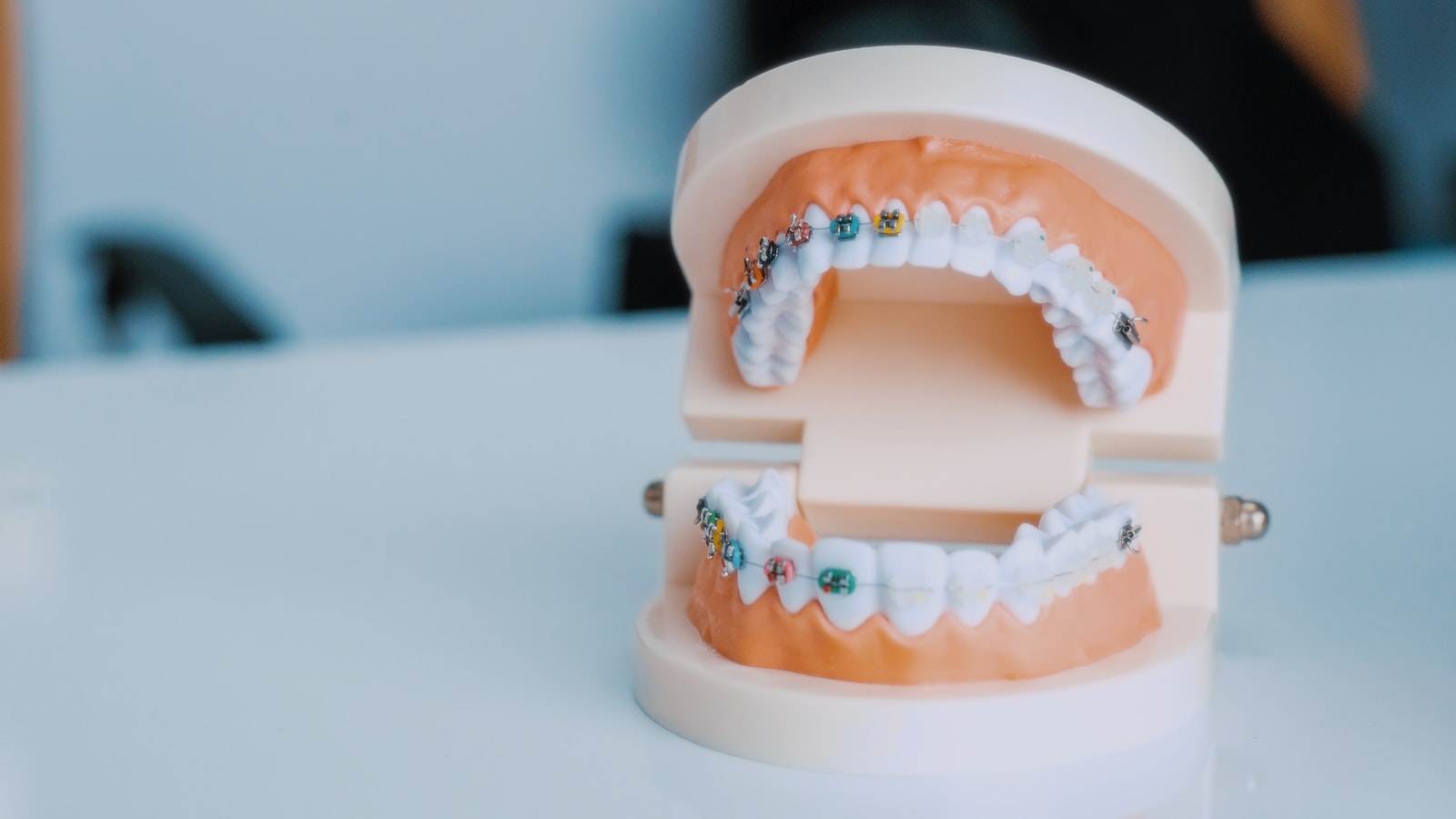
A tooth has an opaque, off-white core of dentine covered by a thin, glass-like layer of enamel. Enamel itself lets some light through. At the biting edges, where the dentine does not reach, only enamel is present, so as that enamel thins the edge looks increasingly clear, bluish, or grey. This is why translucency tends to appear first along the edges of the upper front teeth.
The main causes
Acid erosion
Acid is the leading cause of thin, translucent enamel. It can come from the diet, through frequent soft drinks, citrus, sports drinks, and wine, or from the stomach through reflux or repeated vomiting. Acid softens and gradually dissolves the enamel surface. Our guide to enamel erosion explains how this happens and how to slow it.
Coeliac disease
Coeliac disease can disturb enamel while it is forming, leaving teeth with translucent areas, pits, or bands, often symmetrically across matching teeth. Where enamel defects appear alongside digestive symptoms, it is worth raising with a doctor.
Enamel defects present from the start
Some people form thinner or weaker enamel from the outset, as in enamel hypoplasia or conditions where enamel mineralises poorly. These teeth can look translucent from a young age and tend to be more sensitive.
Everyday wear and grinding
Grinding and clenching, known as bruxism, wear the edges mechanically and speed up thinning, especially when combined with acid. If you grind at night, protecting the teeth matters, as covered in our guide to teeth grinding.
Causes and clues
| Cause | Typical clue | First step |
|---|---|---|
| Dietary acid | Frequent soft drinks, citrus, wine | Reduce acid frequency, wait to brush |
| Reflux or vomiting | Heartburn or wear on inner surfaces | Manage reflux with a doctor |
| Coeliac disease | Symmetrical enamel defects, gut symptoms | Discuss testing with a doctor |
| Enamel defect | Present since childhood, sensitive | Dental assessment and prevention |
| Grinding | Flat, chipped edges, jaw tension | Night guard, dental review |
How to protect the enamel you have
Enamel cannot regrow once it is lost, so prevention focuses on reducing acid attacks and strengthening what is left. Helpful steps include cutting the frequency of acidic food and drink, using a straw, rinsing with water after acid, and waiting about an hour before brushing so softened enamel is not scrubbed away. Fluoride toothpaste reduces the effect of acid and helps the surface stay strong. If reflux is involved, treating it protects both the throat and the teeth. Sensitive edges can settle with these measures, and our guide to preventing decay covers the wider prevention picture.
Treatment options for worn edges
When translucency is advanced or the edges are chipping, a dentist can rebuild them. Tooth-coloured bonding can restore worn edges in a single visit and is a conservative first option. Veneers can cover and protect the front surfaces where wear is more extensive, and crowns are used when a tooth needs full coverage. The right choice depends on how much enamel is left, whether grinding is a factor, and your goals. A written assessment sets out what each option involves.
Frequently asked questions
Are translucent teeth normal?
A small amount of translucency at the very tips can be normal. Edges that are becoming clearer over time usually mean enamel is thinning and should be checked.
Can translucent teeth be reversed?
Lost enamel does not grow back. Early erosion can be stabilised with prevention, and worn edges can be rebuilt with bonding, veneers, or crowns.
Does whitening help see-through teeth?
Whitening does not add enamel and can increase sensitivity on thin edges. Restoring the edge is usually the better approach, so ask your dentist first.
Is a translucent tooth more likely to chip?
Yes. Thin enamel at the edge is more fragile, so protecting and, where needed, rebuilding the edge helps prevent chips.
Could it be a sign of a medical condition?
Sometimes. Reflux and coeliac disease can both affect enamel, so mention digestive symptoms to your doctor if they are present.
Speak with the team at Lumi Dental
If your teeth are looking see-through at the edges, the team at Lumi Dental in Melrose Park can assess the enamel, identify the cause, and talk through protection and restoration. Read more about general dental care or view current new-patient offers on the current deals page. We do not list our own prices here and are happy to provide a written quote after an assessment.
This article is general information only and is not a substitute for personal medical or dental advice. Please see your doctor or dentist for advice about your situation.


