
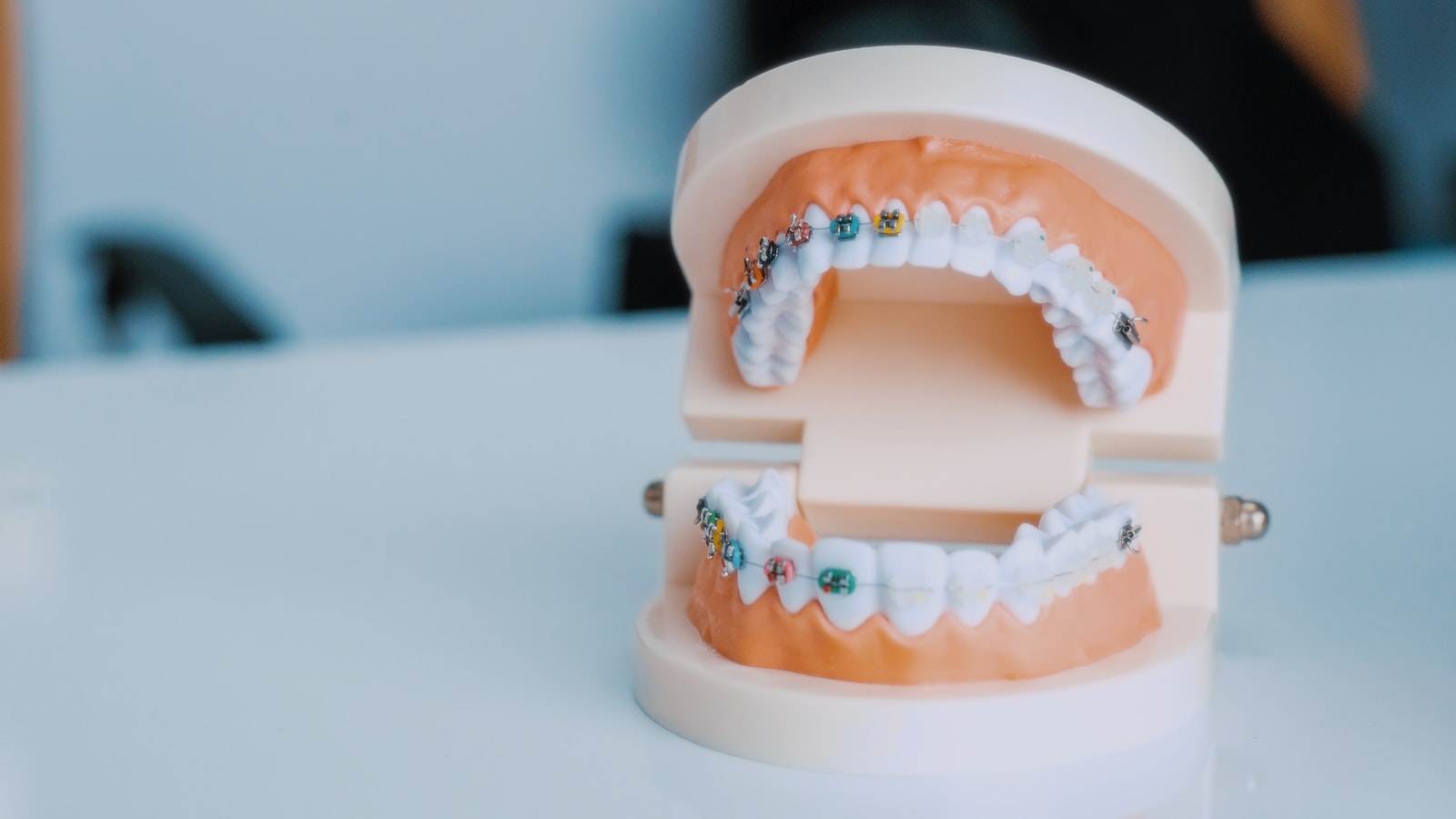

Enamel hypoplasia is a developmental defect where too little enamel forms while a tooth is growing, leaving pits, grooves, thin patches or smaller teeth. It is a quantitative defect, meaning the problem is the amount of enamel rather than its quality. That is the key difference from hypomineralisation, where a normal thickness of enamel forms but is softer and weaker. Both can make a tooth more sensitive and more prone to decay, so recognising which one a child has helps guide care.
Key takeaways
- Enamel hypoplasia means less enamel formed than normal, showing as pits, grooves, or smaller, thin teeth.
- It differs from hypomineralisation (such as MIH), where the enamel is normal in thickness but poor in quality.
- Causes are either hereditary or environmental, including illness during development, preterm birth, and infection of a baby tooth.
- Affected teeth can be sensitive and more prone to decay, so prevention matters.
- Treatment ranges from fluoride and sealants to bonding and crowns, depending on severity.
Hypoplasia versus hypomineralisation
These two terms are often confused. Enamel hypoplasia is a problem of quantity: the enamel-forming cells laid down too little enamel, so the surface has pits, grooves, or is simply thinner. Hypomineralisation is a problem of quality: a normal thickness of enamel formed, but it is under-mineralised and so it looks chalky and chips more easily. The most common example of hypomineralisation is molar incisor hypomineralisation (MIH). A simple visual clue is that hypoplastic enamel often has a rough, pitted surface, while hypomineralised enamel tends to be smooth but discoloured.

What causes enamel hypoplasia
Enamel forms over months, and anything that disturbs the enamel-forming cells during that window can leave a permanent mark. Causes fall into two groups.
| Type | Examples |
|---|---|
| Hereditary | Genetic enamel conditions such as amelogenesis imperfecta |
| Environmental | High fever or illness during tooth development, premature or low-birthweight birth, nutritional deficiencies, certain medicines, and infection or injury of a baby tooth affecting the adult tooth below |
When a single adult tooth is affected after an infected or injured baby tooth, the result is sometimes called a Turner's tooth. Widespread, even mottling across many teeth is more likely to be dental fluorosis, which is a different process.
How it looks and feels
Hypoplastic teeth may show white, yellow, or brown areas, pits and grooves, or a rough surface. Because there is less protective enamel, the teeth can be sensitive to hot, cold, and sweet, and they are more prone to decay and wear. White or brown marks alone are not always hypoplasia; our guide to white spots on teeth covers the other common causes.

How enamel hypoplasia is treated
Treatment depends on how mild or severe the defect is, and on whether a baby or adult tooth is involved. Options include fluoride to strengthen the surface and reduce sensitivity, dental sealants to protect grooved surfaces, tooth-coloured bonding to fill in defects, and crowns for badly affected back teeth. For sensitivity, the measures in our guide to sensitive teeth can help day to day. The aim is to protect the tooth, reduce decay risk, and improve appearance where needed.
Prevention and daily care
You cannot undo enamel that formed thin, but you can protect it. Brushing twice a day with a fluoride toothpaste, limiting sugary snacks and drinks, and regular check-ups all reduce the chance of decay starting in vulnerable enamel. Fluoride varnish applied at the dentist can give extra protection to at-risk teeth.
Frequently asked questions
Is enamel hypoplasia the same as MIH?
No. Hypoplasia means too little enamel formed. MIH is a type of hypomineralisation, where a normal amount of enamel formed but it is soft and chalky.
Can enamel grow back?
Enamel does not regrow once formed, but fluoride can strengthen the surface, and bonding or crowns can restore the tooth where needed.
Does my child need treatment straight away?
Mild cases may just need monitoring and good prevention. More severe defects, especially with sensitivity or decay, usually benefit from earlier treatment.
Will the adult teeth be affected too?
It depends on the cause. A one-off illness may affect only the teeth forming at that time, while a genetic cause can affect many teeth across both sets.
Is it caused by too much fluoride?
Even mottling across many teeth can be fluorosis, which is different from hypoplasia. A dentist can tell them apart and advise on fluoride use.
Speak with the team at Lumi Dental
If you have noticed pits, grooves, or discoloured patches on your child's teeth, the team at Lumi Dental in Melrose Park can assess the enamel and recommend a prevention and treatment plan. Read more about general dental care or view current new-patient offers on the current deals page. Many children are eligible for support through the Child Dental Benefits Schedule.
This article is general information only and is not a substitute for personal dental advice. Please see a dentist for advice about your child's teeth.


