
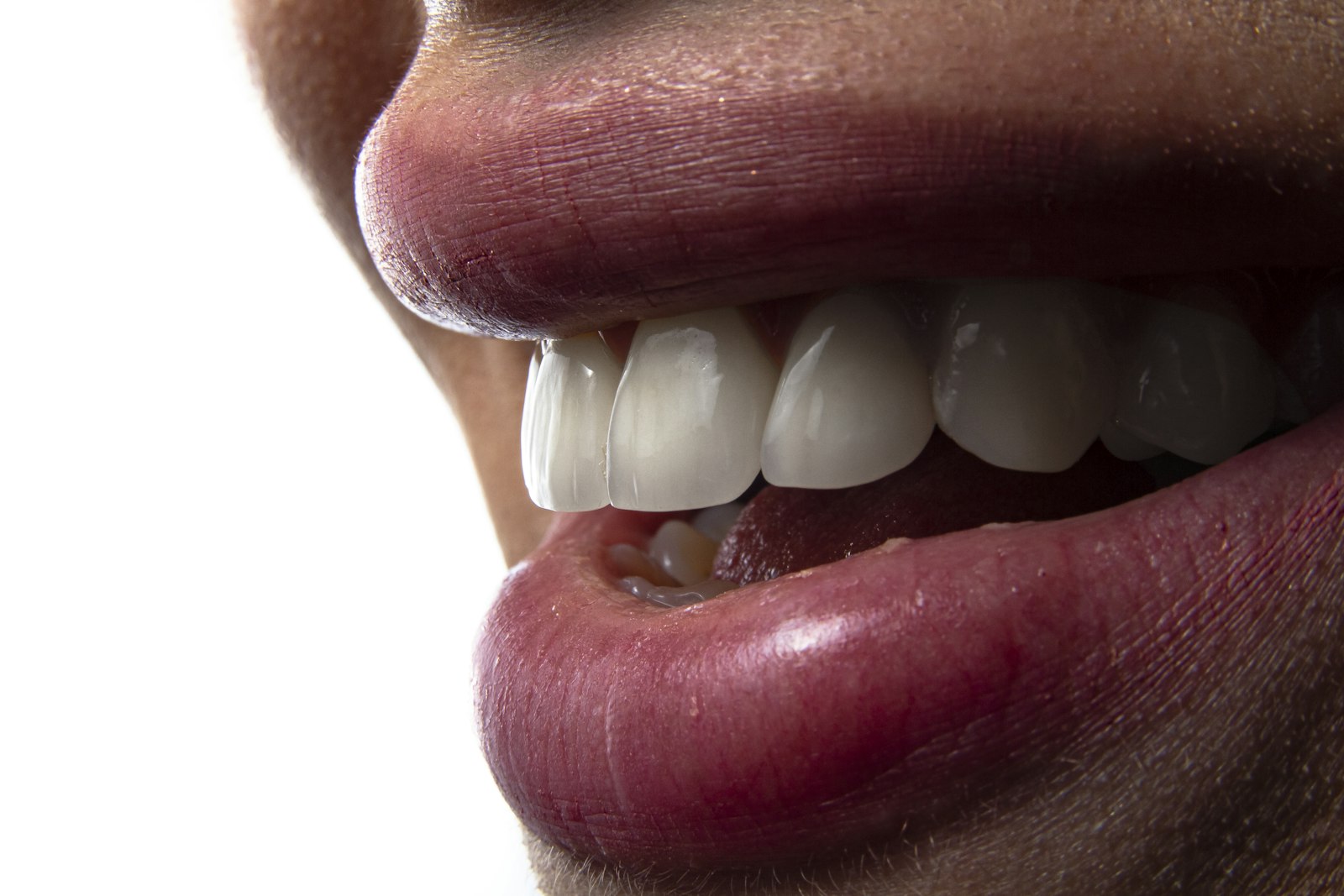

Blotchy teeth after whitening are usually temporary, caused by enamel drying out during bleaching, and the patches typically fade within a few hours to a couple of days as the teeth rehydrate. When the unevenness lasts longer, it is usually showing something that was already there, such as old white spots, fillings that do not bleach, or thin enamel at the edges. Peroxide gels lighten natural tooth structure but have no effect on composite, porcelain or other restorations. Waiting about two weeks before judging the result avoids a lot of unnecessary worry.
Key Takeaways
- Chalky white patches straight after whitening are common and usually settle as enamel rehydrates over hours to a couple of days.
- Existing white spots often stand out more at first, then blend as the surrounding tooth lightens.
- Fillings, bonding, crowns and veneers do not change colour, so they may look darker next to whitened teeth.
- Thin biting edges can look translucent or grey, and exposed roots near the gum line are naturally yellower.
- Poorly fitting strips or trays can leave uneven gel contact and patchy results.
- Give the colour about two weeks to settle before deciding whether anything else is needed.
Why Teeth Can Look Blotchy Straight After Whitening
Enamel is made of tightly packed crystals with tiny spaces between them that normally hold water. During whitening, particularly a longer in-chair session with the lips held back, those spaces lose moisture. Dehydrated enamel scatters light differently and looks whiter and more opaque, and it rarely dries evenly. Areas that were already slightly porous dry out more, so they appear as bright, chalky patches.
This is the most common reason patients notice uneven colour on the first evening. As saliva rehydrates the enamel, the patches tend to soften and merge into the surrounding colour, usually within a few hours to a day or two. Avoiding strongly coloured food and drink during this window helps, because dehydrated enamel can pick up stain more readily.
Pre-existing White Spots and Fluorosis
Many people have faint white marks they never noticed, caused by mild dental fluorosis, early mineral loss around old braces brackets, or developmental differences in the enamel. These areas are more porous than healthy enamel, so they lose water quickly during bleaching and stand out for the first few days.
In many cases the spots become less noticeable once the rest of the tooth has lightened, because there is less contrast between the spot and the background. In my experience, patients who were bothered by white spots before whitening are often happier with them afterwards, although very distinct spots do not disappear with bleaching alone.
Fillings, Bonding and Crowns That Do Not Change
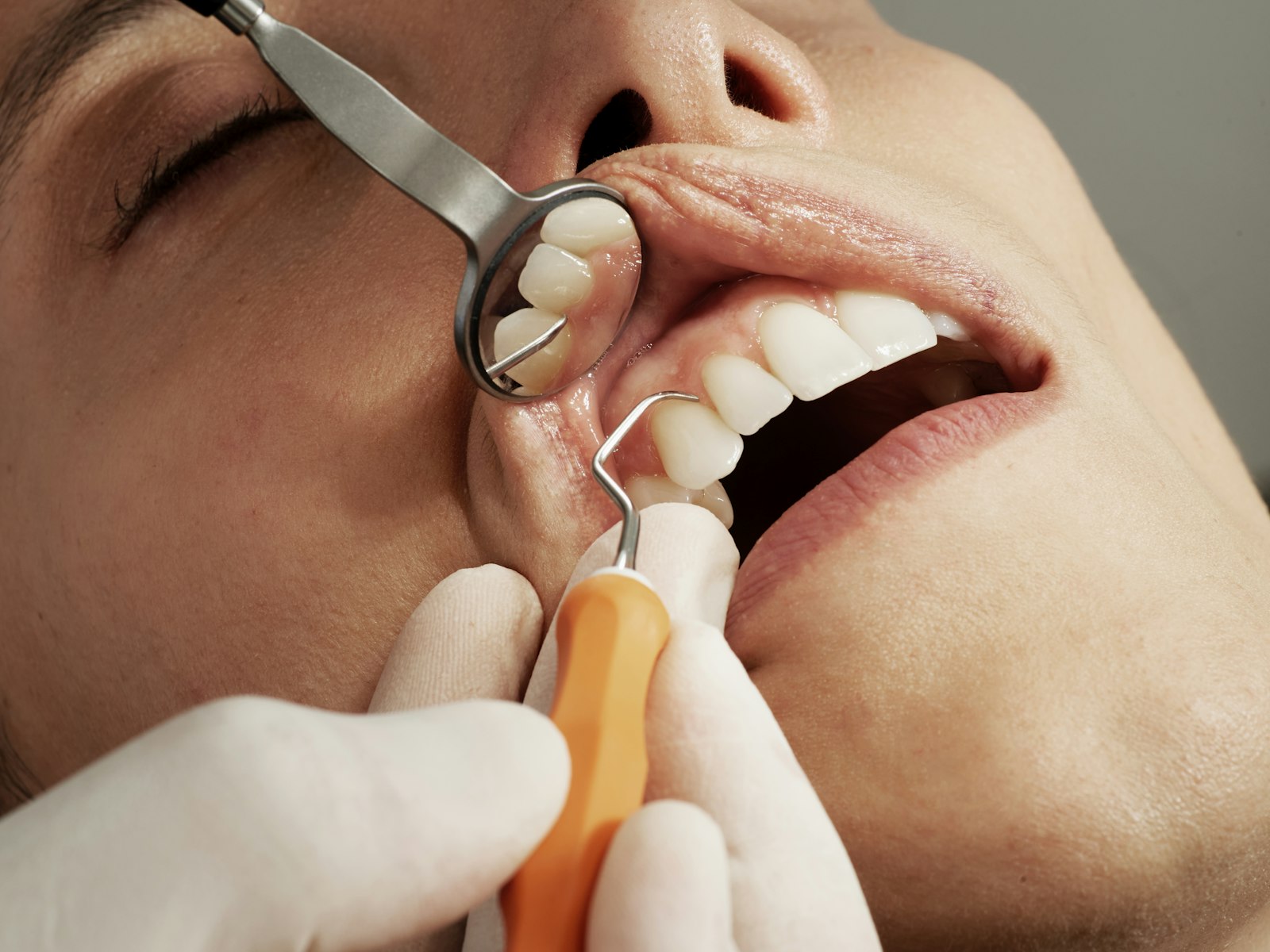
Tooth coloured fillings, composite bonding, crowns and veneers are made from materials that peroxide does not lighten. If they were matched to your old shade, they will look darker or more yellow once the surrounding teeth have whitened. This often shows as a patch or band on a front tooth that patients describe as uneven colour.
The usual approach is to whiten first, allow about two weeks for the colour to settle, then replace or resurface the restorations to match the new shade. Our article on whitening teeth with fillings or bonding explains how that sequence is planned.
Thin Edges, Gum Line Areas and Uneven Gel Contact
Translucent or grey edges
The biting edges of front teeth have little dentine behind the enamel. Because whitening mainly lightens dentine, edges can look more see-through or slightly grey beside a brighter middle third. This is the natural structure of the tooth becoming more visible rather than damage, and it is often more noticeable as enamel thins with age.
Darker areas near the gums
Where gums have receded, the exposed root surface is covered by cementum and dentine rather than enamel. This area is naturally more yellow and tends to lighten less than the crown of the tooth, so a darker band near the gum line can remain. Root surfaces are also more prone to sensitivity, so gel is usually kept away from them where possible. If the band bothers you once the colour has settled, the gum line can be assessed and other options discussed.
Patchy gel contact
Whitening strips that do not reach between crowded teeth, or trays that sit loosely, can leave some surfaces with more gel contact than others. Overlapped teeth and areas where a strip folded may lighten less. Our guide to home whitening trays, strips and pens compares how evenly each delivers gel.
Cause, What Usually Happens and What Helps
| Cause of uneven colour | Typically resolves on its own? | What may help |
|---|---|---|
| Enamel dehydration after whitening | Yes, usually within hours to a couple of days | Time, and avoiding strong stains for a day or two |
| Pre-existing white spots or mild fluorosis | Often blends partly as the tooth lightens | Microabrasion or resin infiltration if spots remain |
| Fillings, bonding, crowns or veneers | No | Replace or resurface to match once shade settles |
| Thin, translucent edges | No, this is natural structure | Bonding to the edge if it bothers you |
| Exposed root surfaces near the gums | Usually only partly | Assessment of the gum line, bonding in some cases |
| Uneven gel contact from strips or trays | Not fully | Continue with well fitting trays to even out colour |
If Your Teeth Look Uneven, Wait Before You Act
A simple rule: if your teeth look patchy in the first few days, wait one to two weeks before judging the result. Most dehydration related blotchiness has settled by then, and the shade you see is a fair basis for any next step.
If you are using custom trays, continuing to wear them as directed, with an even thin layer of gel in each tooth space, often evens out colour that started unevenly. Stop and seek advice if you notice marked sensitivity, gum irritation or a single tooth that seems to be darkening rather than lightening.
For white spots that are still visible once the colour has settled, two conservative options are commonly used. Enamel microabrasion gently removes a very thin surface layer containing superficial marks. Resin infiltration fills the porous enamel with a light flowing resin so it reflects light more like the surrounding tooth. Both are usually planned after whitening rather than before.

Reducing the Chance of Patchy Results
A few steps before whitening make an uneven outcome less likely. A check up and clean removes surface stain and tartar so gel reaches the tooth evenly. Identifying visible fillings or bonding in advance means you know they will need matching later. Custom trays made from a scan of your teeth tend to hold gel more evenly than one size fits all strips, particularly where teeth are crowded. Starting with a recorded shade also gives you something objective to compare against when the colour settles.
Common Questions
How long do white spots last after teeth whitening?
Spots caused by dehydration usually fade within a few hours to two days. Spots that are still obvious after about two weeks are more likely to be pre-existing marks that whitening has made easier to see.
Why is one tooth darker than the others after whitening?
The most common reason is a filling, crown or veneer that does not bleach. A tooth that has had root canal treatment or a past knock can also darken from the inside and may need a different approach.
Should I keep whitening if my teeth look patchy?
If you are using trays prescribed by your dentist, continuing as directed often evens out the colour. Avoid adding extra sessions or stronger products on your own, as this mainly increases sensitivity.
Can white spots be removed after whitening?
Many can be improved. Microabrasion and resin infiltration are conservative options, and bonding may be used for deeper marks once the shade has settled.
Are blotchy teeth after whitening a sign of damage?
In most cases, no. Temporary patchiness reflects water loss from enamel rather than harm, though ongoing pain or sensitivity should be checked by a dentist.
Talk to the Team at Lumi Dental
If your teeth still look uneven a couple of weeks after whitening, or you would like to plan whitening so the colour comes out as even as possible, the team at Lumi Dental in Melrose Park can assess what is causing the patches and talk through suitable options. Book a complimentary cosmetic consult or learn more about teeth whitening at Lumi Dental. Patients visit from Ryde, Parramatta, Ermington, Rydalmere and nearby suburbs.


