
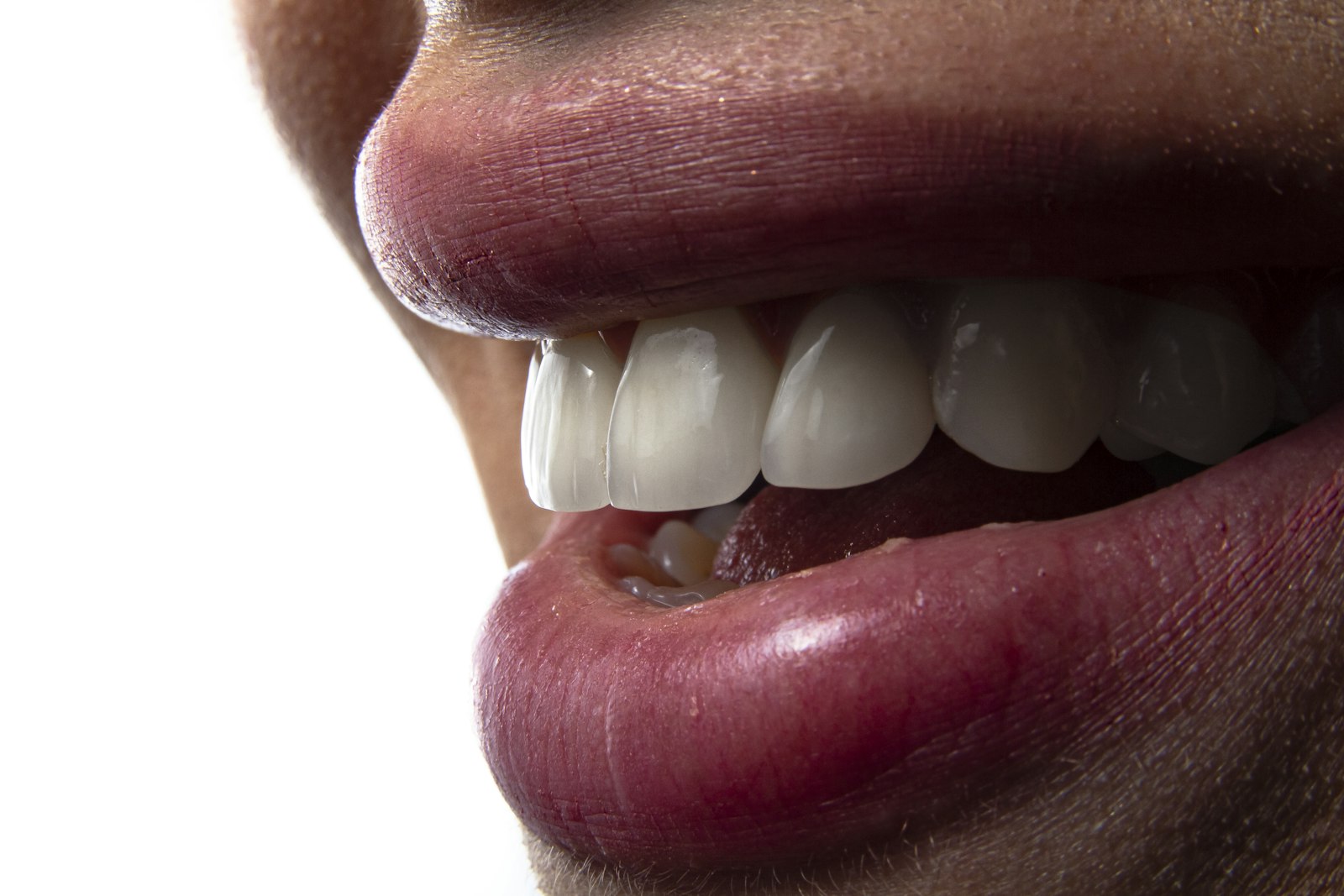

Veneers on bottom teeth can work well for the right person, but they are less common than upper veneers because lower front teeth are smaller, have thinner enamel and sit behind the upper teeth when you bite. If you are wondering whether veneers on bottom teeth make sense for your smile, the answer usually depends on how much tooth structure you have to work with, how your teeth meet, and whether a simpler option such as aligners or whitening could get you most of the way there. This guide walks through when lower veneers tend to suit and when another approach may be the better first step.
Key Takeaways
- Lower incisors are the smallest teeth in the mouth and have thinner enamel, so there is less room for tooth preparation.
- In a normal bite the upper teeth overlap the lowers, so any added thickness on the bottom teeth can affect how your teeth meet.
- Lower teeth often become more visible with age as the lips relax, which is one reason people start asking about them.
- Crowding of the lower front teeth is common, and clear aligners are often considered before veneers. See our guide to veneers vs Invisalign for crooked teeth.
- Composite veneers may suit lower teeth well because they typically need little or no preparation.
- Grinding or an edge to edge bite raises the risk of chipping, so a night guard is commonly advised.
Why Bottom Teeth Are Different From Top Teeth
Most veneer conversations start with the upper front teeth, because those are the teeth that show most when you smile and speak. The lower front teeth play a different role. They are narrower, shorter and thinner from front to back, and the enamel covering them is thinner too. Enamel matters for veneers because porcelain bonds most reliably to enamel rather than to the dentine underneath.
Here is one simple rule that helps frame the decision: the less enamel you have to spare, the more conservative the treatment should be. On lower teeth, that often points towards minimal preparation or no preparation at all. If you want to understand what preparation involves, our article on how much tooth is removed for veneers explains it in more detail.
The bite factor
In a typical bite, the upper front teeth sit slightly in front of and over the lower front teeth. That means the front surface of your lower teeth is close to the back surface of your upper teeth. Adding even a small amount of thickness to the lowers can change how they meet, which may lead to the veneers taking more force than expected, or to the upper teeth being pushed slightly forward over time. A careful bite assessment is part of planning any lower veneer case.
Upper vs Lower Veneers Compared
The table below summarises the main differences between veneering upper and lower front teeth.
| Factor | Upper front teeth | Lower front teeth |
|---|---|---|
| Tooth size | Larger and wider, more surface to bond to | Smallest teeth in the mouth, narrow and short |
| Enamel thickness | Generally thicker, more room for preparation | Thinner, little room to remove tooth structure |
| Visibility | Main teeth on show in most smiles | Often show more with age as the lips relax |
| Bite forces | Overlap the lowers in a normal bite | Sit behind the uppers, so added thickness can affect the bite |
| Common alternative | Whitening, bonding or aligners depending on the concern | Clear aligners for crowding, whitening for colour, composite for small chips |
When Veneers on Bottom Teeth Make Sense
In my experience, lower veneers tend to be worth considering in a few specific situations:
- Worn or chipped edges: lower incisors can wear down with age or grinding, leaving them short, uneven or translucent at the edges. Veneers, often composite, can rebuild the shape once the cause of wear is managed.
- Colour that does not respond to whitening: some staining, such as certain internal discolouration, may not lift with bleaching. A thin veneer can mask it.
- Matching a full smile makeover: when upper veneers are planned and the lower teeth are clearly visible, treating both arches can help the result look balanced.
- Small gaps or shape differences: where teeth are straight but slightly uneven in size, adding material can even them out without drilling.
In each case the plan usually starts with the least invasive option that can achieve the goal. Our guide to composite bonding vs veneers covers where that line often sits.

When Lower Veneers May Not Be the Right First Step
Crowded lower teeth
Crowding of the lower front teeth is very common. Veneers can sometimes disguise mild crowding, but doing so may mean removing more tooth structure from already small teeth. Straightening the teeth first with clear aligners often keeps more natural tooth intact, and some people find that once the teeth are aligned and whitened, they no longer want veneers at all.
Grinding and edge to edge bites
If you clench or grind (bruxism), or your front teeth meet edge to edge rather than overlapping, the lower front teeth take a lot of direct force. That raises the risk of veneers chipping or debonding. It does not always rule veneers out, but it changes the material choice and the aftercare. A night guard is commonly advised, and our article on night guards vs mouthguards explains the difference.
Gum and bone health
Lower front teeth sit close to where tartar tends to build up, so gum health needs to be stable before any cosmetic work. Veneer edges near inflamed gums can be harder to keep clean.
Porcelain or Composite on Lower Teeth?
Both materials can be used on bottom teeth, and each has trade offs. Porcelain is very stain resistant and holds its polish well, but it usually needs some preparation and is made in a lab. Composite resin is applied and shaped directly on the tooth, typically needs little or no preparation, and can be repaired if a corner chips. For lower teeth with thin enamel, composite veneers may suit well for that reason.
Longevity also differs. Porcelain often lasts longer before replacement, while composite may need polishing or touch ups over time. Our article on types of veneers compared goes into more detail, including how long each material typically lasts.
General cost ranges in Sydney
As a general guide only, Sydney market ranges per tooth are often around $1,500 to $2,800 for porcelain veneers and around $400 to $1,000 for composite veneers. These are general market ranges that vary between practices and between cases, depending on the number of teeth, preparation needed and any treatment required beforehand. For the bigger picture, see our smile makeover cost guide.
Colour Matching: Should You Veneer Only the Top Teeth?
Many people choose veneers on their upper teeth only, because those are the teeth that show most. That can work well, but it can also create a colour mismatch if the new upper veneers are brighter than the natural lower teeth. A common approach is to whiten the lower teeth first, then match the upper veneers to that whitened shade. Because porcelain does not respond to bleaching, the whitening needs to happen before the veneer shade is chosen.
The team at Lumi Dental offers teeth whitening that can be planned alongside cosmetic work so the shades line up.
Caring for Veneers on Bottom Teeth
Lower veneers sit in an area where plaque and tartar build up quickly, close to the openings of the salivary glands. Good daily care helps them last:
- Brush twice daily with a soft brush and non abrasive toothpaste.
- Clean between the teeth daily with floss or interdental brushes.
- Wear a night guard if you grind.
- Avoid biting hard objects such as pens, ice or fingernails with your front teeth.
- Keep up regular check ups and professional cleans.
Common Questions
Can you get veneers on just your bottom teeth?
Yes, you can, although it is less common. Lower veneers alone may suit people with worn, chipped or discoloured lower teeth where the upper teeth already look the way they want.
Do bottom veneers look natural?
They can look natural when the shape, thickness and shade are planned carefully. Because lower teeth are small, keeping veneers thin is usually key to a natural look and a comfortable bite.
Are veneers on bottom teeth more likely to chip?
They can be, particularly with grinding or an edge to edge bite, because the lower front teeth take direct force. A bite assessment and a night guard may reduce that risk.
Should I straighten my bottom teeth before getting veneers?
Often, yes. If the lower teeth are crowded, aligners are commonly considered first because they can preserve more natural tooth structure, and some people decide veneers are no longer needed.
Why are my bottom teeth showing more as I get older?
As the lips and facial tissues relax with age, the upper teeth tend to show less and the lower teeth more. This is a normal change and one reason people start asking about the look of their lower teeth.
Talk Through Your Options at Lumi Dental
If you are considering veneers on bottom teeth, a careful assessment of your enamel, bite and smile line is the best place to start. The team at Lumi Dental in Melrose Park, Sydney offers a complimentary cosmetic consult where we can look at whether veneers, aligners, whitening or bonding suits your goals, and provide a written quote. You can learn more about our cosmetic dentistry services, and check current deals for any offers available.
This article is general information only and is not a substitute for personalised advice from a registered dental practitioner.


