


Warehouse and logistics workers can protect their teeth by planning meals around shifts, swapping vending machine snacks and energy drinks for water and tooth-friendlier options, and knowing what to do if a tooth is knocked or chipped at work. Irregular breaks, dry dusty air, heat and pick-rate pressure all make warehouse worker dental health harder to look after. This guide from Lumi Dental in Melrose Park, Sydney, explains the common risks and gives practical steps you can use on the floor.
Key Takeaways
- Irregular meal breaks often lead to grazing on vending machine snacks, which keeps teeth exposed to sugar and acid for long periods.
- Energy drinks are frequently high in sugar and acid, and sipping them across a shift can contribute to decay and enamel wear.
- Dust, dry air, heat and dehydration can reduce saliva, which is one of the mouth's main protections.
- Knocks to the face from manual handling, loads or equipment can chip, crack or dislodge teeth, and quick first aid can make a difference.
- Clenching under time pressure and pick-rate targets can wear teeth and cause jaw and head pain.
- A well-fitted mouth guard may be worth considering for high-risk tasks, and a dentist can advise on options.
Why Warehouse Work Is Hard on Teeth
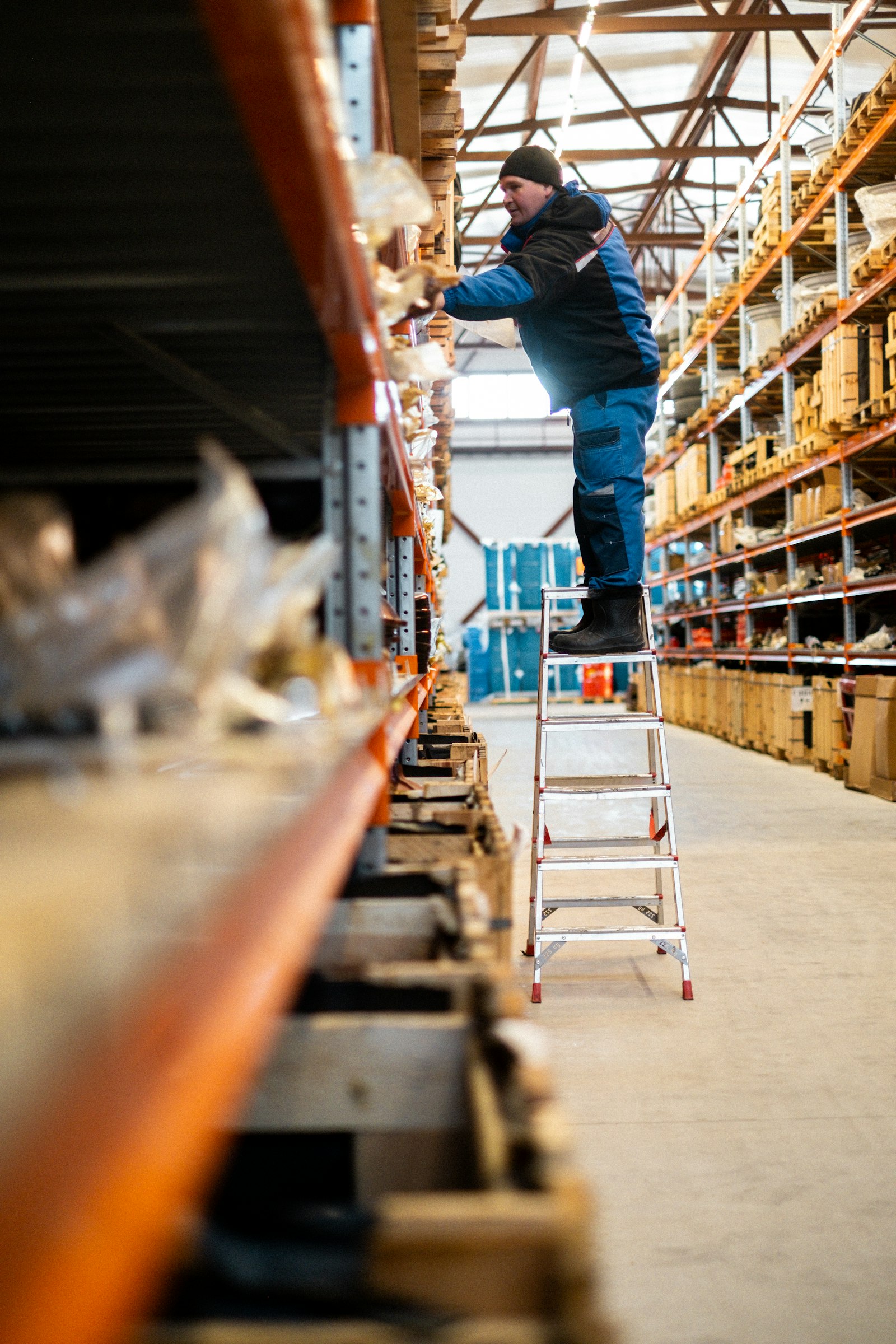
Warehouse and logistics work rewards speed and consistency. Meal breaks may change with the roster, and shifts can start early, run late or rotate. When the day is built around pick rates, dispatch cut-offs and loading windows, a proper meal can slip and a snack from the vending machine takes its place.
The environment adds to this. Large sheds can be dry, dusty and hot, and workers may spend hours moving without a drink. None of these factors is dramatic on its own. Together, they can steadily affect saliva, enamel and gum health.
Irregular Breaks and Vending Machine Grazing
Teeth cope best with meals and gaps in between, because saliva needs time to neutralise acid and repair the enamel surface. Grazing on chips, biscuits, lollies or muesli bars through a shift removes those gaps. Sticky snacks tend to stay on the teeth longer, and sweet foods feed the bacteria that produce acid.
This does not mean you must give up snacks. Small changes can help:
- Pack a few options from home: nuts, cheese, fruit, a sandwich or yoghurt.
- Have snacks at set times rather than continuously.
- Finish a snack with water to help rinse the mouth.
- Keep a small travel toothbrush or sugar free gum in your locker.
Shift patterns matter here too. Our article on shift work and night shift oral health covers how disrupted routines affect brushing, eating and sleep.
Energy Drinks, Dehydration, Heat and Dry Air
Energy drinks
When shifts are long or start early, an energy drink is a common pick-me-up. Many are sugary, acidic or both, and sipping one slowly means the teeth are bathed in it for hours. Research has found that frequent energy and sports drink use is associated with enamel erosion. Our guide to sports and energy drinks and your teeth goes into the detail, including sugar free versions, which can still be acidic.
Dust, dry air and heat
Warehouses can be hot in warm weather and dry all year, and dust is common around cardboard, pallets and dock doors. Breathing through the mouth while working hard can dry the tissues further. If you often finish a shift with a sticky mouth, thirst or bad breath, low saliva may be part of the picture.
Simple hydration habits
Water is the best drink for teeth. Keep a bottle at your station or in the vehicle, sip often rather than gulping, and choose water over an energy drink when you can. Employers typically must provide access to drinking water, so ask your supervisor if it is hard to reach. Those working outdoors or on loading docks may need extra fluids on hot days. Our article on long-haul truck drivers' dental health shares similar hydration and snack advice for people on the road.
Clenching Under Time Pressure
Pick-rate targets, deadlines and heavy repetition can lead many people to clench their jaw without noticing. Over months, this may cause sore jaw muscles, tension headaches, flattened tooth edges and sensitivity. Some patients I see first notice it as a morning headache or a tight jaw at the end of a shift.
Ways to reduce clenching include:
- Checking your jaw at set points in the shift: lips together, teeth apart.
- Using short micro breaks to relax the shoulders and neck.
- Limiting caffeine and energy drinks late in a shift.
- Asking your dentist about a custom night guard if you wake with a sore jaw.
Our article on jaw clenching vs teeth grinding explains the difference and what treatment can involve.
Knocks to the Face, Chipped Teeth and PPE
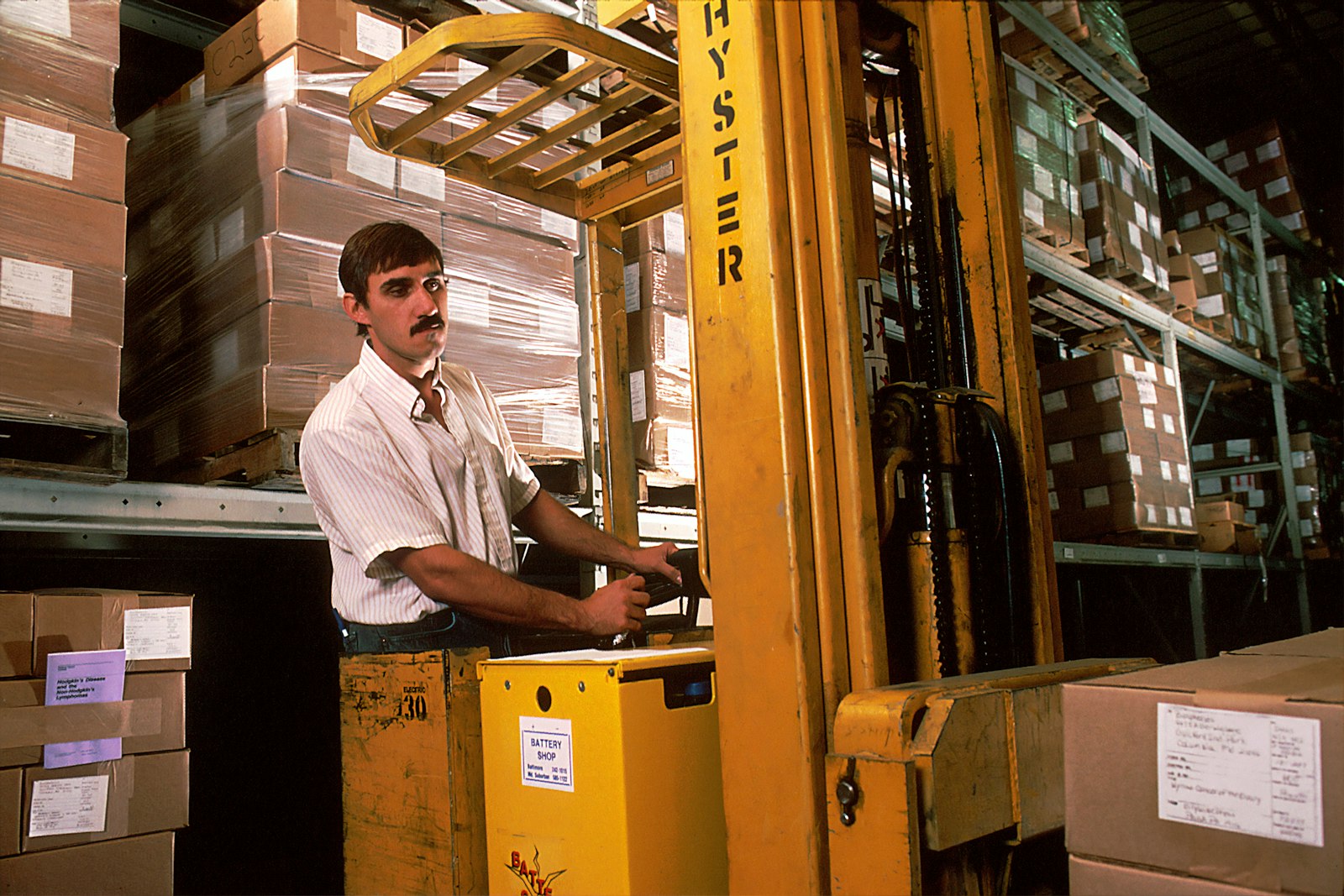
Forklifts, pallets, overhead loads and manual handling can all lead to sudden knocks to the mouth. A swinging strap, a slipped box or a fall can be enough to chip or loosen a tooth. Head and face protection required on site, such as helmets and face shields where risk assessments call for them, may reduce the chance of injury. A custom mouth guard is not usually a standard part of warehouse PPE, but it may be worth discussing with a dentist if your role has a higher risk of impact.
If a tooth is injured at work, the incident may also need to be reported and recorded. Our guide to dental injury at work, first aid and workers compensation in NSW covers reporting and the general process. Cracked teeth that do not hurt straight away can still cause problems later, as described in our article on cracked tooth syndrome.
Tooth emergency first-aid steps
- Make the area safe and follow your workplace first-aid procedure. Serious head injury, loss of consciousness, heavy bleeding or breathing difficulty needs an ambulance first.
- If a permanent tooth is knocked out, pick it up by the crown (the white part), not the root.
- If it is dirty, rinse it very briefly with milk or saline. Avoid scrubbing or wiping the root.
- If the person is alert and cooperative, the tooth can sometimes be placed gently back in its socket and held there. Otherwise, store it in cold milk.
- Contact a dentist immediately. Teeth seen quickly typically have a better chance of being saved.
- For a chipped tooth, keep any fragment in milk and bring it along.
Common Workplace Scenarios and What to Do
This table is a general guide only. In an emergency, follow your workplace procedure and seek urgent help.
| Scenario | What may be happening | What to do |
|---|---|---|
| Permanent tooth knocked out by a swinging load | The tooth is out of its socket and the root is exposed | Hold by the crown, rinse briefly with milk or saline, reinsert if appropriate or store in milk, and see a dentist immediately |
| Chipped front tooth after a box slips | A piece of enamel or dentine has broken off | Keep the fragment in milk, rinse the mouth gently, avoid biting on it, and book a dental visit promptly |
| Tooth feels loose or pushed out of position | The supporting tissue may be injured | Avoid biting on it, keep the area clean and see a dentist as soon as possible |
| Cut lip or cheek with bleeding | Soft tissue injury, possibly with a tooth injury underneath | Apply gentle pressure with clean gauze, then have the mouth checked for tooth damage |
| Sore jaw and headache at end of shift | Clenching under time pressure may be contributing | Try jaw relaxation breaks, and ask a dentist about wear and a night guard |
| Sticky, dry mouth and thirst on hot days | Dehydration and mouth breathing may be lowering saliva | Sip water regularly, use sugar free gum, and mention persistent dryness at a check up |
| Constant grazing and energy drinks through the shift | Frequent sugar and acid exposure | Move to set snack times, pack tooth-friendlier snacks and choose water over energy drinks |
Common Questions
What should I do if a tooth is knocked out at work?
Handle it by the crown only, rinse it briefly with milk or saline, and get to a dentist immediately, ideally with the tooth stored in milk. Reinserting it can sometimes be done on the spot if the person is alert.
Are energy drinks bad for my teeth?
They can be. Many contain sugar and acid, and sipping them over hours is harder on enamel than drinking one quickly with a meal. Water is a better everyday choice.
Why does my jaw hurt after a warehouse shift?
Clenching under time pressure and physical strain is a common cause. Teeth grinding or clenching can also happen during sleep. A dentist can check for wear and discuss options.
Should warehouse workers wear a mouth guard?
It depends on the tasks and the risk of impact. A custom mouth guard is not usually standard warehouse PPE, but a dentist can advise if you have a higher risk of knocks or if you clench heavily.
How can I look after my teeth on irregular shifts?
Brush with fluoride toothpaste before and after your shift where possible, clean between teeth daily and keep water with you. Try to have set meal and snack times rather than grazing.
Does dry air in a warehouse affect my mouth?
It may. Dry air, dust and mouth breathing can reduce moisture in the mouth, and low saliva typically raises the risk of decay and gum problems. Regular water sips can help.
Book a Check Up at Lumi Dental
If you work in a warehouse or logistics role, the team at Lumi Dental in Melrose Park, Sydney, can check for wear, decay and gum health, and talk through a plan that suits your roster. See our current deals for new patients, or learn more about our general dentist services in Melrose Park. You are welcome to ask for a free consult and a written quote before any treatment. If you have had a tooth injury, contact us as soon as possible. Our guide for FIFO mining workers has more on managing dental care around demanding rosters.


