
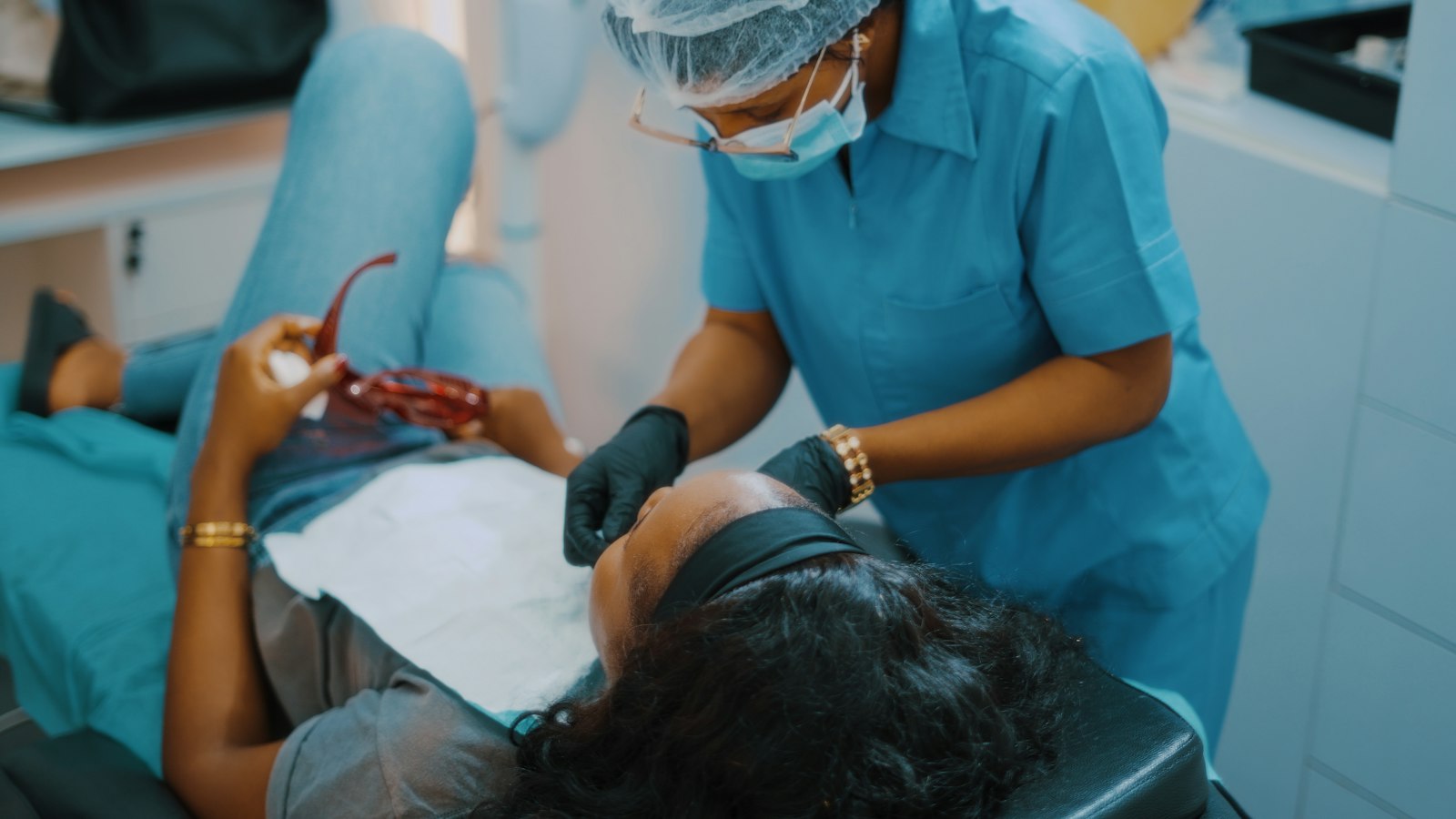

A dental clean with warm water is often more comfortable for people with sensitive teeth, because cold water on exposed dentine is one of the most common triggers of the sharp twinge people feel during a clean. Many modern cleaning units can warm the water used for air polishing and scaling, and this small change can make a noticeable difference.
If you have put off cleans because they feel uncomfortable, this guide explains why sensitivity happens during a clean and what can be done to make the appointment easier.
Key takeaways
- Sensitivity during a clean is usually caused by cold water, air or touch on exposed dentine.
- Warming the water closer to body temperature can reduce that trigger.
- Air polishing with a fine powder is often gentler than a rubber cup and gritty paste.
- Desensitising toothpaste used for two to four weeks beforehand may help.
- Tell the team about sensitivity when you book so the clean can be planned around it.
Why teeth feel sensitive during a clean
Under the enamel is a layer called dentine, which contains tiny fluid-filled tubes leading towards the nerve. When dentine is exposed, through gum recession, worn enamel or a crack, sudden changes in temperature move the fluid in these tubes and the nerve registers a short, sharp pain. Cold water and blasts of air are the most common triggers during a clean.
Our guide to sensitive teeth covers the causes in more detail, including when sensitivity may point to decay or a cracked tooth.
How warm water helps
Most dental units spray water at room temperature or cooler. Some newer units can warm the water for both the ultrasonic scaler and the air polisher. Water that is closer to the temperature inside your mouth causes less movement in the dentine tubes, so the trigger is reduced.
At Lumi Dental we use a Woodpecker PT-E unit, which warms the water for both air polishing and scaling and lets the clinician adjust the temperature. You can read more in our article on air polishing stain removal at Lumi Dental.
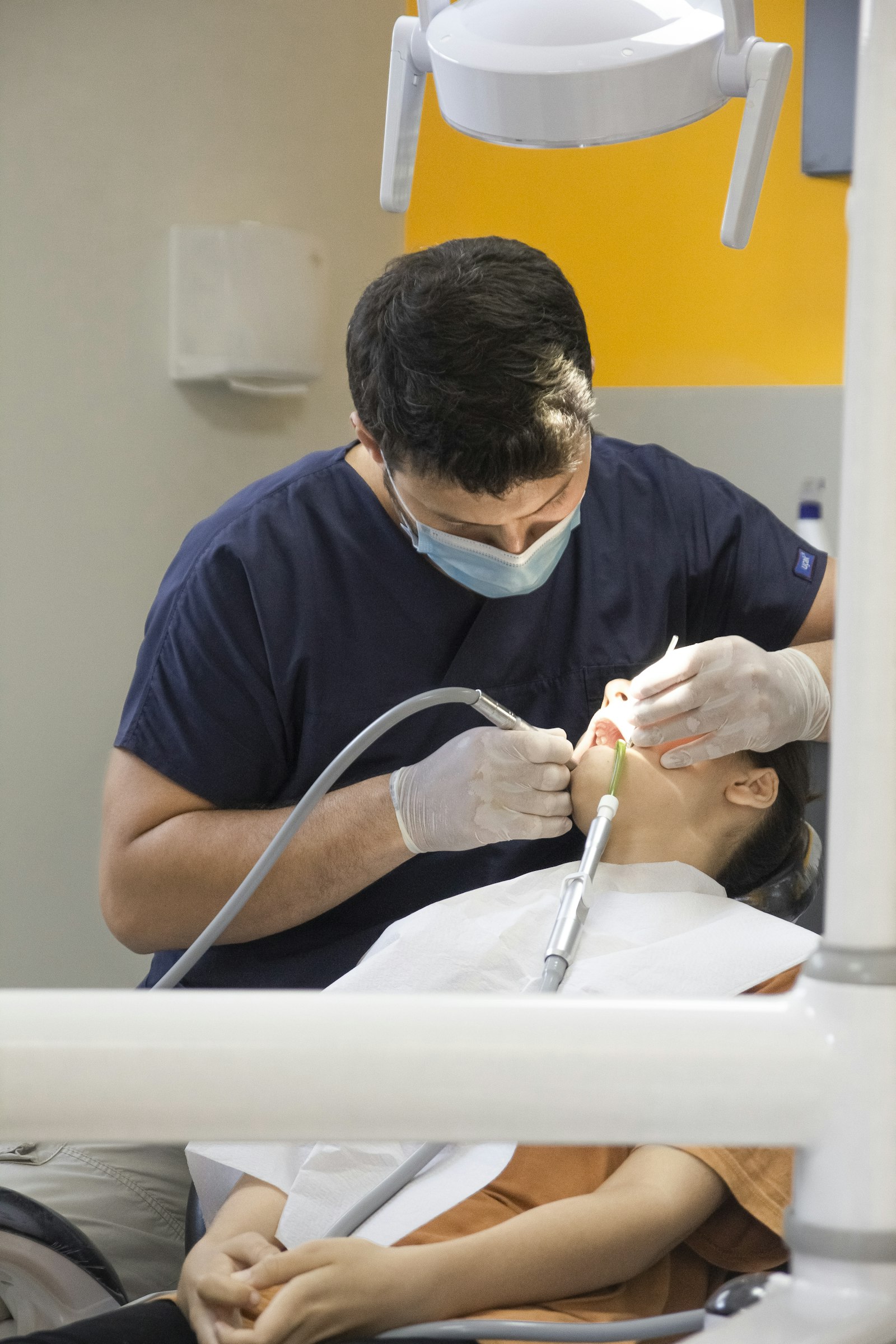
Other ways to make a clean more comfortable
| Option | How it helps |
|---|---|
| Warm water | Reduces the cold trigger on exposed dentine |
| Air polishing with fine powder | Lifts plaque and stain with less scraping and pressure |
| Lower scaler power settings | Gentler vibration on sensitive areas |
| Desensitising toothpaste beforehand | Helps block the dentine tubes over a few weeks |
| Topical numbing gel | Can settle sensitive gum areas |
| Breaks during the clean | Raise a hand at any time to pause |
Before your appointment
- Use a toothpaste for sensitive teeth twice a day for two to four weeks. Spit, but do not rinse, after brushing.
- Keep brushing and cleaning between your teeth gently, even if gums bleed a little. Bleeding often settles as gums become healthier.
- Tell the team about sensitivity, any areas that feel worse and any past experiences that were uncomfortable.
If anxiety is part of the picture, our page on care for nervous patients explains the extra support available.
After your clean
It is normal for gums to feel a little tender for a day or two, especially if there was tartar below the gum line. Teeth can also feel slightly more sensitive for a short time once tartar is removed from exposed root surfaces. This usually settles within a few days. Our guide to sore gums after a scale and clean explains what is normal and when to call.
Why regular cleans still matter
It can be tempting to skip cleans because they feel uncomfortable, but tartar build-up and gum inflammation can make sensitivity worse over time, as gums recede and more dentine is exposed. A more comfortable clean makes it easier to keep up regular visits, which helps protect the gums in the long run.
Frequently asked questions
Does a warm water clean cost more?
Warm water is a feature of the equipment rather than a separate treatment. Ask the clinic you are visiting how they charge for cleans.
Is air polishing good for sensitive teeth?
Air polishing with a fine, low-abrasive powder is generally gentle and well tolerated. Combined with warm water, many people with sensitivity find it more comfortable than a traditional polish.
Can I ask for numbing during a clean?
Yes. If some areas are very sensitive, numbing gel or local anaesthetic can be used. Mention it when you book.
Why are my teeth more sensitive after a clean?
Removing tartar can expose root surfaces that were covered. Sensitivity from this usually settles within a few days.
Will sensitivity toothpaste help before a clean?
It may help if used consistently for two to four weeks beforehand.
Book a comfortable clean
The team at Lumi Dental in Melrose Park can plan your clean around sensitivity. Book through our general dentistry page, and see current new patient offers on the current deals page.
This article is general information and does not replace a personal assessment by your dentist.







