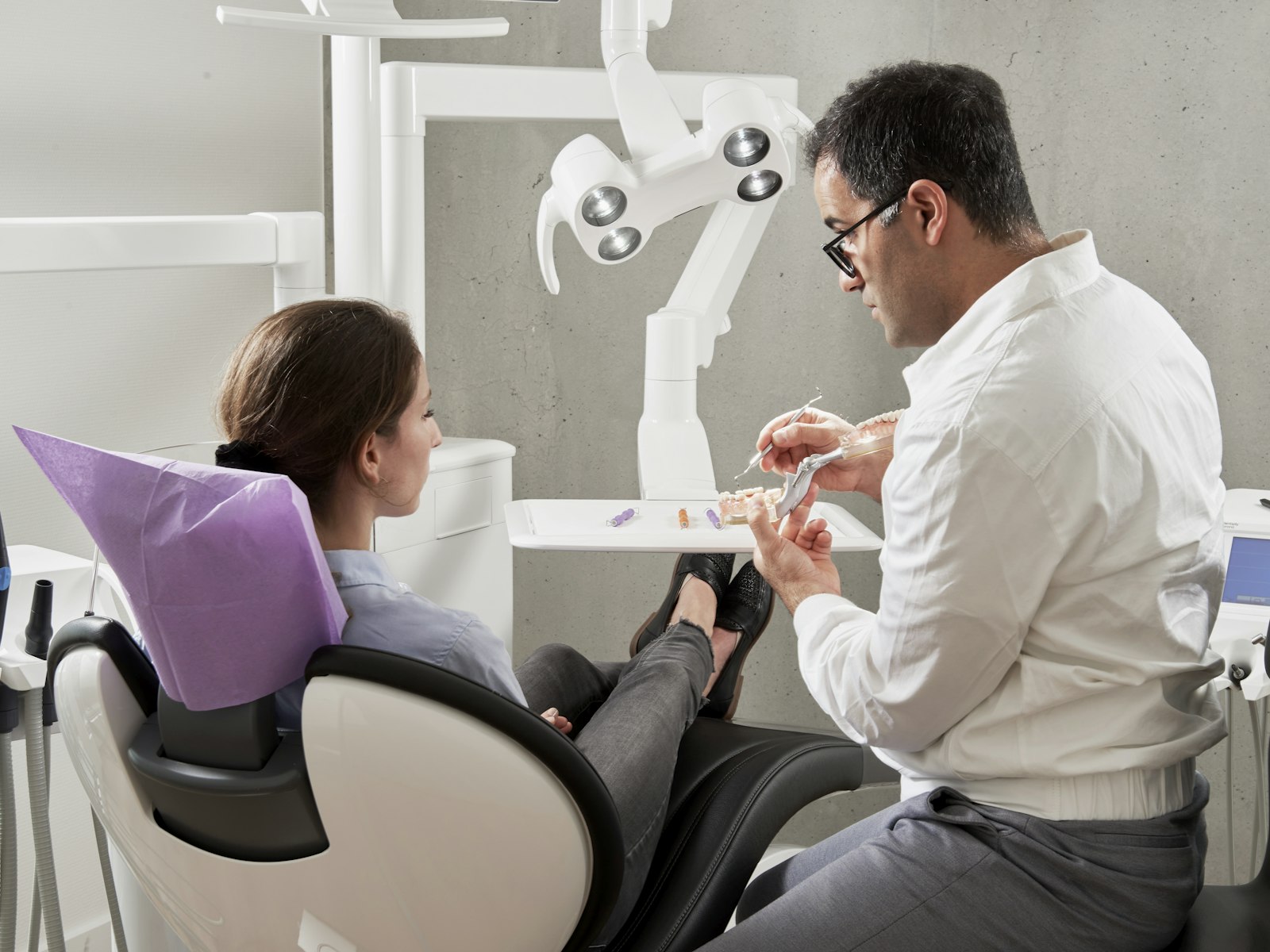

Yes, Lumi Dental offers air polishing for stain removal. Our clinic at Melrose Central, 35 Hope St, Melrose Park uses a Woodpecker PT-E unit, which combines air polishing with warmed water and an ultrasonic scaler in one machine. Air polishing uses a fine spray of air, warm water and a low-abrasive powder to lift plaque and surface stain from teeth, including the dark staining that builds up on the inside and outside of front teeth.
This page explains what the treatment involves, what it can and cannot remove, and how it fits into a regular scale and clean at Lumi Dental. We see patients from Melrose Park, Ermington, Rydalmere, Wentworth Point, Rhodes and Meadowbank.
Key takeaways
- Lumi Dental offers air polishing as part of a professional clean, using the Woodpecker PT-E air polishing and ultrasonic scaling unit.
- The unit warms the water for both air polishing and scaling, which many people with sensitive teeth find more comfortable than cold water.
- Air polishing is well suited to surface stain from coffee, tea, red wine, smoking and some mouthwashes, and to dark stain around the gum line.
- It removes stain on the surface of the tooth. It does not change the natural colour of the tooth underneath, which is what whitening does.
- Hardened tartar is still removed with the ultrasonic scaler, so the two work together.
What air polishing is
A traditional polish uses a small rubber cup and a gritty paste. Air polishing replaces the cup with a handpiece that directs a controlled stream of air, warm water and very fine powder at the tooth surface. The powder particles loosen plaque and stain, and the water carries them away.
Because the spray reaches into grooves, between teeth and along the gum line, it can clean areas that a polishing cup struggles to reach. This makes it particularly useful for stubborn stain that sits in the small spaces between front teeth, around braces, and on the back surfaces of lower front teeth.
The powders
Different powders suit different jobs. Glycine and erythritol powders are very fine and low in abrasiveness, so they are often chosen for routine plaque removal, for areas near the gums, and around implants and fillings. Sodium bicarbonate powder is coarser and is sometimes used on healthy enamel when stain is heavier. Your clinician chooses the powder based on your teeth, gums and any dental work you have.
Why warm water matters
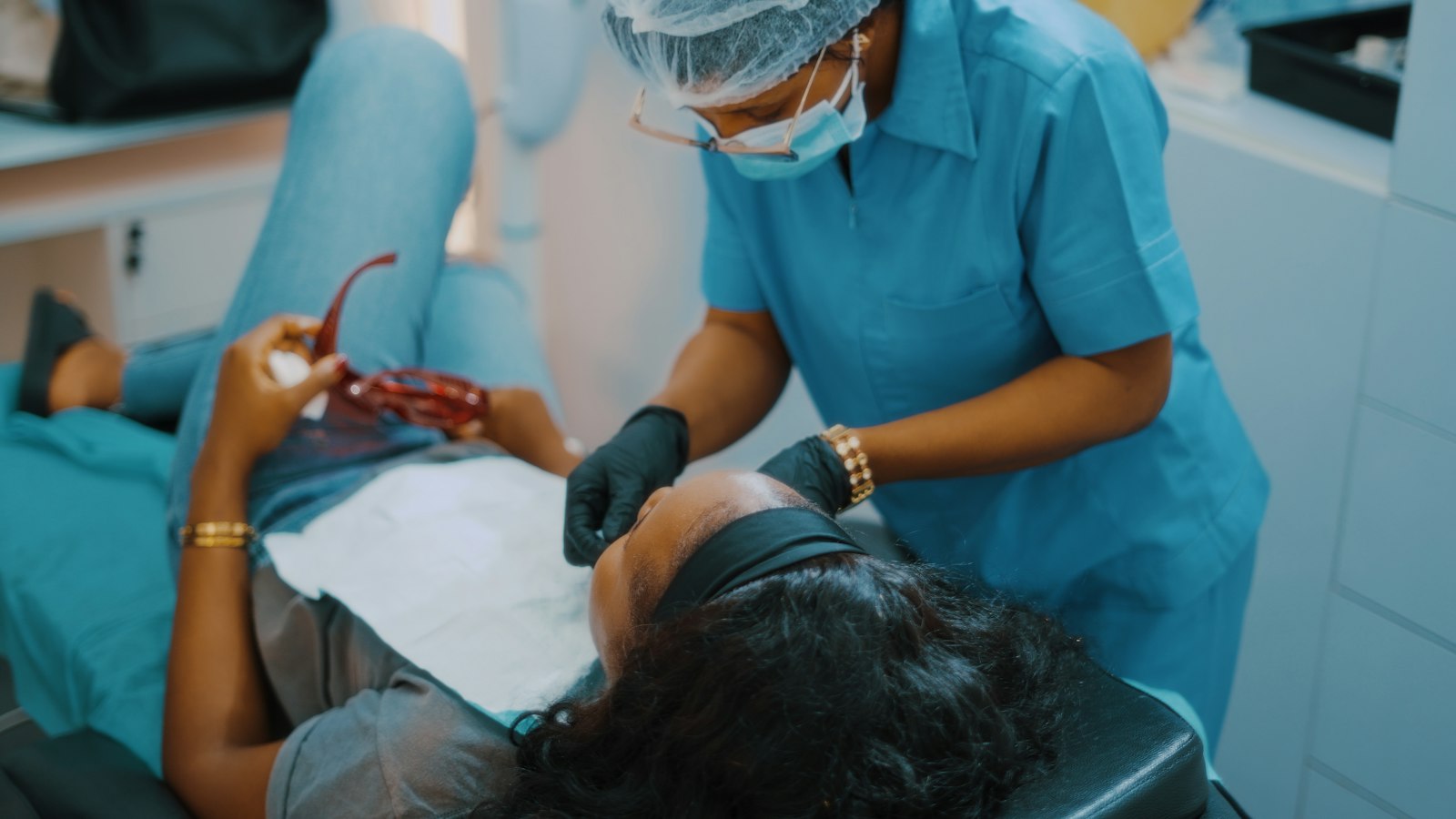
Many people dread a clean because of the cold water spray, especially if they have sensitive teeth or gum recession. The Woodpecker PT-E warms the water for both the air polisher and the ultrasonic scaler, and the temperature can be adjusted. Water closer to body temperature is less likely to trigger the sharp, short twinge that cold water causes on exposed dentine. If sensitivity has put you off cleans in the past, it is worth mentioning when you book.
What air polishing can remove
| Type of stain | Common cause | Removed by air polishing? |
|---|---|---|
| Brown or yellow surface stain | Coffee, tea, red wine, cola | Usually yes |
| Dark brown or black lines near the gums | Smoking, tobacco, some bacteria, iron supplements | Usually yes |
| Brown film after mouthwash | Chlorhexidine mouthwash | Usually yes |
| Stained tartar | Plaque that has hardened and picked up stain | Tartar is removed with the scaler, then polished |
| Grey or dark single tooth | Old injury or a nerve problem inside the tooth | No, the colour is inside the tooth |
| Overall yellow shade | Natural tooth colour and age | No, this needs whitening |
Stain that sits on the outside of the tooth is called extrinsic stain. Discolouration inside the tooth is called intrinsic stain. Our guide to intrinsic and extrinsic tooth stains explains how to tell the two apart.
What happens at the appointment
- Check and discuss. Your clinician looks at your teeth and gums and asks about sensitivity, health conditions and any dental work.
- Plaque disclosing (optional). A harmless dye may be painted on to show where plaque is sitting.
- Air polishing. The warm spray removes plaque and surface stain. Most people describe a light, tickly sensation and a slightly salty or sweet taste, depending on the powder.
- Ultrasonic scaling. Any hardened tartar is removed with the ultrasonic scaler, also using warm water.
- Final check and advice. You will be shown any areas to focus on at home.
This sits within a normal check-up and clean. Our article on what to expect at a scale and clean covers the rest of the visit.
Who may need a different approach
Air polishing is suitable for most people, but please tell us if any of the following apply, as the powder or method may be changed:
- Asthma, COPD or other breathing conditions
- A low-sodium diet, as sodium bicarbonate powder may be avoided
- Contact lenses, which are best removed for the clean
- Exposed root surfaces, veneers, bonding or other cosmetic work
Air polishing and whitening work well together
Removing surface stain first shows the true colour of your teeth. For some people, that is all they want. Others then choose whitening to lighten the natural shade. A clean before whitening also helps the whitening gel work evenly. You can read more on our teeth whitening page.
Frequently asked questions
Does Lumi Dental have an air polishing machine?
Yes. Lumi Dental uses a Woodpecker PT-E, which provides air polishing, warm water and ultrasonic scaling in one unit.
Is this the same as AIRFLOW?
AIRFLOW is a registered trade mark of EMS, a Swiss equipment maker, and the name is often used to describe air polishing in general. Lumi Dental does not use EMS equipment. We use the Woodpecker PT-E, a different brand of air polishing unit. If you are looking for air polishing for stain removal, we offer it as part of a clean.
Will it remove dark stains on my front teeth?
Dark surface stain on front teeth usually responds well to air polishing. If a single tooth has turned grey, or the colour is inside the tooth, a different treatment may be needed. Our guide to dark stains on front teeth explains the common causes.
Does air polishing hurt?
Most people find it comfortable. The warm water helps if your teeth are sensitive. Let your clinician know if anything feels uncomfortable so they can adjust the settings.
How often can I have it?
Air polishing can be part of each regular clean. How often you need a clean depends on your gums, your stain build-up and your home care.
Is it the same as whitening?
No. Air polishing removes stain from the surface. Whitening lightens the colour of the tooth itself. Our article on stain removal versus whitening explains the difference.
Book a clean with air polishing
Lumi Dental is at Shop LG16, Melrose Central, 35 Hope St, Melrose Park, a short trip from Ermington. You can book a check-up and clean through our general dentistry page or call (02) 8599 4700. Current new patient offers are on the current deals page.
This article is general information and does not replace a personal assessment by your dentist.