

Dentistry does not have a manufacturer-style warranty; any "warranty" a practice offers is a voluntary goodwill policy that sits on top of your existing rights under Australian Consumer Law, which apply regardless of what the practice's own paperwork says. Those two things get mixed up constantly, and knowing the difference matters if a crown, filling, or denture ever needs attention after the fact.
This is a different question to the one covered in our guide to why dental lab work gets remade, which explains the clinical and technical reasons a crown or other lab-made item sometimes needs to be redone. This article steps back from the why-it-failed question to the separate question of what warranty actually means, and what your rights are, which applies whether or not a remake is even on the table.
Key takeaways
- There is no standard manufacturer-style warranty in dentistry, unlike a warranty on a car or an appliance.
- Any warranty a practice offers is a voluntary goodwill policy, on top of your legal rights, not instead of them.
- Australian Consumer Law gives you a consumer guarantee that dental services are provided with due care and skill, fit for purpose, and within a reasonable time.
- These consumer guarantee rights apply regardless of whether a practice offers its own written warranty at all.
- Biological factors, such as ongoing decay or heavy teeth grinding, can void a practice's goodwill policy without affecting your Australian Consumer Law rights.
- The ACCC publishes general guidance on consumer guarantees for services, which is worth checking if you are unsure where you stand.
Why dentistry does not work like a product warranty
A manufacturer's warranty on a product, like a washing machine, is a promise about a manufactured object that either works or does not, under conditions the manufacturer controls. A tooth is not a manufactured object. It is a living structure, affected by your bite, your saliva, what you eat, whether you grind your teeth, and how well the tooth was able to be treated in the first place. A dental restoration, whether it is a filling, crown, or denture, exists inside that biological environment, not a factory setting.
Because of this, no dentist can honestly promise a filling or crown will last a fixed length of time no matter what. What a practice can offer instead is a goodwill policy: an internal promise about what it will do, often at reduced or no further cost, if the same piece of work fails within a certain period for reasons the practice considers to be within its control.
Practice goodwill policy versus your Australian Consumer Law rights
Under Australian Consumer Law, services including dental treatment come with automatic consumer guarantees. Broadly, these mean a service must be provided with due care and skill, must be reasonably fit for the purpose you made clear to the practitioner, and must be completed within a reasonable time. These guarantees exist by law and apply whether or not a practice has ever mentioned the word warranty to you.
A practice's own goodwill policy is separate, and usually narrower or more specific: it might promise to redo a crown at no further cost within a set period, for example, but only if the practice's own workmanship, rather than a new biological problem, is judged to be the cause. Your Australian Consumer Law rights do not disappear just because a practice's internal policy has a shorter window or a list of exclusions. If work genuinely was not provided with due care and skill, the consumer guarantee can still apply even after a practice's own goodwill period has technically ended.
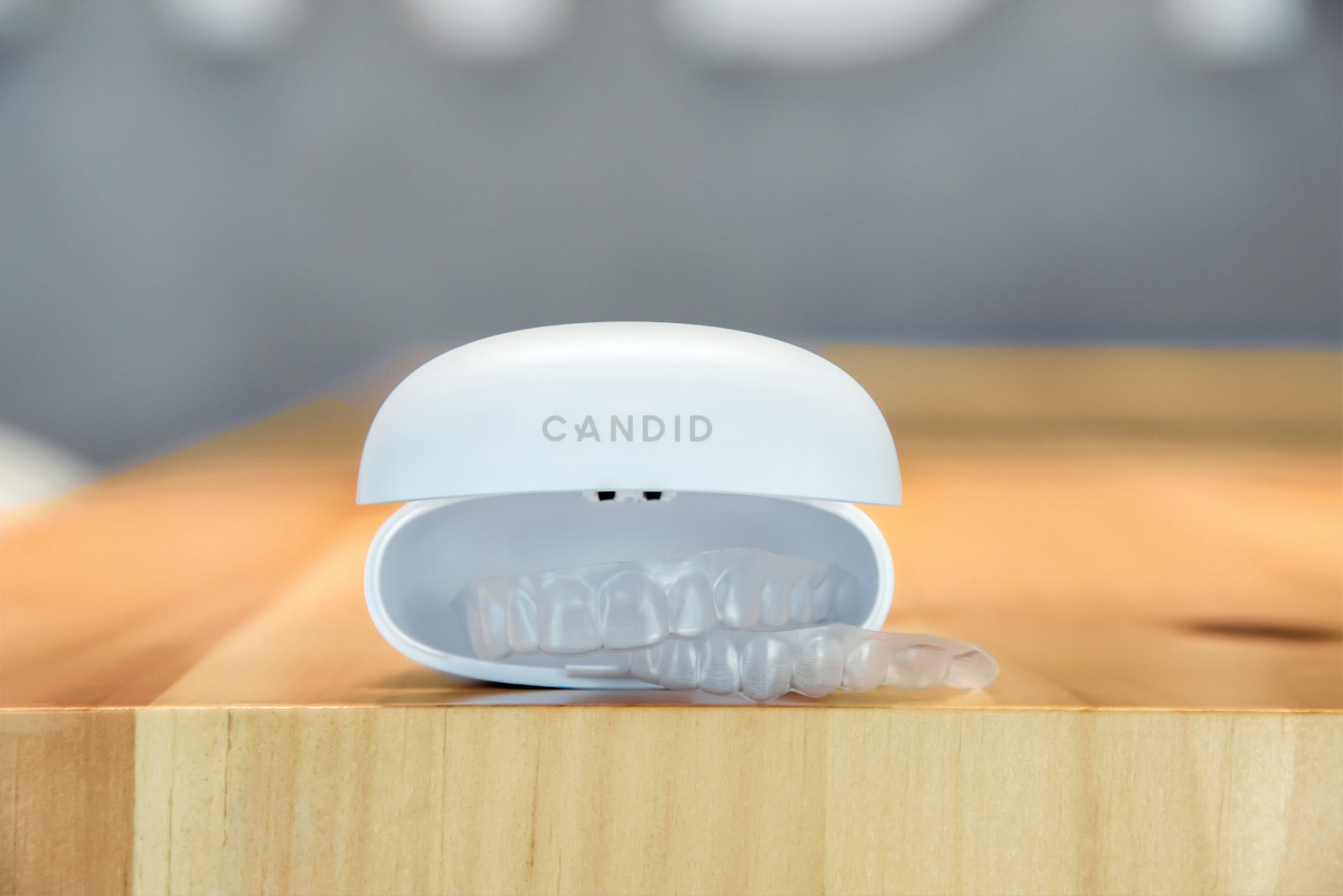
Why a goodwill policy can be voided without touching your legal rights
A goodwill policy commonly excludes failures caused by factors outside the practice's control. A tooth that keeps decaying because of ongoing diet or hygiene issues, or a patient who grinds heavily at night without wearing a recommended splint, are examples a practice might reasonably point to as the cause of a failure, rather than a fault in the original work.
This is a genuinely different question to whether the original work was carried out with due care and skill. A practice can decline to honour its own goodwill policy in a case like this while your Australian Consumer Law rights remain intact, because those rights are about the standard of the service actually provided, not about guaranteeing a particular biological outcome regardless of cause.
What this means in a real conversation
If a restoration fails and you are told it falls outside the practice's warranty policy, that is not necessarily the end of the conversation. It is worth understanding specifically why the practice believes the failure sits outside its policy, and if you believe the original work itself was not carried out with due care and skill, that is a separate question governed by consumer law rather than the practice's own paperwork.
Goodwill policy compared with your consumer law rights
| Practice goodwill policy | Australian Consumer Law guarantee | |
|---|---|---|
| Source | Set voluntarily by the individual practice | Set by law, applies automatically |
| Exists if the practice says nothing about it | No | Yes |
| Typical scope | Redo or adjust specific work within a set period | Service provided with due care and skill, fit for purpose, reasonable time |
| Can be limited by biological factors like grinding or decay | Yes, often explicitly excluded | Assessed on whether the service itself met the guarantee, not the biological outcome alone |
| Where to check details | The practice's own written policy | ACCC guidance on consumer guarantees for services |

Where to look this up yourself
The ACCC publishes general guidance explaining how consumer guarantees apply to services, including a description of what due care and skill and reasonable time mean in practice. It does not set an exact limitation period that applies the same way to every situation, so rather than relying on a specific timeframe, treating this as a starting point and confirming your own circumstances directly with the ACCC or a consumer rights service is the safer approach.
If your concern involves a specific material choice, such as an implant that has developed a problem, our guide to titanium vs zirconia dental implants explains some of the material-specific factors that can be relevant. If a health fund is involved in your claim, why a health fund declines a dental claim is worth reading alongside this, since a declined claim is a separate process to a warranty or consumer law question. If you want to understand how a proposed treatment and its risks were meant to be explained to you in the first place, understanding your dental treatment plan covers that groundwork.
Frequently asked questions
Does dental work come with a legal warranty?
Not in the manufacturer sense. Any warranty a dental practice offers is a voluntary goodwill policy. Separately, Australian Consumer Law gives you an automatic consumer guarantee that services are provided with due care and skill, regardless of whether a practice offers its own warranty.
What is the difference between a practice's warranty and Australian Consumer Law?
A practice's warranty is a specific, voluntary policy the practice sets itself, often with exclusions. Australian Consumer Law applies automatically by default and cannot be reduced simply because a practice's own policy is narrower.
Can a dentist refuse to redo failed work?
A dentist can decline to redo work under their own goodwill policy if they believe the failure was caused by factors outside their control, such as ongoing decay or grinding. That is separate from your Australian Consumer Law rights, which apply based on whether the original service met the required standard.
How long does a dental warranty usually last?
There is no standard length, since each practice sets its own goodwill policy. Checking the specific terms with your own practice, rather than assuming a fixed period, is the accurate approach.
Does teeth grinding void a dental warranty?
It can. Heavy teeth grinding is a common reason a practice's goodwill policy may not apply to a failed restoration, particularly if a recommended splint was not worn, though this does not automatically remove your separate consumer law rights.
Where can I check my consumer rights for dental treatment?
The ACCC publishes general guidance on consumer guarantees for services, which covers how due care and skill and reasonable time apply. For a specific dispute, confirming your position directly with the ACCC or a consumer rights service is worthwhile.
If you would like a clear written treatment plan before any restorative work begins, the team at Lumi Dental offers a new-patient assessment, with current offers listed on the current deals page. This article is general information and is not a substitute for specific legal advice about your own situation.