

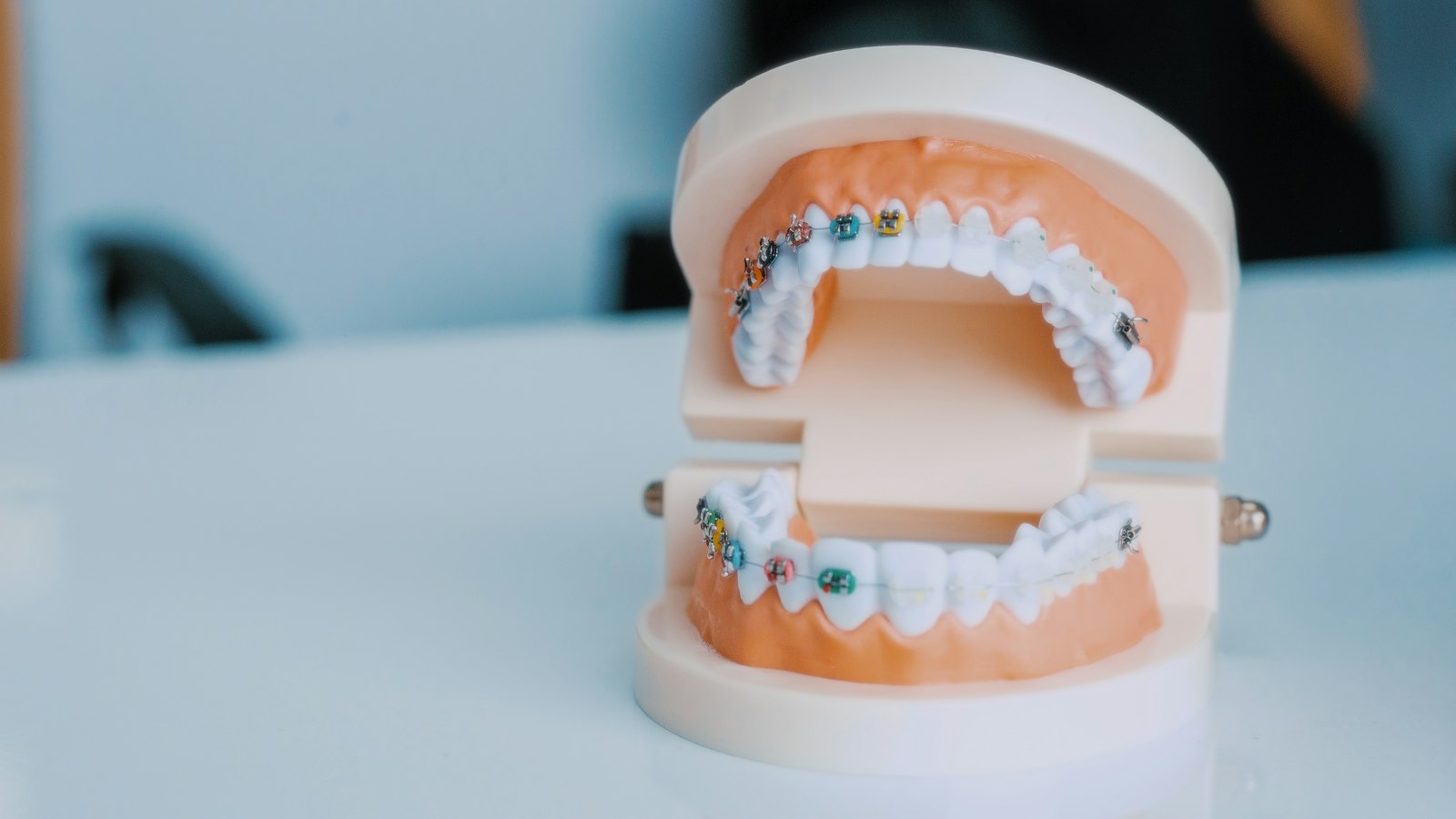

A filling needs to become a crown when there is not enough healthy tooth structure left to support a filling reliably, and recognising the warning signs early can prevent a more serious break or the loss of the tooth altogether. This is not an upsell dressed up as necessity. A large or repeatedly failed filling puts real mechanical strain on the remaining tooth, and once too much of the original structure is gone, a filling simply cannot hold under normal biting forces the way a crown, which covers and protects the whole tooth, can. This article explains the signs that point toward needing a crown, the general cost difference in the Australian market, and why this escalation is a legitimate clinical decision rather than a sales tactic.
Key takeaways
- A crown becomes necessary when remaining tooth structure is too weak, cracked or compromised for a filling to support reliably.
- Warning signs include a large filling covering much of the tooth, visible cracks, repeated filling failures, and pain when biting down.
- Decay recurring underneath an existing filling is one of the most common reasons a crown is recommended.
- Crowns generally cost more than fillings in the general Australian market, reflecting the additional material, laboratory work and protection they provide.
- Delaying a recommended crown can sometimes lead to a fractured tooth that is harder, or impossible, to save.
Why a filling has limits
A filling works well when there is enough surrounding healthy tooth structure to hold it firmly in place and to bear the forces of chewing without excessive flexing. Every tooth in the mouth deals with significant biting pressure many times a day, and the tooth's own natural shape, particularly the outer walls and cusps, is what withstands that load. When decay or a previous filling has already removed a large portion of that structure, the remaining walls become thinner and more prone to flexing under pressure.
Over time, this flexing can lead to micro-cracks, and the seal between the filling and the remaining tooth can weaken, allowing bacteria to seep in underneath. A crown resolves this by covering the entire visible portion of the tooth, distributing biting forces across the whole structure rather than concentrating stress on a thin remaining wall.
Signs a filling may need to become a crown
The filling covers most of the tooth
When a filling extends across more than roughly half the biting surface, or wraps around multiple sides of the tooth, the remaining natural structure is often too thin to reliably support that much filling material long-term.
Visible cracks or cusp fracture risk
Fine cracks in the enamel around an existing filling, or a cusp, one of the pointed or rounded parts of the chewing surface, that looks thin or separated from the rest of the tooth, are signs that the tooth may fracture under normal biting force if left unprotected.
Recurrent decay underneath the filling
If new decay is found beneath or around the edges of an existing filling, sometimes called secondary decay, it often means the seal has broken down. Once this recurs more than once on the same tooth, a crown is frequently recommended to prevent the same problem happening again.
Pain or sensitivity when biting down
Discomfort specifically triggered by chewing, rather than by hot or cold foods, can indicate a crack or instability in the remaining tooth structure that a filling alone will not resolve.
A tooth that has had root canal treatment
Teeth that have undergone root canal treatment lose some of their natural moisture and can become more brittle over time, which is why a crown is often recommended afterward, particularly for back teeth that handle heavy chewing forces.
General cost comparison: filling versus crown
Costs vary by material, tooth location and complexity, and the figures below reflect general ranges reported across the Australian dental market rather than a specific quote.
| Treatment | Typical cost range (AUD) | Notes |
|---|---|---|
| Small to moderate filling | $150 to $400 | Cost depends on size and material, such as composite resin |
| Large or complex filling | $300 to $600 | More tooth structure involved increases time and material cost |
| Crown (ceramic or porcelain-based) | $1,500 to $2,800 | Reflects laboratory fabrication, material and the coverage provided |
While a crown costs more upfront than a filling, it is worth weighing that against the cost and disruption of a tooth fracturing later, which can sometimes lead to more extensive and expensive treatment or the loss of the tooth. The team at Lumi Dental can provide a written quote specific to your tooth and situation rather than relying on these general figures. Our guide on understanding your dental treatment plan explains how to read a quote that includes options like this, and our article on informed financial consent and written quotes covers what you are entitled to ask for before agreeing to treatment.

Why this is escalation, not upselling
It is reasonable for patients to feel wary when a recommended treatment becomes more extensive and more expensive than expected. The distinction that matters is whether the recommendation is based on objective clinical findings, such as visible cracks, X-ray evidence of decay under the filling, or a documented history of the same filling failing more than once. A dentist recommending a crown should be able to explain specifically what they can see and why a filling is unlikely to hold up, rather than offering it as a vague upgrade. Our article on what a dental treatment coordinator does is useful if you want to understand who else may be involved in explaining a treatment plan like this, separate from the clinical decision itself, which always sits with your dentist.
What happens if a needed crown is delayed
Putting off a genuinely necessary crown carries a real risk, because the weakened tooth structure does not become stronger on its own. A crack can propagate further with ongoing chewing forces, sometimes splitting the tooth below the gum line in a way that can no longer be restored with a crown at all, leading to extraction. This is why a dentist may recommend proceeding with a crown relatively promptly once the signs are clear, rather than treating it as an optional cosmetic upgrade that can wait indefinitely.
Frequently asked questions
How do I know if my dentist is recommending a crown unnecessarily?
Ask specifically what clinical evidence supports the recommendation, such as an X-ray finding, a visible crack, or a history of filling failure on that tooth. A legitimate recommendation should be explainable with specific findings rather than general reassurance alone.
Can a large filling be replaced with another filling instead of a crown?
Sometimes, if there is still enough healthy structure remaining, but if the same tooth has already failed once or twice, a crown is often recommended to avoid repeating the same cycle.
Does a crown hurt more than getting a filling?
The procedure for fitting a crown typically involves local anaesthetic similar to a filling, so the experience during the appointment is generally comparable, though the appointment itself may take longer.
How long does a crown typically last?
With good oral hygiene and regular dental check-ups, a well-fitted crown can often last many years, though lifespan varies with the material used and individual biting habits.
Will my private health insurance cover part of a crown?
Many extras policies contribute toward major dental work like crowns, though the benefit amount depends heavily on your specific policy and annual limits, so checking directly with your insurer is worthwhile.
What happens if I just leave a cracked filling alone?
A crack left unaddressed can worsen under normal biting pressure, potentially leading to a more serious fracture that is harder to treat and may put the tooth at risk of needing extraction.
If you have a large or ageing filling and you are not sure whether it is holding up, an examination can usually clarify whether monitoring, a new filling, or a crown is the right next step. The team at Lumi Dental can walk you through the clinical findings and a written quote before you decide anything. Visit our current deals page or book a check-up with the general dentist team to get a clear answer.

