Playing a wind instrument with braces is harder for brass players than for woodwind players, and the difference is not small. Single reed players such as clarinettists and saxophonists often adapt in under a month. Brass players more commonly need one to three months, because a brass mouthpiece presses directly against both lips, right over the brackets.
Braces do not end a playing career. They do interrupt it, and how much depends on your instrument, how you prepare, and whether your orthodontist and your music teacher are told at the same time. Every wind player starting orthodontic treatment has to re establish their embouchure, which in practice means partly relearning the instrument.
Key Takeaways
- Brass players are generally more affected than woodwind players, because the mouthpiece presses on both lips over the brackets.
- Single reed players usually adapt in under a month. Brass players typically take one to three months.
- Wax, lip guards, lighter mouthpiece pressure and shorter more frequent practice sessions are the measures players report as most useful.
- The British Orthodontic Society publishes advice for orthodontists treating wind instrumentalists, so ask for that conversation before bonding day.
- Clear aligners are worth discussing, because they can be removed for a performance, though they still need the required wear hours.
- Avoid bonding or a major adjustment in the week before an exam, an audition or a concert.
Why braces change your playing at all
An embouchure is a trained pattern of muscle tension. The lips, the corners of the mouth, the cheeks and the tongue hold a precise shape while air is pushed through at pressure. That shape is built over years and it is set against the exact contour of your teeth.
Bond brackets onto the front of those teeth and you change two things at once. The lip now sits over a hard, textured surface roughly a millimetre or two thicker than enamel. And the teeth themselves start moving, so the surface your embouchure was calibrated against is no longer stable.
This is a physical change, not a matter of confidence. Playing a wind instrument involves real intraoral pressure and genuine orofacial muscular load, which is why the adaptation takes weeks rather than a single practice session. Telling a student to just push through usually produces sore lips and bad habits.
What to expect by instrument family
The table below gives realistic expectations. Individual results vary with how experienced the player is, the size of the mouthpiece and how prominent the front teeth were to start with.
| Instrument family | Expected difficulty | Typical adjustment time | What helps most |
|---|---|---|---|
| High brass, trumpet and french horn | Highest. Small mouthpiece, high pressure, direct contact over upper and lower brackets | Often 1 to 3 months, sometimes longer for high range work | Lip guards or wax, lighter mouthpiece pressure, rebuilding range slowly from the middle register |
| Low brass, trombone, euphonium and tuba | High but usually less severe. Larger mouthpiece spreads the load | Commonly 1 to 2 months | Wax on brackets, longer warm ups, avoiding heavy pressure on high passages |
| Single reed, clarinet and saxophone | Moderate. Lower lip cushions against the lower teeth, upper teeth rest on the mouthpiece | Often under a month | Wax or a cushion on the lower brackets, a mouthpiece patch, checking reed strength |
| Double reed, oboe and bassoon | Moderate. Both lips roll over the teeth, so bracket contact is constant | Usually 2 to 6 weeks | Wax, short frequent sessions, watching for lip ulceration early |
| Flute and piccolo | Lowest for the lower lip, but the airstream direction changes as teeth move | Often 1 to 3 weeks | Rechecking head joint position and air angle, adjusting as teeth move |
What actually helps in the first fortnight
The first two weeks are the worst, and they are also where most of the useful measures live.
- Orthodontic wax over the brackets. Roll a small piece and press it firmly over the brackets that contact your lip. Replace it before each session. Dry the bracket with a tissue first or the wax will not stick.
- Silicone or plastic lip guards. These sit between the lips and the brackets and are far more durable than wax. Brass players in particular find them worth the money. Ask your music teacher which type suits your mouthpiece.
- Ease off the mouthpiece pressure. Pressing harder to force a note is the reflex, and it is the fastest route to ulcers. Support the note with air rather than pressure.
- Shorter, more frequent sessions. Four sessions of 15 minutes beat one hour of grinding through pain, especially in the first fortnight and in the days after each adjustment.
- Rebuild from the middle. Long tones in the comfortable register first, then extend the range as the lip settles.
- Expect a dip after each adjustment. Teeth are tender for a few days after the wire is tightened, so plan lighter practice around those appointments.
The conversation to have before bonding day
The British Orthodontic Society publishes specific guidance for orthodontists treating wind instrumentalists, which means this is a recognised planning issue, not a special request. Raise it at the consultation, before the treatment plan is finalised. Bring the parent, the student and ideally a note from the music teacher.
- Tell the orthodontist which instrument, how many hours a week and what level, including any exams or ensembles coming up.
- Ask what bracket options exist, including smaller brackets or a lower profile design.
- Ask whether lingual braces are suitable. Placed behind the teeth they spare the lips, but they occupy tongue space and can affect articulation and airflow, which matters most for reed players.
- Ask whether clear aligners could achieve the same result.
- Ask for the treatment plan to avoid bonding or major adjustments in exam and performance weeks.
- Ask for wax and, if you play brass, a recommendation on lip guards on the day the brackets go on.
If you are new to fixed appliances generally, our guide to what to expect with braces covers the first weeks, and our comparison of ceramic versus metal braces explains how bracket material and size differ.

Are clear aligners a better choice for players?
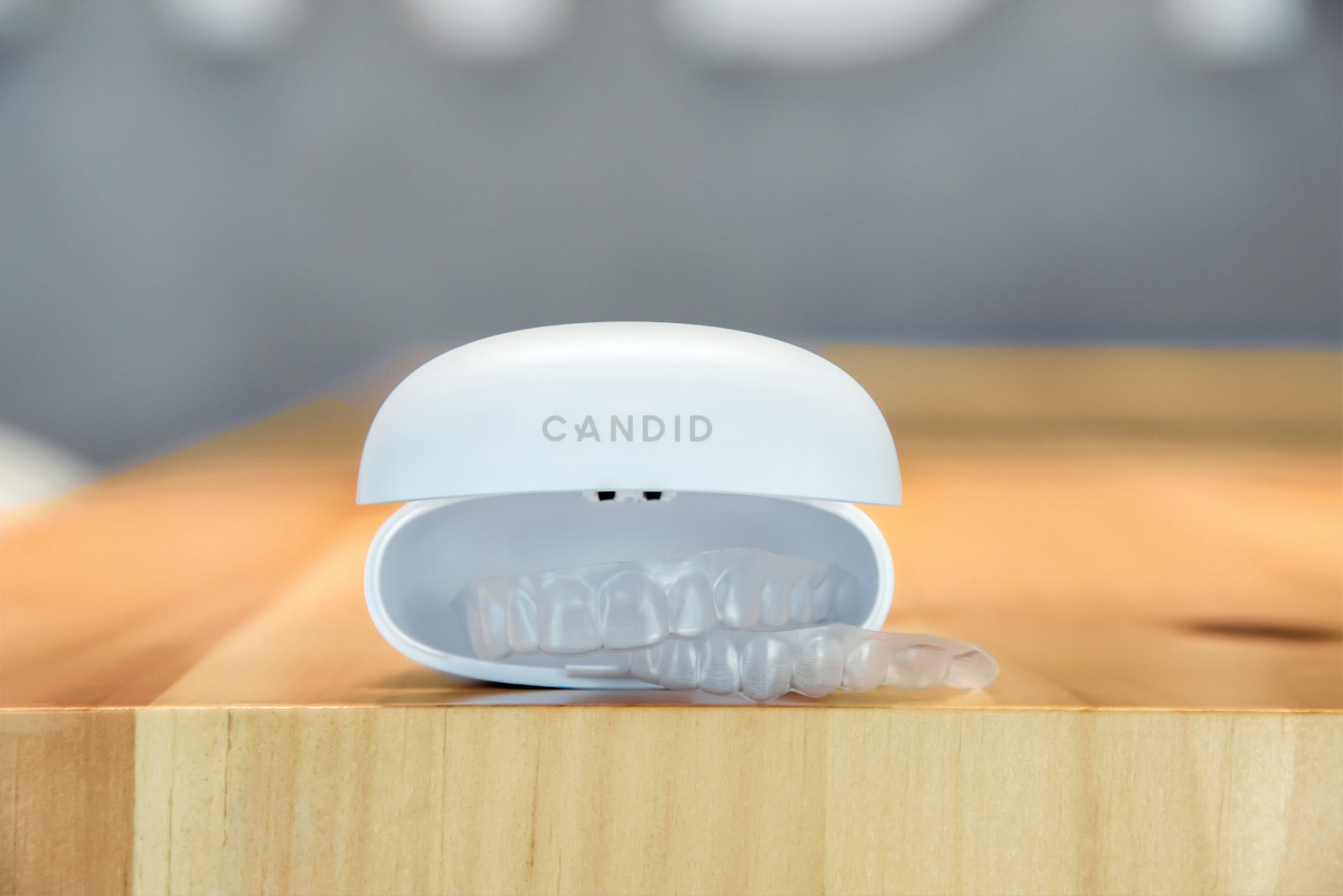
They can be, and they are worth putting on the table early. Aligners are removable, so a player can take them out for a lesson, a performance or an exam, and the embouchure works against the natural tooth surface rather than against brackets.
The trade offs are real though. Aligners still need to be worn the required hours per day, commonly around 20 to 22, so time out for playing has to come out of the daily budget rather than be added to it. Teeth still move, so the surface your embouchure sits against still changes. Not every case can be treated with aligners, and complex tooth movements may still need fixed appliances. Aligners also demand consistent discipline, which is worth being honest about with a teenager in the middle of a busy music year.
Exams, auditions and concerts
Timing is the part families most often get wrong. Do not have brackets bonded, or a significant wire change, in the week before an AMEB exam, an audition, an eisteddfod or a major concert. The lip will be sore, the embouchure will be unfamiliar, and the performance will not reflect the work behind it.
Give the orthodontist your calendar for the year at the start. Most practices can shift an appointment by a fortnight if they know in advance. Plan the initial bonding for a school holiday period or a quiet stretch, so the first two weeks of adaptation do not collide with anything that is being marked.
Lip ulcers and mouth care
Ulcers on the inside of the lip are the most common complaint in the first weeks, and they come from pressure and rubbing rather than from anything being wrong. Wax over the offending bracket usually settles it within days. Warm salt water rinses help, as do soft foods and avoiding acidic drinks while the ulcer is raw.
See your orthodontist if a bracket edge or wire end is digging in, if an ulcer is not improving after about 10 days, or if you cannot play at all because of pain. A protruding wire end can be clipped or tucked in a few minutes, and it is worth ringing rather than waiting for the next scheduled visit. Keep a small tube of wax in the instrument case as well as in your school bag, because the one you need is always the one you left at home.
Cleaning also matters more for wind players than most. Sugary drinks between sets, an instrument in the mouth for long stretches and brackets holding plaque is a combination that can cause white marks on enamel. Brush after eating, use a fluoride toothpaste, and rinse with water rather than sipping soft drink during rehearsals.
Players who also play sport
If the same student plays contact sport, a custom mouthguard is not optional. Braces make a blow to the mouth more likely to cut the lips, and an unprotected front tooth injury during orthodontic treatment is a genuinely bad outcome. Guards can be made to fit over fixed appliances, and they need remaking as the teeth move. Our guide to custom versus boil and bite mouthguards explains the differences.
Common questions
Will braces ruin my tone?
Not permanently. Tone usually dips while the embouchure adapts, then returns as the muscles recalibrate. Many players report their tone is better after treatment finishes, because more even front teeth give a more stable, symmetrical surface to work against. The dip is temporary. The change to the teeth is what you are paying for.
How soon after getting braces can I play again?
Most players can make a sound within a few days, but the first week is usually uncomfortable. Start with short sessions in the comfortable register, use wax, and build back up over two to three weeks. Do not try to play a full rehearsal on day two.
Do I need a special mouthpiece?
Usually not. Most players adapt with wax or a lip guard and a change in pressure. Some brass players find a slightly larger rim more comfortable during treatment, but changing mouthpiece is a significant decision and should be made with your teacher rather than as a quick fix.
Should I delay braces until after my exams?
Sometimes that is the right call, particularly for a senior brass player in an exam year. But delaying has its own costs, especially in growing children where timing can matter clinically. Discuss it openly with the orthodontist rather than deciding alone, and ask what is lost by waiting 6 or 12 months.
Will a retainer affect my playing afterwards?
A fixed retainer behind the front teeth is usually barely noticed by brass players, though reed and flute players may need a short period to adapt to the tongue space. Removable retainers can be taken out to play, provided the prescribed wear hours are still met.
Book a check
If your child plays a wind instrument and orthodontic treatment is coming up, a check with the team at Lumi Dental in Melrose Park is a good place to start the conversation, including cleaning around brackets and mouthguards for sport. See what is currently available on our current offers page, or read more about general dentistry in Melrose Park. The practice is open Monday to Saturday, with Sunday by appointment.
This article is general information and is not a substitute for individual advice from a dentist who has examined you.