

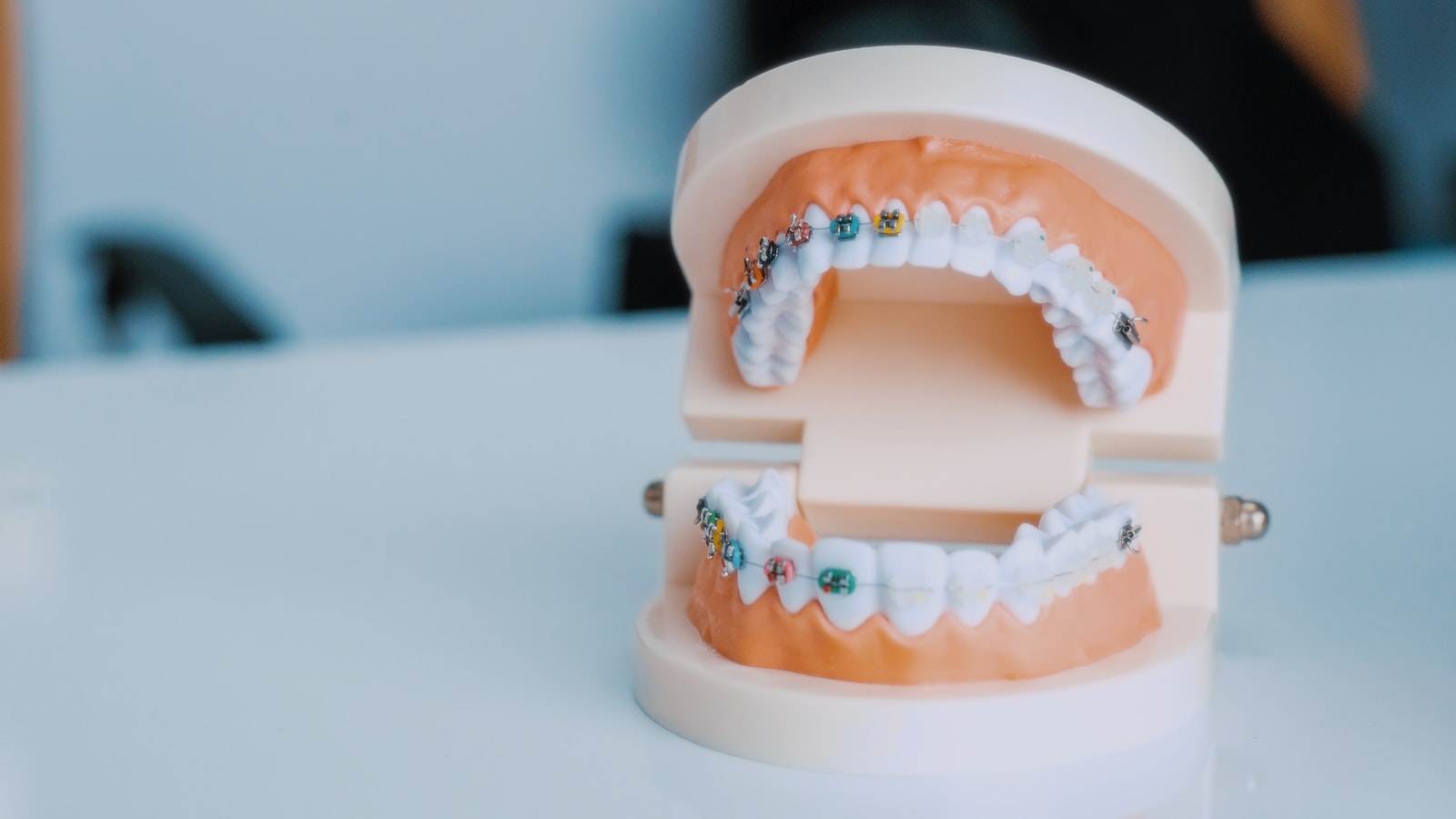

Having a wisdom tooth is not, on its own, a reason to remove it. A significant number of adults carry one or more wisdom teeth for life without any problems at all, and for many patients the right plan is not extraction but a regular review. This article looks specifically at that monitoring decision, not at extraction itself, which is covered in detail elsewhere.
Key Takeaways
- An asymptomatic wisdom tooth, whether fully or partially erupted, does not automatically need to come out.
- At each check-up, your dentist is typically monitoring position, decay risk, gum flap or pericoronitis risk, hygiene access and any orthodontic impact.
- A watch-and-wait plan usually comes with a defined review interval, not an open-ended "leave it forever".
- Certain red flags, such as recurrent gum infection, decay that reaches the tooth beneath it, or cyst formation, shift the balance toward removal.
- The decision is individual and can change over time as your mouth changes, so ongoing review matters more than a single one-off assessment.
Why removal is not automatic
Wisdom teeth carry a reputation as trouble simply waiting to happen, but the evidence for removing every wisdom tooth regardless of symptoms is not strong, and major dental and health bodies, including guidance referenced by the Australian Dental Association, generally support a case-by-case approach rather than routine removal of symptom-free teeth. Surgery carries its own risks and recovery time, so if a wisdom tooth is fully or partially erupted, positioned reasonably, and not causing decay, gum problems or crowding, ongoing monitoring is often the more sensible path than pre-emptive extraction.
What your dentist is actually checking at each review
A wisdom tooth review is not just a glance and a nod. Your dentist is typically assessing several things together.
Position and angulation
Whether the tooth is upright, tilted, or angled against the neighbouring tooth affects both its long-term prognosis and how easily it can be kept clean. A position that looks stable at one visit is checked again at the next, since teeth can shift gradually, particularly during the years wisdom teeth are still settling into place.
Decay risk
Partially erupted wisdom teeth, and the back surface of the tooth in front of them, are harder to clean and more prone to decay. Your dentist will check both the wisdom tooth itself and the tooth immediately in front of it for early signs of decay, since a cavity forming against a wisdom tooth is one of the more common reasons a watch-and-wait plan later changes.
Gum flap and pericoronitis risk
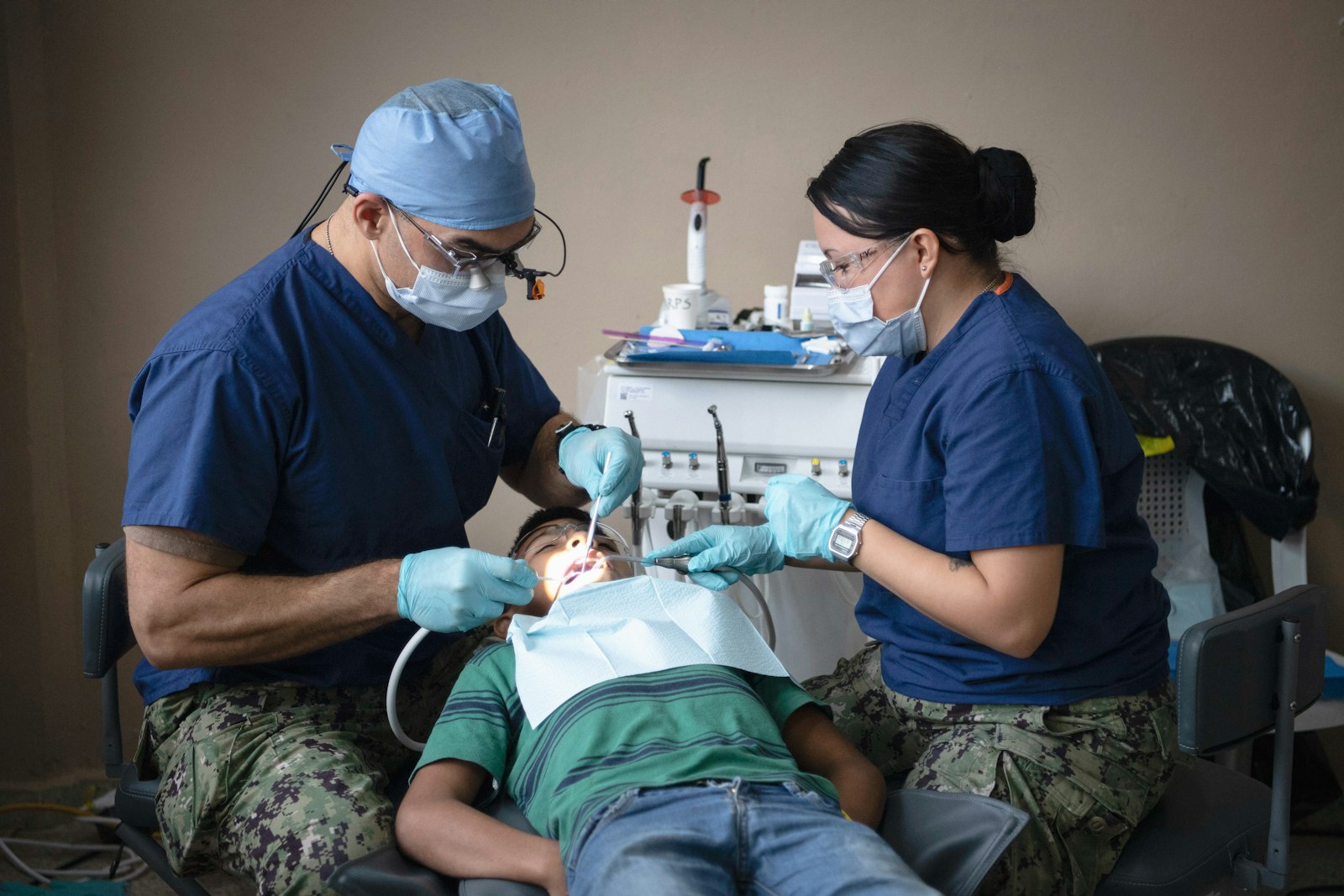
Partially erupted wisdom teeth often have a flap of gum tissue partly covering the crown, which can trap food and bacteria and lead to pericoronitis, a painful gum infection around the tooth. Your dentist checks this tissue for swelling, tenderness or signs of past infection at each visit, since a pattern of recurrent flare-ups is one of the clearer signals that ongoing watching is no longer the best plan.
Hygiene access
Some wisdom teeth are genuinely easy to brush and floss around, while others sit in a spot that makes consistent cleaning difficult no matter how careful the patient is. This is assessed practically, by checking for plaque build-up and early gum inflammation specifically around the wisdom tooth, rather than assumed from the tooth's position alone.
Orthodontic impact
For patients who have had braces or Invisalign, or who may consider orthodontic treatment in future, a wisdom tooth's position and any pressure it may place on neighbouring teeth is noted, though the link between wisdom teeth and crowding of the front teeth is less direct than commonly assumed and is generally considered on an individual basis rather than a blanket rule.
The review interval: what watch-and-wait actually means
A watch-and-wait plan should come with a specific timeframe, not an indefinite "we will look again someday". Many dentists suggest reviewing an asymptomatic wisdom tooth at each regular check-up, typically every six to twelve months, with a dental X-ray at intervals your dentist will recommend based on your individual risk factors. This means watch-and-wait is an active, ongoing decision that gets revisited with new information each time, not a one-off judgement made years ago and never reconsidered.

Red flags that shift the decision toward removal
Certain findings tend to move a wisdom tooth from the watch-and-wait category into the removal conversation: recurrent or worsening pericoronitis, decay in the wisdom tooth or the tooth in front of it that cannot be adequately treated while the wisdom tooth remains, a cyst forming around an unerupted tooth, gum disease specifically localised around the wisdom tooth that does not respond to improved hygiene, or a change in position that increases risk to a neighbouring tooth. None of these findings mean removal is automatic either, but they are the kind of signal that typically prompts a more detailed conversation about the risks and benefits of extraction for your specific situation.
Why this differs from the extraction conversation
Once a wisdom tooth is causing genuine problems, or a patient and dentist decide together that removal is the better path, the conversation shifts to timing, anaesthetic options and recovery, all of which are covered elsewhere. This article deliberately stays with the earlier decision point: whether a currently asymptomatic tooth needs to come out at all, which is a genuinely separate question from how an extraction is carried out once it is decided upon.
Frequently asked questions
Does every wisdom tooth eventually need to be removed?
No. Many people keep some or all of their wisdom teeth for life without problems, particularly when the teeth are well positioned, fully functional and easy to clean.
How often should an asymptomatic wisdom tooth be checked?
This varies by individual, but many dentists recommend reviewing wisdom teeth at each regular check-up, roughly every six to twelve months, with X-rays at intervals based on your personal risk factors.
Can a wisdom tooth that has been fine for years suddenly become a problem?
Yes, this can happen, which is why ongoing review matters more than a single assessment. Changes in gum health, decay risk or tooth position can develop gradually.
Is pain the only sign that a wisdom tooth needs attention?
No. Decay, gum inflammation and early cyst formation can all develop with minimal or no pain in the early stages, which is part of why regular professional review is more reliable than waiting for symptoms.
Does keeping a wisdom tooth affect the position of my front teeth?
The link between wisdom teeth and crowding of the front teeth is less direct than commonly believed and is generally assessed on an individual basis rather than assumed automatically.
If my dentist recommends watching a wisdom tooth, does that mean it will never need to come out?
Not necessarily. It means that, based on the current findings, monitoring is the more appropriate plan for now, with removal remaining an option in future if the situation changes.
If you have a wisdom tooth your dentist is monitoring, or it has been a while since your last check-up, the team at Lumi Dental can review its position and give you a clear plan either way. For current new patient offers, see our current deals, or read more about anaesthetic and sedation options in our guide to wisdom teeth removal if extraction does become the right path for you. You may also find our articles on what to expect at a scale and clean and overcoming dental anxiety useful ahead of your next review.

