
Written by Dr James Tran, dentist at Lumi Dental.
A scale and clean is the most common dental appointment there is, yet plenty of people are unsure exactly what happens or why it matters. In short, it removes the hardened plaque that a toothbrush cannot, and it lets your dentist catch small problems early. Even people who brush and floss well build up some tartar in spots that are hard to reach, and only a professional clean removes it. This guide walks through each step, whether it hurts, and how often you need one.
Key takeaways
- A scale and clean removes plaque and hardened tartar that brushing and flossing cannot shift, especially below the gumline.
- It usually includes an examination, scaling, polishing, and advice, and often a fluoride application.
- Most people find it comfortable, though sensitive teeth or inflamed gums can make parts briefly tender.
- Many people benefit from a clean every six months, but the right interval depends on your gum health.
- Regular cleans help prevent gum disease, decay, and bad breath, and let problems be caught early.
Why a professional clean matters
Plaque is a soft film of bacteria that constantly forms on teeth. If it is not removed, it hardens into tartar (calculus), which is firmly stuck and cannot be brushed away. Tartar collects along and below the gumline, where it irritates the gums and drives the inflammation that leads to bleeding gums and, over time, gum disease. A scale and clean removes this build-up, giving the gums a chance to settle and heal. No home routine, however good, fully replaces it, because some areas are simply unreachable with a brush.
Step by step: what happens
1. Examination
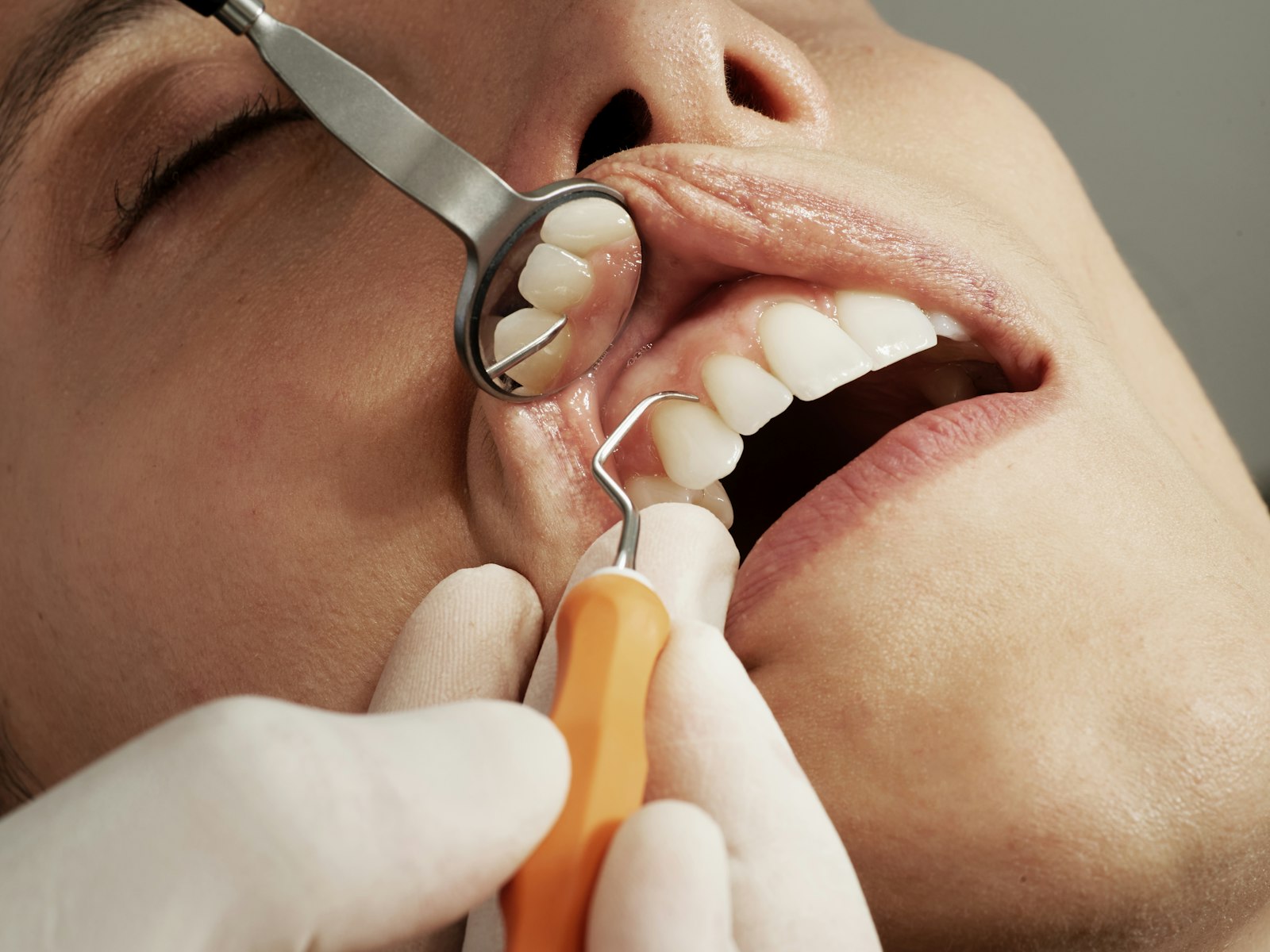
The appointment usually starts with a check of your teeth and gums, sometimes with X-rays if needed, to spot decay, gum problems, or other concerns. Your dentist may measure the gums to assess their health.
2. Scaling
This is the core of the clean. Using an ultrasonic scaler that vibrates tartar loose with a gentle water spray, and fine hand instruments for detail, the dentist or hygienist removes plaque and tartar from the teeth and just below the gumline. You will hear a high pitched hum and feel some vibration and water.
3. Polishing
A soft rubber cup and a slightly gritty paste polish the teeth, removing surface stain and leaving them smooth, which makes it a little harder for plaque to cling on.
Some clinics, including Lumi Dental, also use air polishing, which lifts plaque and stain with a fine spray of warm water, air and powder. Read more about air polishing stain removal at Lumi Dental.
4. Advice and prevention
The clean often finishes with tailored tips on brushing and cleaning between the teeth, and frequently a fluoride varnish to strengthen enamel, especially for people at higher risk of decay.
Does a scale and clean hurt?
For most people a scale and clean is comfortable, more of an odd sensation than a painful one. It can be briefly tender if your gums are inflamed or if you have sensitive teeth or a lot of tartar to remove, since healthier gums are less reactive. Interestingly, the more regularly you have cleans, the less build-up there is and the more comfortable each visit tends to be. If you find it uncomfortable, tell your dentist, as numbing gel or a gentler approach can help, and sensitivity often settles within a day.
How often do you need one?
The common advice is every six months, and that suits many people, but the ideal interval is individual. Someone with healthy gums and little build-up may be fine with a longer gap, while someone prone to gum disease, heavy tartar, or staining may benefit from cleans every three to four months. Your dentist will recommend a schedule based on your gum health and how quickly you form tartar, rather than a one size fits all rule.
| Gum and build-up profile | Typical clean interval |
|---|---|
| Healthy gums, light build-up | Every six months or so |
| Some inflammation or moderate tartar | Every four to six months |
| Gum disease history or heavy build-up | Every three to four months |
What a clean helps prevent
Regular cleans do more than freshen your mouth. They help prevent gum disease by removing the tartar that inflames the gums, reduce the risk of decay by clearing bacteria and allowing early problems to be spotted, and tackle persistent bad breath that often comes from build-up. Just as valuable is the examination that comes with the appointment, which lets small issues like a tiny cavity or an early crack be found while they are easy and inexpensive to fix. Prevention and early detection are the real value of the visit.
Getting the most from your clean
Good home care between visits makes each clean easier and your mouth healthier. Brush twice a day with a soft brush for two minutes, clean between the teeth daily with floss or interdental brushes, and go easy on frequent sugary or acidic snacks. If your gums bleed when you brush, do not stop cleaning the area; gentle, consistent cleaning is usually what settles it. Our guide on electric versus manual toothbrushes can help you choose a brush, though technique matters more than the tool.
Frequently asked questions
Will a scale and clean whiten my teeth?
A clean removes surface stains from things like coffee, tea, and smoking, so teeth can look brighter and feel smoother afterwards. It does not change the natural colour of the teeth themselves, though, so it is not the same as whitening. If you want a lighter shade, whitening is a separate treatment.
How long does a scale and clean take?
Most cleans take around 30 to 45 minutes, depending on how much build-up there is and whether an examination and X-rays are included. If it has been a long time between visits, the first clean may take longer or be split across appointments. Regular visits keep each one shorter.
Is bleeding during a clean normal?
Some bleeding during a clean is common if the gums are inflamed, and it usually reflects gum irritation from plaque rather than harm from the clean itself. As the gums get healthier with regular cleaning at home and professionally, the bleeding typically settles. Persistent bleeding is worth discussing with your dentist.
Can I eat after a scale and clean?
Usually yes, though if fluoride varnish was applied you avoid hot drinks and hard food for a few hours. Teeth can feel a little sensitive briefly after a clean, so you might prefer to wait a short while before very hot or cold foods. Any sensitivity generally passes quickly.
Related reading: Should You Whiten Teeth Before or After a Scale and Clean?.
The takeaway
A scale and clean is a simple, routine appointment that removes the hardened tartar your toothbrush cannot reach, keeps your gums healthy, and gives your dentist a chance to catch problems early. It is comfortable for most people, and how often you need one depends on your gums rather than a fixed rule. To book a check-up and clean, the team at Lumi Dental in Melrose Park is happy to help. Explore our general dental care or current offers on the deals page. This article is general information and not a substitute for personal dental advice.