

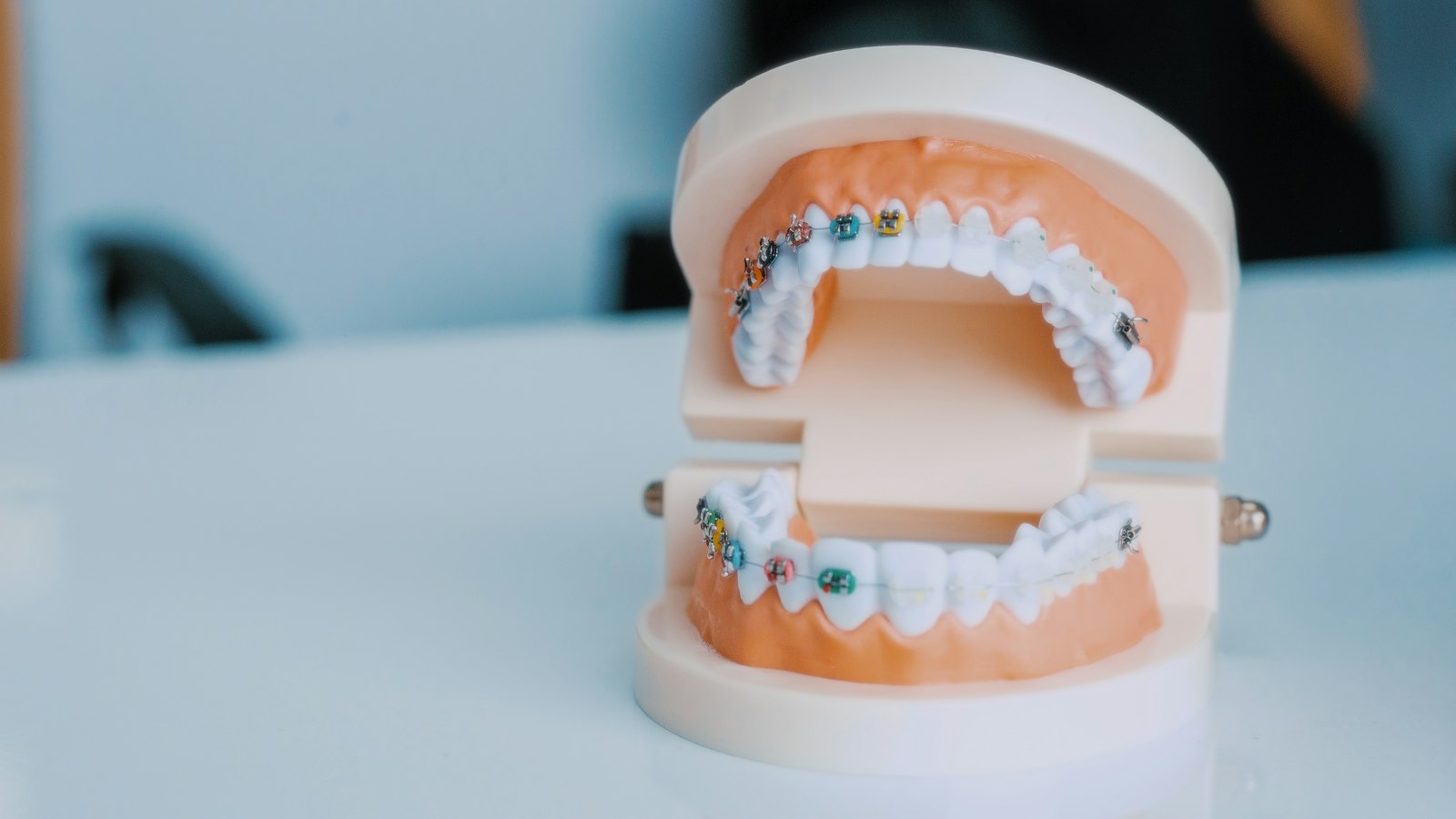

Dental fitness in the Australian Defence Force is not just a personal health matter, it is an operational requirement. Every serving member is assessed against a four-tier Dental Readiness Category (DRC) system that determines whether they are fit to deploy, because an untreated dental problem that would be a minor inconvenience at home can become a genuine emergency in a deployed or remote setting where dental care is not readily available. Understanding how dental care works for serving members, and separately for their families, helps make the most of what is already provided.
Key Takeaways
- The ADF uses a four-tier Dental Readiness Category (DRC) system, with DRC 1 meaning no treatment is needed and the member is fully deployable.
- Garrison dental clinics provide routine care for serving members, supplemented since 2019 by a health services contract with Bupa that gives access to private specialist dental services at fixed contracted rates.
- Non-urgent wait times at garrison clinics can extend during high-operational periods, which is where an external private provider can be a useful supplement.
- Families of serving members access dental and other allied health care through the ADF Family Health Program, a pooled allowance rather than a dental-specific benefit.
- The Family Health Program allowance is reported at around $800 per financial year per registered dependant, shared across dental, physiotherapy, psychology, optometry and other allied services.
- Because the allowance is pooled across service types, families generally need to budget across categories rather than assuming the full amount is available for dental care alone.
Dental fitness as an operational requirement
Every serving ADF member is periodically assessed and classified under the Dental Readiness Category system. DRC 1 means no dental treatment is currently required and the member is considered fully deployable from a dental standpoint. Members further down the classification scale generally require some level of treatment or monitoring before they are considered ready, with the specific criteria managed by Defence dental services. The reasoning behind this system is straightforward: a dental abscess or a broken tooth that could be treated in a single appointment at home can turn into a serious problem in a remote deployment location where dental care may be days away, which is why dental readiness is checked and maintained rather than left to individual initiative.
This means that, unlike routine dental care for most Australians, treatment is not just about comfort or long-term oral health for a serving member, it is tied directly to whether they can be posted or deployed at all.
How serving members access dental care
Garrison dental clinics, run through Defence's own health services, handle the bulk of routine and preventive dental care for serving members, including check-ups, cleans, fillings and general treatment needed to maintain or restore DRC 1 status. Since 2019, a health services contract with Bupa has supplemented this by giving ADF personnel access to private specialist dental services, such as periodontal treatment, oral surgery, and other specialist procedures, at fixed rates set out in the contract and covered by Defence. This arrangement means a member who needs a specialist procedure is not limited only to Defence's own specialist capacity, but can be referred into the private specialist network under the contracted arrangement.
When garrison wait times stretch: using an external provider
Garrison clinics generally manage routine demand well, but non-urgent treatment wait times can extend during periods of high operational tempo, when clinical staff and appointment slots are under more pressure than usual. In these periods, a private general dentist can be a practical supplement for routine care such as check-ups, cleans, and straightforward restorative work, particularly for members based near a location like Sydney with easy access to a civilian practice. This is not a replacement for the garrison and specialist system, which remains the primary pathway, but rather an option worth knowing about for filling gaps when timing is tight, especially ahead of a DRC reassessment or before a posting.
For families: the ADF Family Health Program
Families of serving members are not covered by the garrison dental system, which is reserved for serving members themselves. Instead, registered dependants access dental and other allied health services through the ADF Family Health Program. This program provides a pooled allowance, reported at around $800 per financial year per registered dependant, which covers a range of allied health services combined, including dental, physiotherapy, psychology and optometry. Because it is pooled rather than dental-specific, using a large share of the allowance on physiotherapy or optometry in a given year leaves less available for dental care for that dependant in the same period, and families with more than one registered dependant can generally reallocate unused amounts between family members within the household allocation. This is a different structure to a standard private health insurance extras policy, which is how most other Australian families fund dental care; our guide to does health insurance cover dental in Australia explains how extras cover typically works for comparison.
Comparing access for members and families
| Feature | Serving member (garrison and Bupa contract) | Family member (ADF Family Health Program) |
|---|---|---|
| Primary access point | Garrison dental clinic | Any approved provider, including a civilian dentist |
| Specialist access | Bupa-contracted private specialists at fixed rates | Allowance-funded, subject to the pooled cap |
| Funding structure | Fully covered as part of service conditions | Pooled allowance shared across allied health categories |
| Typical annual scope | Ongoing, tied to DRC readiness requirements | Around $800 per dependant per financial year, shared with other allied services |
Because the allowance resets each financial year and is shared across several service types, it is worth planning dental visits for family members with the rest of the household's allied health needs in mind, rather than assuming dental has its own separate budget.
Frequently Asked Questions
What is a Dental Readiness Category (DRC)?
It is a classification system the ADF uses to record a serving member's dental fitness for deployment, with DRC 1 meaning no treatment is required and the member is fully deployable. Other categories generally reflect varying degrees of treatment or monitoring needed before that status is reached.
Can serving ADF members see a private dentist?
Routine care is generally provided through garrison dental clinics, and specialist care can be accessed through the Bupa health services contract at fixed rates. A private civilian dentist may be used to supplement routine care during periods when garrison wait times are longer, depending on individual circumstances and approvals.
What does the ADF Family Health Program actually cover?
It provides a pooled allowance, reported at around $800 per financial year per registered dependant, covering a combined range of allied health services including dental, physiotherapy, psychology and optometry, rather than a dental-specific benefit.
Is the $800 allowance per family or per person?
It applies per registered dependant, so a family with more than one dependant receives a separate allocation for each, and unused portions can generally be reallocated between family members within the same household.
Why does dental fitness affect deployability?
An untreated dental problem that would be minor in a home setting can become a genuine emergency in a deployed or remote location where dental care is not readily available, so dental readiness is treated as part of operational fitness rather than a purely personal health matter.
Do garrison clinics treat family members too?
No, garrison dental clinics are for serving members. Family members access dental care separately through the ADF Family Health Program using approved providers.
What happens if garrison wait times are long and I need routine care?
Depending on your situation, a civilian general dentist can be a practical option for routine check-ups and straightforward treatment while you wait, particularly if you are based near a major centre such as Sydney.
Whether you are a serving member looking for a supplement to garrison care or a family member using your ADF Family Health Program allowance, the team at Lumi Dental can help. See our current deals or learn more about general dentistry at Melrose Park. If you or a family member has separately transitioned out of service, our guide to DVA dental cover for veterans explains how Gold and White Card dental benefits work after service.
This article provides general information about ADF dental arrangements and is not an official Defence resource. Confirm current entitlements and provider approvals through Defence's own health services channels.

