
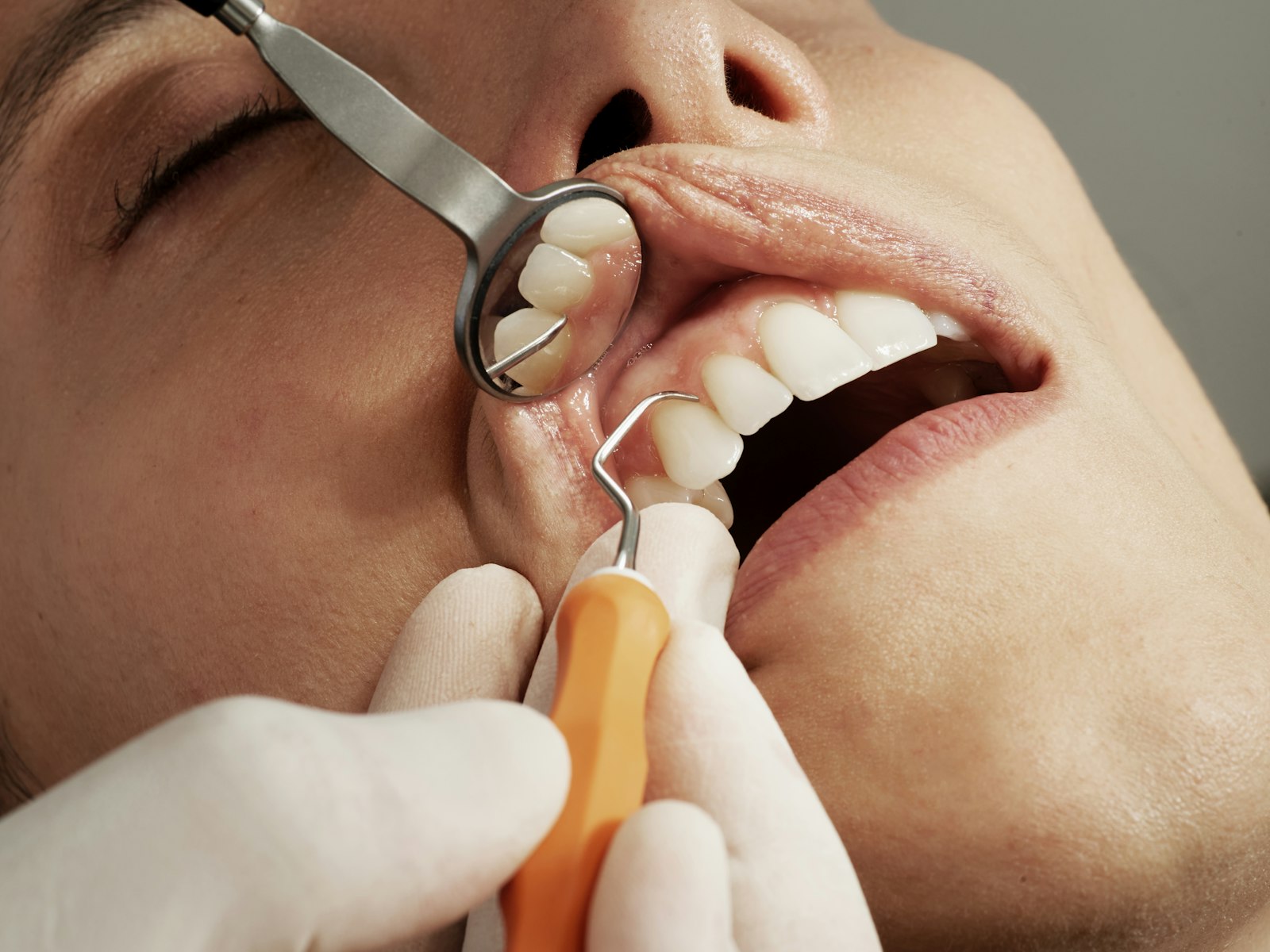

Finding out that an old silver filling contains mercury leads many people to assume it should come out. For most adults the evidence points the other way. The Australian Dental Association and other major health bodies regard amalgam as a safe filling material for the general population, and drilling out a sound filling usually costs more healthy tooth than it saves.
A sound filling is usually best left alone
An amalgam filling that is intact, sealed at its edges and free of decay around it is doing its job. Removing it means cutting away the old material, and almost always some of the surrounding tooth with it, so the new filling ends up larger than the old one. The drilling itself also causes a temporary increase in exposure to mercury vapour.
There is no good evidence that replacing intact amalgam fillings improves general health. For that reason, dentists usually suggest replacing one only when there is a dental reason to do so. Our article on when amalgam removal may be worthwhile covers those situations and the precautions taken during removal.
How much mercury an intact filling gives off
Amalgam is an alloy of mercury with silver, tin and copper. Once it sets, the mercury is locked into that metal structure rather than sitting there as liquid. Chewing and grinding can release tiny amounts of vapour from the surface, and the Australian Dental Association notes these amounts are measured in nanograms, and that other sources usually have more influence on the body's mercury levels.

Why amalgam is being phased down anyway
Use of amalgam is falling worldwide, and the main drivers are environmental rather than a finding that existing fillings harm patients. Mercury from dental waste can end up in waterways, and the Minamata Convention on Mercury, to which Australia is a party, commits countries to phase down dental amalgam. The European Union went further and has stopped most new amalgam use since 2025, with narrow exceptions.
Appearance plays a part too. Tooth coloured composite resin has become much stronger and longer lasting than early versions, and most people prefer a filling that does not show. The trade-offs between the two materials are set out in our comparison of white and silver fillings.
Groups who are often steered to other materials
In Australia, the Dental Board's position on the Minamata Convention is that amalgam is not recommended for baby teeth, for patients under 15, or for people who are pregnant or breastfeeding, unless the dentist judges it necessary for that patient. The US Food and Drug Administration adds people with kidney dysfunction or neurological impairment, and anyone more sensitive to mercury or the other metals in the alloy. This is a precaution, not evidence that existing fillings have caused harm, and it does not mean these groups should have sound fillings removed.
If any of these apply to you, mention it before a new filling so the material can be chosen with that in mind. For children with early decay, there are also gentler options such as the approach described in SMART fillings.
Good reasons to replace an old amalgam
An amalgam filling can still wear out or fail. Replacing it is reasonable when:
- new decay has started at the edge of or under the filling
- the filling or the tooth around it has cracked
- the edges have broken down and are trapping food or leaking
- you want a tooth coloured result and understand the trade-off of removing some tooth
When a replacement is needed, the steps are much like any other filling, which our guide to what to expect when getting a filling walks through.
Common questions
Can amalgam fillings make me unwell?
The Australian Dental Association states that the weight of evidence does not link amalgam fillings with chronic or degenerative disease. People with severe kidney disease are treated as a more vulnerable group. If you have a specific health concern, raise it with both your dentist and your doctor.
I am pregnant and need a filling. What happens?
A tooth coloured material is usually used during pregnancy and breastfeeding. Existing amalgam fillings in good condition do not need to be removed.
Do dentists still place amalgam?
Less often than in the past. It is still permitted in Australia, but its use is being phased down under the Minamata Convention, and it is not recommended for the groups listed above.
Talking through your fillings
If you are unsure whether an old filling needs attention, a check-up with a dentist will show whether it is still sound, and you can talk about a tooth coloured option for any future work without pressure. You can read more about general dentistry at Lumi Dental in Melrose Park or see our current offers.
This article is general information and is not a substitute for personal dental advice.








