


Not every cavity has to be drilled out to be treated. With SMART, the decay is first painted with a silver fluoride solution to stop it progressing, and the hole is then sealed with a tooth-coloured glass ionomer filling. For many teeth this means no drill and no injection, which can make a real difference for a young child or anyone who finds dental treatment hard.
The name is short for Silver Modified Atraumatic Restorative Technique. It can be provided by a dentist or oral health therapist, and at Lumi Dental our oral health therapists focus on preventive and minimally invasive care for children and adults.
Two materials, two jobs
SMART pairs two treatments that each cover a weakness of the other.
Silver fluoride arrests decay. Applied to a cavity, it hardens the softened tooth and makes the area much less hospitable to the bacteria driving the decay. On its own, though, it leaves the hole in place. Food can still pack into it, and the tooth can still be awkward to clean and chew on.
Glass ionomer fills that gap. It bonds chemically to the tooth, so it can be placed without cutting away much tooth structure, and it releases small amounts of fluoride over time. Sealing the cavity restores the shape of the tooth and makes it far easier to keep clean. Our article on silver diamine fluoride explains the silver step in more depth.
What happens at the appointments
SMART can be done in a single visit or spread over two:
- The tooth is cleaned and kept dry with cotton rolls.
- Silver fluoride is applied to the decayed area. Some silver fluoride products are applied in two steps, the second containing potassium iodide.
- At the same visit or a follow-up appointment, the treated cavity is checked and a tooth-coloured glass ionomer filling is placed over it.
Each step is quick, and most patients find it comfortable. Your dentist or oral health therapist will explain the plan for your child or for yourself before starting.
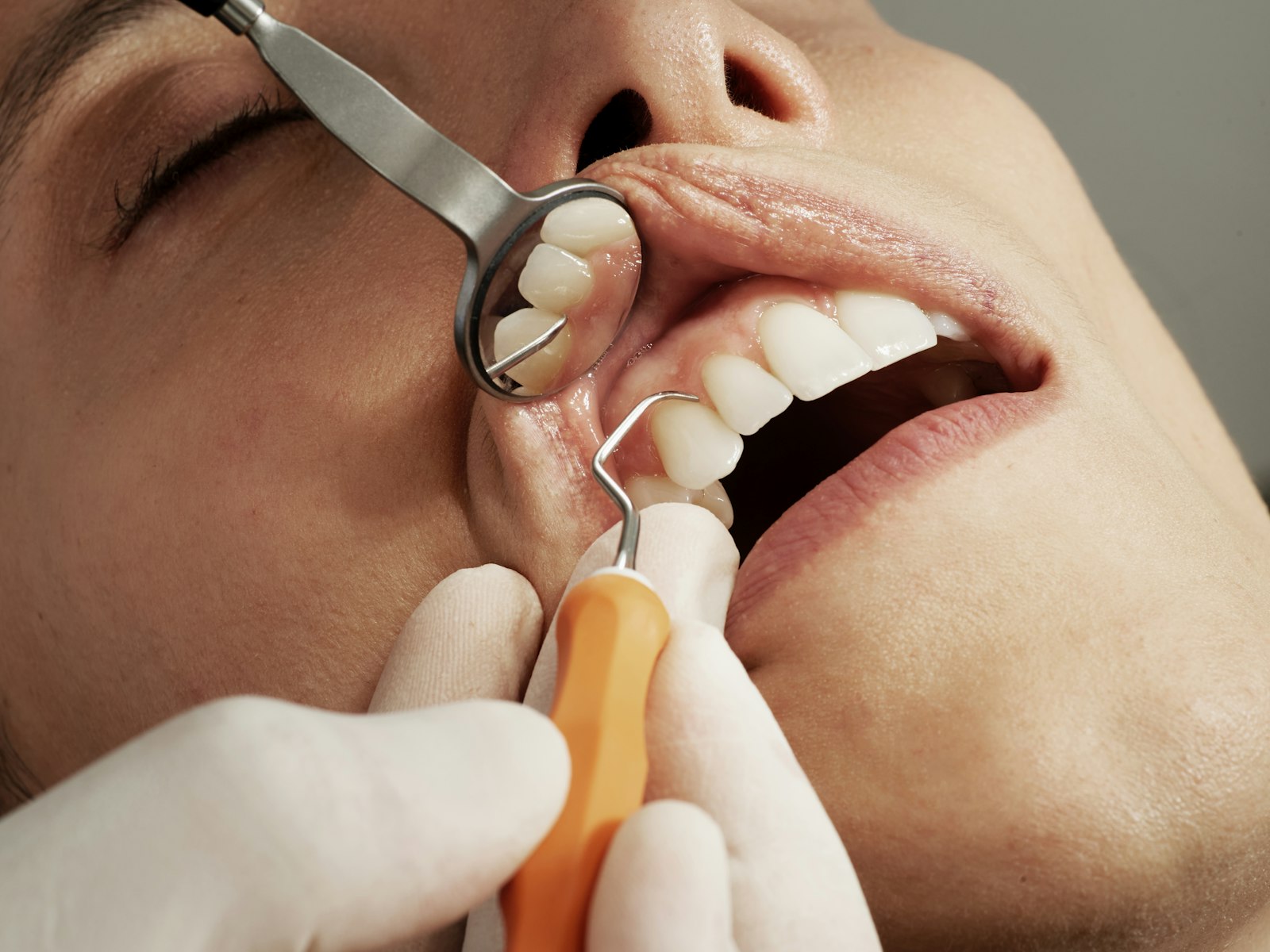
The treated area will darken
This is the main trade-off, and it is worth understanding before treatment. Silver compounds turn decayed tooth dark brown or black as they work. The glass ionomer filling covers much of the treated area, but some darkening can still show, particularly around the edges.
The potassium iodide step is intended to limit that staining, but it does not prevent it reliably. A 2025 randomised trial by See and colleagues in JDR Clinical and Translational Research, carried out in adults with special needs, found that lesions treated with a silver fluoride and potassium iodide product were clearly darker three months later, much like those treated with a comparison silver fluoride product. Both products were effective at arresting the decay. On a back tooth the colour often matters less; on a front tooth it is worth talking through first.
Who SMART can suit
SMART is often chosen for:
- young children who may not cope with a conventional filling
- people who are anxious about dental treatment
- people who find long appointments or sitting still difficult
- people with additional needs
- decay that has not reached the nerve of the tooth
It is not suitable for a tooth with ongoing pain, swelling or signs of infection, which usually point to nerve involvement and need different treatment. Silver fluoride should not be used for someone with a silver allergy. A clinical examination is needed to confirm whether SMART is right for a particular tooth.
How it stacks up against other options
| Silver fluoride alone | SMART | Conventional filling | |
|---|---|---|---|
| Drill | No | Usually not | Yes |
| Injection | No | Usually not | Often |
| How decay is managed | Arrested in place | Arrested, then sealed | Removed |
| Tooth shape restored | No | Yes | Yes |
| Appearance | Treated area turns dark | Darkening partly covered | Tooth-coloured or metal |
Research on SMART is still developing. A 2026 systematic review and meta-analysis by Rubio-Membrillo and colleagues in Frontiers in Dental Medicine compared SMART with conventional atraumatic restorations in baby teeth and found no clear difference in overall success between the two, while noting that the certainty of the evidence was low. In practice, both are considered reasonable minimally invasive choices.
Looking after a SMART filling
Glass ionomer is less hard-wearing than some other filling materials and can wear or chip over time, so it may need repair or replacement. The silver fluoride may also be reapplied at later visits. Regular reviews let your dentist or oral health therapist check that the decay has stayed inactive and the filling is intact.
Prevention at home carries a lot of the load. Brushing twice a day with fluoride toothpaste, cleaning between the teeth and keeping sugary snacks and drinks to mealtimes all help. For children, our guides on how much fluoride toothpaste children need and fluoride varnish for children cover the everyday side.
Questions about SMART fillings
Does SMART hurt?
Most people find it comfortable. The silver fluoride is brushed on, and the filling is usually placed without drilling or an injection.
Is it only for children?
No. It is common in children, but adults can have it too, including people who are anxious or who have additional needs.
Who do I book with?
Ask for an appointment with a dentist or one of our oral health therapists, who can check whether SMART suits the tooth.
Booking a SMART assessment
Our oral health therapists Sabrina Tran and Jennifer Nguyen see children, adults and families, with a focus on prevention and minimally invasive care. Eligible children can be bulk billed under the Child Dental Benefits Schedule. You can book online and ask for an oral health therapist appointment, or see current offers on our current deals page.
This article is general information and not a substitute for personalised advice. A clinical examination is needed to confirm whether SMART is suitable.







