
Bad breath with dentures almost always comes from a film of bacteria and yeast living on the denture and on the gum underneath it, and most cases improve within a week or two once the cleaning routine and the night-time break are fixed. Denture acrylic is slightly porous, so it holds a biofilm that produces the same sulphur gases behind ordinary bad breath. A literature review published through PubMed Central reports that hydrogen sulphide, the main rotten-egg gas of halitosis, is found at higher levels in removable denture wearers than in non-wearers, and is linked to a coated tongue and to wearing dentures overnight.
Written by Dr James Tran, BDent (University of Sydney), MICOI, GradDip (Oral Implants), general dentist at Lumi Dental in Melrose Park.
The short version
- Denture odour is biofilm odour. Acrylic holds bacteria and Candida yeast that make volatile sulphur compounds; our guide to bad breath causes and treatment covers the gases themselves.
- The two habits that matter most are brushing the denture out of the mouth twice a day and taking it out overnight.
- Toothpaste scratches acrylic. Use a denture brush with mild soap or a denture cleanser, and never hot water.
- Clean the mouth too: gums, palate, tongue and any remaining teeth.
- If the smell persists, suspect denture stomatitis, dry mouth, gum disease around partial denture clasps, or an old denture that no longer fits.
- Lumi Dental provides dentures and denture relines.
Why dentures smell: acrylic, biofilm and the tissue underneath
Most dentures are made from an acrylic called polymethyl methacrylate. The PubMed Central review notes that bacteria readily form a biofilm on this material, that the biofilm gives them a protected niche that is hard to remove, and that a poorly cleaned denture therefore acts as a reservoir for persistent halitosis. The gases are the same ones behind bad breath around natural teeth: hydrogen sulphide, methyl mercaptan and related compounds.
The denture is only half of it. The gum and palate under a denture are covered for most of the day, warm, moist and starved of saliva. That suits Candida, and when it takes hold the palate turns red under an upper plate, a condition called denture stomatitis that is often painless, so the first sign is the smell; our denture stomatitis guide explains the treatment. Saliva matters as well: the review reports that low flow is a recognised risk factor for mouth odour, and that dryness combined with skipping the night-time break correlates with higher sulphur compound levels.
The usual causes, what you notice and the fix
In my experience the smell is rarely caused by one thing. This is the checklist I run through.
| Cause | What you tend to notice | The fix |
|---|---|---|
| Denture not brushed daily | Smell returns within hours; a slippery film on the fitting surface | Brush all surfaces out of the mouth morning and night; soak in a cleanser as directed |
| Sleeping in the denture | Worst breath in the morning; sore or red palate | Remove overnight, clean, and store as your dentist advises |
| Food trapped under a loose denture | Grit under the plate after meals; reliance on adhesive | Rinse after meals; have the fit checked (reline or new denture) |
| Denture stomatitis (Candida) | Red, sometimes spotty palate the shape of the denture; cracked mouth corners | Night-time removal, thorough cleaning and, where needed, antifungal treatment after an examination |
| Dry mouth | Sticky saliva, a denture that will not stay up | Water through the day, a medicines review with your GP, extra care with cleaning |
| Coated tongue | White or yellow coating at the back of the tongue | Clean the tongue daily with a soft brush or scraper |
| Gum disease around remaining teeth or clasps | Bleeding when brushing, bad taste, loose natural teeth | Examination, gum therapy with the hygiene team, daily cleaning around the clasps |
| Old, scratched or stained denture | Smell survives a good routine; visible roughness or staining | A reline or a replacement denture, after an examination |
If the smell is worst in the morning, start with the night routine
That is the single rule. The Better Health Channel is blunt about it: take your dentures out before going to sleep, because leaving them out overnight gives the mouth a chance to rest and recover and helps prevent fungal infections. Teeth.org.au compares it to taking off your shoes and socks. The PubMed Central review adds that odour in full denture wearers can be reduced not only by good denture hygiene but by keeping to the night-time break.
Removing the denture for a few hours in the evening is better than nothing, but the overnight break is what the tissue needs; our article on whether you should sleep with dentures in covers the exceptions.

A cleaning routine that actually removes the biofilm
Rinsing a denture under the tap does not remove biofilm. Brushing does. Teeth.org.au recommends brushing the denture morning and night, always out of the mouth, with a spare toothbrush or a denture brush and liquid hand soap, and never toothpaste, which it describes as too rough for plastic. Work over a towel or a bowl of water in case it drops.
Soaking comes second. Teeth.org.au advises a denture cleaning solution from the supermarket or pharmacy, and for hard tartar deposits suggests an overnight soak in white vinegar diluted one part to four, then cleaning as usual. One caution from Better Health: never use hot water, as it can change the shape and fit of the denture. The PubMed Central review cites a small study in which a cleanser alone did not lower sulphur gas levels, so soaking adds to brushing rather than replacing it.
Then clean the mouth itself. Healthdirect advises brushing your gums and tongue every day even if you have no natural teeth, and Better Health adds the roof of the mouth. Remaining teeth are brushed with fluoride toothpaste while the denture is out; our guide to tongue cleaning and bad breath shows the technique.
Storage is the one point where the Australian sources differ: Better Health suggests a clean, dry container overnight, while healthdirect says dentures can be stored dry or in water and recommends asking your dentist. I usually suggest water for an older acrylic denture that has always been stored wet.
When the denture itself is the problem: fit, age and relines
A denture that fitted well years ago may not fit now. Teeth.org.au notes that the shape of the mouth changes over time; sometimes older dentures need more material added to the base to fit securely again, and sometimes a new denture is the better option. A loose denture traps food, rubs the gum and needs adhesive, all of which feed the smell.
Relining is interesting from an odour point of view. The PubMed Central review reports a significant reduction in halitosis immediately after a reline, attributed to the thorough cleaning done beforehand and the removal of a layer of base material that carried the bacteria. It also cautions that dentures worn for many years can be colonised so deeply that reline material may not bond well, one reason a very old denture is often replaced instead. Our comparison of denture relines versus new dentures walks through that decision.
When bad breath is not the denture
The PubMed Central review reports that in more than 80 percent of people with halitosis the source is microbial activity in the mouth, leaving a minority with causes in the sinuses, throat or the rest of the body. Dry mouth sits in between: teeth.org.au notes that low saliva makes it difficult for dentures to stay in place and advises denture wearers with dry mouth to remove them every night and clean them well every day. Our article on dry mouth causes and treatment covers the options.
Better Health lists bad breath among the denture problems that warrant a visit to a dental practitioner, alongside pain, ulcers lasting more than two weeks, bleeding gums and swelling. If the smell survives two weeks of a careful routine, book the check.
How we approach this at Lumi Dental
At Lumi Dental in Melrose Park, a denture that smells is examined rather than simply cleaned. The dentist checks the fit, the gum and palate underneath, any remaining natural teeth and the saliva, and asks about medicines and sleep habits. The hygiene team, which includes oral health therapists, provides cleans and gum therapy around partial denture clasps and demonstrates the routine. Lumi Dental provides dentures and denture relines, and for patients tired of a loose lower denture the team can discuss implant-retained overdentures or a fixed All-on-X bridge, planned with the in-house 3D X-ray. Our general dentistry page is the place to start.
Questions patients ask
Why do dentures still smell after cleaning them?
Usually because biofilm sits in scratches and pores that a rinse or a toothpaste scrub does not reach. Brush with a denture brush and soap, soak in a cleanser as directed, and clean the tongue and palate as well. If the denture is old or stained, the acrylic itself may be holding the odour.
Can you use toothpaste or household bleach on dentures?
Not toothpaste; teeth.org.au says it is too rough for plastic, and the scratches harbour more bacteria. Household bleach is not something I recommend at home, as it can affect the colour of acrylic and the metal parts of a partial denture. A product made for dentures is the safer route.
Is it bad to sleep with dentures in?
Yes, for the gum underneath and for your breath. Better Health advises removing dentures before bed so the mouth can rest and to help prevent fungal infection, and the research above links overnight wear with higher sulphur gas levels.
Do denture cleanser tablets get rid of bad breath on their own?
Not reliably. A small study cited in the PubMed Central review found that a cleanser alone did not reduce sulphur gas levels. Cleansers help disinfect and lift stains, but brushing removes the biofilm, so use both.
Will a reline fix the smell?
Often, because the procedure cleans the denture thoroughly, replaces the layer of material that carried the bacteria, and a better fit traps less food. A very old or heavily colonised denture may be better replaced.
Dentures that smell or no longer fit? Complimentary denture and implant consult in Melrose Park
If your dentures smell despite a good routine, feel loose, or leave the roof of your mouth red and sore, the team at Lumi Dental in Melrose Park can examine the denture and the tissue beneath it and tell you plainly whether a cleaning change, a reline, a new denture or implants makes sense. Contact Lumi Dental to arrange a complimentary consult, or read about dental implants at Lumi Dental. Patients visit from Ryde, Parramatta, Ermington, Rydalmere and nearby suburbs.
Sources
- Australian Dental Association (teeth.org.au): Dentures
- Better Health Channel: Dentures
- healthdirect: Dentures
- PubMed Central: The Problem of Halitosis in Prosthetic Dentistry, and New Approaches to Its Treatment, a Literature Review
About the author
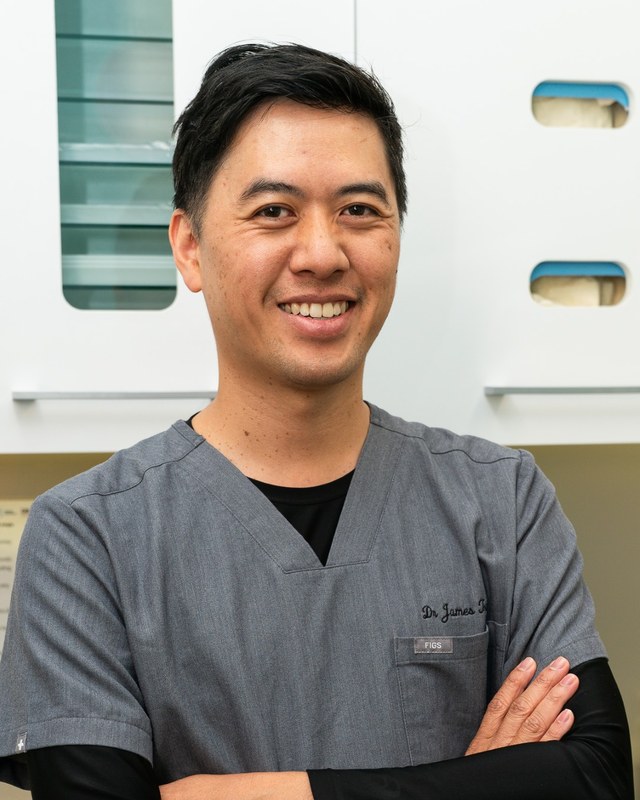
Dr James Tran is a general dentist at Lumi Dental in Melrose Park. He holds a BDent from the University of Sydney and a Graduate Diploma in Oral Implants, and is a Member of the International Congress of Oral Implantologists (MICOI).
This article is general information only and is not a substitute for an examination and individual advice from a registered dental practitioner. Suitability for any treatment varies from person to person.