



Bakers and other flour dust workers face a distinct pattern of tooth wear and decay that dental professionals sometimes refer to informally as baker's caries, driven by constant exposure to flour, sugar and dough throughout a shift. Standing over proving dough, tasting batches, and working in a hot kitchen for hours can quietly reshape the oral environment in ways that many bakers never connect back to their job. The combination of airborne flour dust, near constant small tastes of dough and icing, and dehydration from oven heat adds up to a set of risks that is different from an office job or an outdoor trade. Understanding these risks is the first step toward protecting a smile that has to last through decades of early starts and long shifts.
Key Takeaways
- Frequent tasting and grazing on dough, offcuts and icing throughout a shift can expose teeth to sugars and fermentable carbohydrates far more often than three regular meals a day.
- Flour dust settling on the lips and teeth, combined with mouth breathing near ovens, may contribute to a persistently dry oral environment.
- Oven heat and early, often rushed starts can lead to lower fluid intake and reduced saliva flow during a shift.
- Reduced saliva is significant because saliva is the mouth's main defence against acid and bacteria, so less of it typically means higher decay risk.
- A simple "bakery kit" of water, sugar-free gum and lip balm, plus a fixed brushing routine, can meaningfully reduce cumulative risk.
- Occupational dental changes tend to build up slowly over years, so early check-ups and honest conversations with your dentist about your job matter.
- Some research into flour dust exposure has linked bakery work to broader health considerations, which is a reason to treat oral symptoms as worth mentioning at your next visit.
Why Bakery Work Is Tough on Teeth
Most occupational dental problems come down to two things: what touches the teeth, and how often it happens. Bakery work scores highly on both counts, which is why this trade deserves its own conversation about prevention rather than generic advice aimed at any workplace.
Constant Grazing on Dough, Offcuts and Sugar
A baker rarely eats the way a dietitian would recommend. Instead, the working day is often built around dozens of small tastes: a pinch of raw dough to check consistency, a broken biscuit or misshapen offcut eaten standing up, a lick of icing off a spatula, a taste test of a new glaze. Individually these are tiny amounts. Across an eight or ten hour shift, though, they can add up to near continuous low-level sugar and starch exposure. Every time sugar or refined carbohydrate touches the teeth, the bacteria in dental plaque produce acid for around twenty to thirty minutes. When those exposures are spaced only a few minutes apart, the mouth may never get a real chance to recover its normal, more neutral pH before the next hit arrives. This grazing pattern, more than any single food, is typically the biggest driver of what gets informally called baker's caries.
Flour Dust Settling on Teeth and Lips
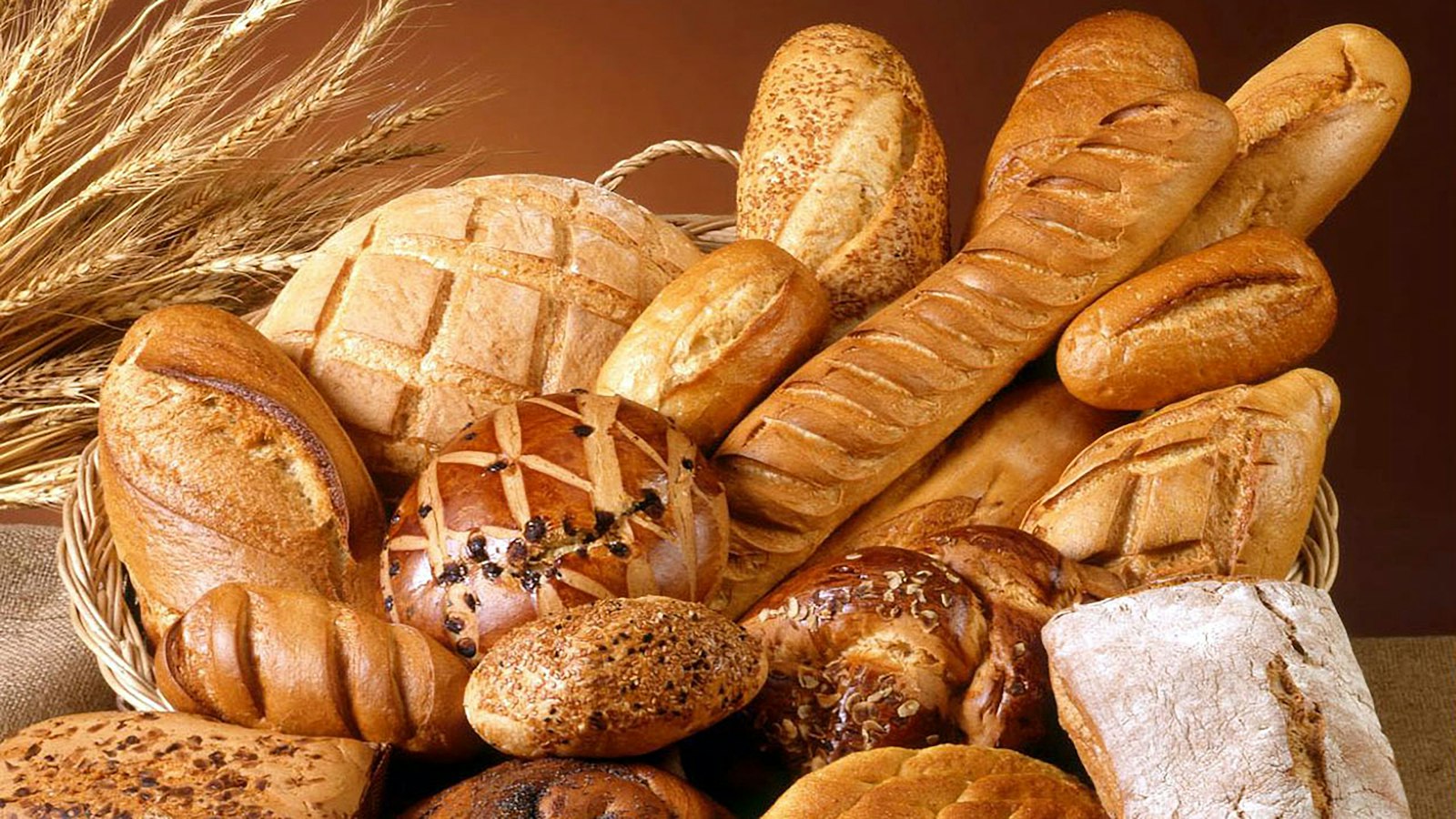
Flour dust is unavoidable in most bakeries, especially during mixing, kneading and dusting benches. Fine particles settle on exposed skin, in the airways, and on the teeth and lips. Some occupational health research into bakery workers has looked at flour dust exposure primarily from a respiratory and skin sensitivity angle, but the same dust also mixes with saliva on the tooth surface. Combined with dry, cracked lips from constant licking (a common habit when dough or hands are dusty), this can contribute to a chapped, irritated mouth that feels uncomfortable even before any decay develops.
Dry Mouth From Oven Heat and Early Starts
Commercial ovens push a lot of heat into a relatively confined kitchen space. Combined with early starts that often mean skipping a proper breakfast or drinking coffee instead of water, many bakers spend a large part of their shift in a mildly dehydrated state. This matters more than it might seem.
Why Saliva Matters
Saliva is the mouth's natural defence system. It buffers acid, washes away food debris, and carries minerals like calcium and phosphate that help re-harden enamel after an acid attack. When saliva flow drops, whether from heat, dehydration, mouth breathing, or tiredness, that defence weakens right at the moment when frequent grazing is putting extra demand on it. This is a similar mechanism to what shift workers and other dry mouth prone occupations experience, and it is worth reading alongside our guide on CPAP machines and dry mouth if you also use a CPAP device at home, since the two dry mouth sources can compound each other.
Building a Bakery Kit and a Realistic Routine
Nobody expects a baker to stop tasting batches or working near ovens. The more realistic goal is to build small habits around the job that reduce cumulative damage without slowing down production.
- Keep a water bottle within reach and take small sips through the shift rather than relying on tea or coffee alone.
- Reach for sugar-free chewing gum after tasting something sweet, since chewing stimulates saliva flow and can help clear sugars faster.
- Try to swallow tastes rather than swishing sugary dough or icing around the mouth for longer than needed.
- Keep a fragrance-free lip balm at your station for dry, flour-dusted lips.
- Rinse with plain water after a heavy tasting session rather than brushing straight away, since brushing immediately after an acidic or sugary exposure can be harder on softened enamel.
- Book a proper brushing and flossing routine at the start and end of the day, even when a shift starts before sunrise.
| Prevention option | What it does | General market cost range |
|---|---|---|
| Electric toothbrush | More consistent plaque removal than manual brushing for many people | $40 to $250 |
| High fluoride toothpaste (prescription strength) | Extra enamel protection for higher risk mouths | $15 to $30 per tube |
| Professional fluoride varnish application | Concentrated fluoride applied by a dentist a few times a year | $40 to $90 per visit |
| Custom night guard (for associated clenching) | Protects enamel from grinding, common in high pressure kitchen roles | $300 to $700 |
| Sugar-free gum (daily habit) | Stimulates saliva flow after sugar exposure | $3 to $8 per pack |
These figures reflect general Australian market ranges rather than any single practice's pricing, since actual costs depend on your specific situation. If you would like a personal assessment of what your mouth actually needs, a general dentist check-up with a written quote is the most reliable way to know your real numbers rather than guessing from averages.
How Baker's Caries Compares to Other Occupational Patterns
Bakers are not the only tradespeople whose job shapes their dental risk. Nurses and other healthcare workers dealing with irregular shifts, discussed in our piece on nurses and healthcare workers' dental health, often struggle with rushed meals and vending machine snacking rather than direct food exposure. Chefs and hospitality staff, covered in our article on chefs and hospitality workers' dental health, share the tasting habit with bakers but tend to face more acidic sauces and alcohol exposure rather than flour and sugar specifically. Recognising which pattern applies to your own trade can help you and your dentist target prevention more precisely instead of relying on generic advice.
Common Questions
Is baker's caries a recognised medical condition?
Baker's caries is not a formal diagnostic term used in dental textbooks, but it is a widely used informal description among dentists for the pattern of decay seen in workers with heavy, frequent exposure to flour and sugar, similar to how "meth mouth" or "bulimia erosion" describe recognisable patterns rather than official diagnoses.
Can flour dust itself cause tooth decay?
Flour dust on its own is not highly acidic or sugary, so it is unlikely to directly cause decay, but it settles on tooth surfaces and dry lips and can compound the effects of frequent sugar exposure and reduced saliva flow that are more common in bakery work.
Why do bakers often report dry mouth?
Oven heat, early starts with little fluid intake, and sometimes mouth breathing near hot equipment can all reduce saliva flow, and less saliva means less natural buffering against the acid produced when sugars are broken down by plaque bacteria.
Should bakers avoid tasting dough and icing altogether?
Tasting is a practical necessity of the job, so the more realistic approach is to reduce how long sugars sit in the mouth, rinse with water afterwards, and chew sugar-free gum rather than trying to eliminate tasting completely.
Does workwear or a face mask make a difference to flour dust exposure in the mouth?
A well fitted mask used during heavy dusting or mixing tasks can reduce how much flour reaches the mouth and airway, and while this is mainly discussed for respiratory reasons, it may also modestly reduce dust settling on teeth and lips during those specific tasks.
How often should a baker see a dentist compared to someone in an office job?
There is no universal rule, but given the frequency of sugar exposure and dry mouth risk in bakery work, many dentists suggest more frequent check-ups, often every six months or sooner if you notice sensitivity, so problems can be caught and managed early rather than discovered as a bigger issue later.
If your job has you elbow deep in dough and dusted in flour more days than not, it is worth having a dentist look specifically for the early signs of baker's caries rather than waiting for pain to show up. The team at Lumi Dental offers thorough general dentist check-ups built around your actual routine, and you can see current appointment offers on the current deals page or ask for a free consult and written quote before committing to any treatment.

