


Baristas coffee dental health comes down to timing and repetition: it is less about how much coffee you drink and more about how often your teeth are bathed in it, sugar and acid across a long shift. Tasting every shot, sipping a flat white between orders and talking over the grinder all day are ordinary parts of the job, yet together they may stain teeth, soften enamel and dry the mouth. This guide explains what is happening and offers small, realistic habits that can fit around a busy rush.
Key Takeaways
- Frequent tasting and sipping usually matters more for teeth than the total volume of coffee consumed.
- Coffee and tea contain pigments that tend to build up on enamel, especially where plaque or rough surfaces are present.
- Sugar, flavoured syrups and sweetened milk feed decay bacteria, and the acid they produce can weaken enamel between meals.
- Constant talking, caffeine and a busy pace may reduce saliva, which leaves teeth less protected.
- A quick water rinse after tasting, and waiting before brushing, are simple habits that may help.
- Sensitivity that lingers is worth a check, because it can point to erosion, gum recession or a cracked tooth.
Why Constant Tasting Adds Up
A barista might taste dozens of shots, milk temperatures and test drinks in a single shift. Each taste is small, but each one gives your mouth a new dose of acid and, sometimes, sugar. After that, saliva needs time to neutralise things, and it may not get that time if the next taste arrives ten minutes later.
Compare that with a customer who drinks one coffee at a table. The customer has a single exposure. You may have thirty. That difference in frequency is why baristas can see more wear and staining than their coffee volume alone would suggest. It also echoes what I see in other food service roles, so our article on dental health for chefs and hospitality workers is a useful companion read.
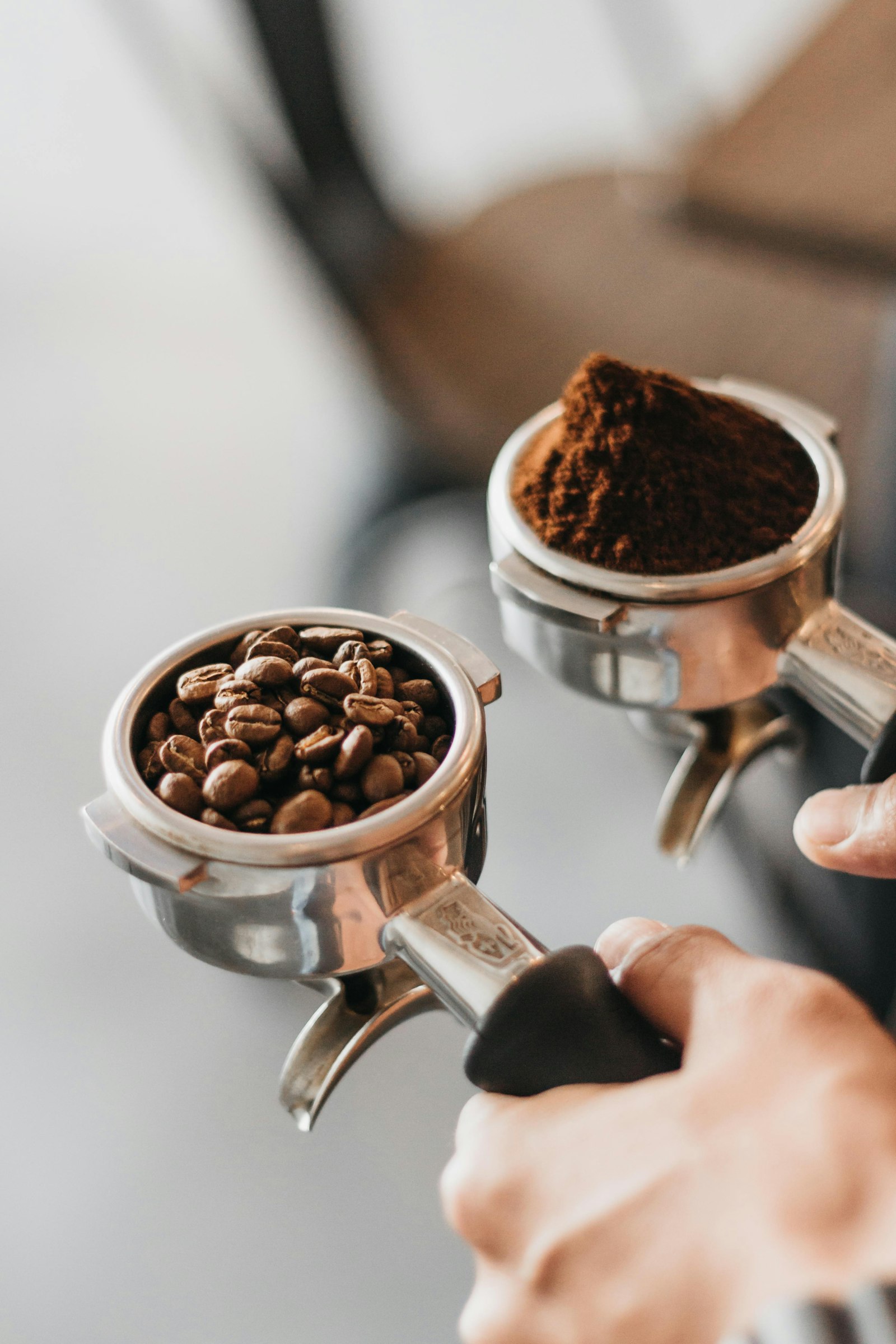
Coffee and Tea Staining
Coffee and tea contain compounds called tannins and other pigments that tend to attach to the thin film that forms on teeth. Enamel is not solid glass. It has microscopic texture, and pigments settle into that texture, particularly along the gumline and in small grooves.
Staining is typically a surface issue and may be reduced with regular cleaning, but darker, older stains sometimes need a professional clean. Whitening is a separate conversation, and it is best done after a check-up so that any decay or sensitivity is dealt with first.
Habits that may reduce staining
- Take a mouthful of water after a taste or a drink.
- Brush twice a day with fluoride toothpaste, and clean between the teeth daily.
- Avoid holding coffee in the mouth for long. Swallow rather than swirl.
- Have your teeth professionally cleaned regularly.
Some patients try strongly abrasive whitening toothpastes to remove stain. These can wear enamel over time, so it is worth asking your dentist before using them daily. If you use antibacterial mouthwash, note that some types can add their own stain, which is explained in our guide to chlorhexidine mouthwash and staining.
Sugar, Syrups and Milk
Flavoured syrups, sweetened chai, hot chocolate and sugar in a staff coffee all add up. Decay bacteria use sugar to make acid, and each acid attack can last a while. Milk on its own is less troubling for teeth than sugary drinks and contains calcium, but milk drinks with added sweetness behave differently.
Acidity matters as well. Black coffee is mildly acidic, and tea, lemon water and fruit-based drinks can be too. Enamel softens slightly during an acid exposure and can be worn more easily until saliva restores it. The pattern of sipping all day extends that softened period.
| Drink or habit | Main concern for teeth | Smarter approach |
|---|---|---|
| Black coffee sipped through the shift | Staining and repeated mild acid | Drink in one sitting, then rinse with water |
| Flavoured syrup drinks | Sugar feeding decay bacteria | Fewer pumps, or leave syrups for occasional treats |
| Sweet chai or hot chocolate | Sugar plus long contact time | Smaller size, finish quickly, follow with water |
| Iced coffee with sugar or cream | Slow sipping with sugar exposure | Drink through a straw and finish within a short time |
| Tasting plain milk or shots | Repeated small exposures | Use a small spoon, spit or rinse between rounds |
Sip All Day or Drink in One Go?
This is the question I get most from café staff, and the answer is timing. Having a coffee alongside a break, then rinsing, is generally kinder to teeth than keeping a cup at the elbow for hours. Every sip restarts the acid clock, while a single drink gives saliva a chance to do its job.
If you must sip, choose water as the default and keep coffee to defined times. Some baristas keep a water bottle beside the machine and take a swig after each round of tasting. It costs nothing and takes a few seconds.

Water Rinsing and When to Brush
A water rinse after a taste or a drink helps dilute acid and wash away sugar and pigment. Swish, then swallow or spit. It is quick enough to do between customers.
Brushing straight after an acidic drink may not be ideal, because enamel is slightly softened and can be abraded more easily. A common approach is to rinse with water first and wait around half an hour before brushing. Fluoride toothpaste, used twice daily, remains the foundation. Sugar-free gum can help stimulate saliva during a shift, and it is a practical option when you cannot get to a sink.
Dry Mouth from Caffeine and Constant Talking
Coffee is a mild diuretic for some people, and talking through a rush means breathing through the mouth more than usual. Heat from the machines and the pace of a shift can add to the effect. Together these may leave the mouth drier than normal, and saliva is exactly what protects teeth from decay and erosion.
Signs of a dry mouth include a sticky feeling, a burning tongue, stronger breath odour and more cavities than expected. If it is persistent, speak with your dentist, and if you take any regular medicine, never stop or change it without speaking to your doctor or pharmacist, since some prescribed medicines can also reduce saliva. Taking small sips of water throughout the shift, chewing sugar-free gum and avoiding alcohol-based mouthwash may help.
Sensitivity in Coffee Workers
Hot coffee, cold milk and iced drinks can all trigger sensitive teeth, especially if enamel has thinned or gums have receded. Sometimes sensitivity is simply a sign that something needs attention: worn enamel, a small cavity, a leaky filling or a crack. Our guide to sensitive teeth, causes and treatment explains how a dentist works out which one it is.
A desensitising toothpaste and gentle brushing technique often help mild cases. Sensitivity that wakes you at night, lingers after the drink is gone, or focuses on a single tooth deserves an appointment rather than more toothpaste.
A Shift-Friendly Routine
- Start the day with breakfast and brush before your shift, not after your first coffee.
- Keep water beside the machine and rinse after tasting.
- Limit syrups and sugar in staff drinks.
- Have coffee as a defined break, not a constant companion.
- Chew sugar-free gum during long stretches without a break.
- Brush at night with fluoride toothpaste and clean between the teeth.
Retail and counter roles share some of these patterns, especially standing for hours with limited breaks, and our article on dental health for retail and supermarket workers covers that side.
Common Questions
Does coffee damage your teeth?
Coffee can stain teeth and is mildly acidic, but the bigger issue is usually how often you sip it and what you add. Sugar and constant sipping typically matter more than a single cup.
Why do baristas get stained teeth?
Constant contact with coffee, tea and pigment-rich drinks lets stain build up on enamel and along the gumline. Regular rinsing, brushing and professional cleaning may reduce it.
Should I brush my teeth right after coffee?
It is usually better to rinse with water first and wait around half an hour before brushing. Enamel is slightly softened after acid exposure and can be worn more easily.
Is it better to sip coffee slowly or drink it quickly?
Drinking it in one sitting is generally better for teeth. Slow sipping over hours keeps your mouth acidic for longer and gives saliva little chance to recover.
Can caffeine cause dry mouth?
It may contribute for some people, especially combined with mouth breathing and constant talking. Water, sugar-free gum and a check-up can help if dryness is persistent.
Why are my teeth sensitive to hot and cold drinks?
Sensitivity often comes from worn enamel, exposed root surfaces, cavities or cracks. A dentist can identify the cause and suggest treatment that suits you.
Book a Check-Up Around Your Roster
If your teeth are stained, sensitive or feel dry, the team at Lumi Dental would be glad to look at them with you. New patients can see the current new patient offer, and you can read about our general dentist in Melrose Park. We offer a free consult and a written quote before any treatment. This article is general information and does not replace an assessment of your own mouth.


