

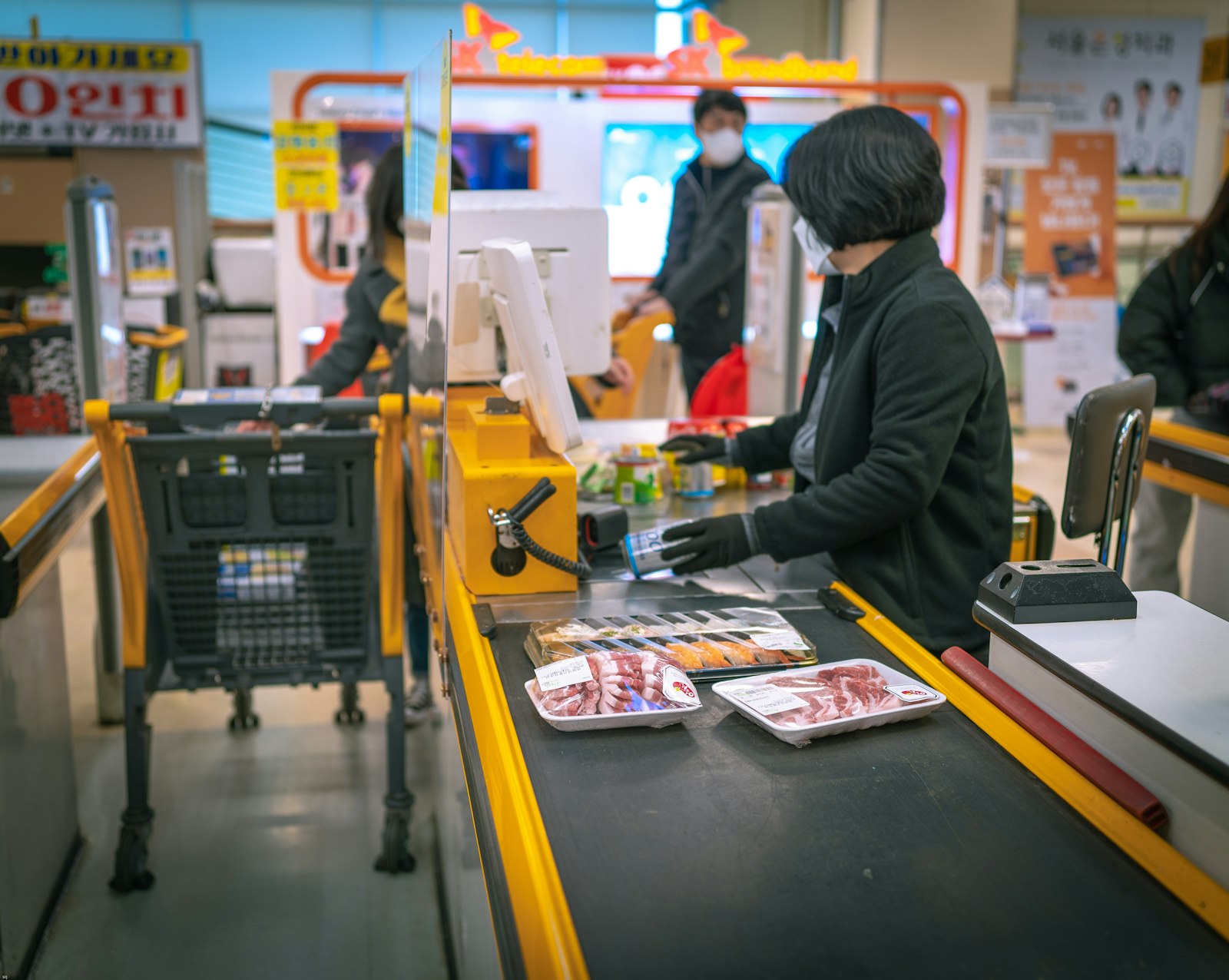

Retail and supermarket workers often develop a "graze all day" eating pattern built from small snacks between customers rather than three regular meals, and this constant grazing is one of the most overlooked contributors to tooth decay in the retail workforce. Standing for long shifts, working around food all day in a supermarket, and squeezing in quick breaks between customers all create a working environment where snacking replaces proper meals almost without anyone noticing. Add limited access to water at a checkout or shop floor and the standing fatigue that comes with an eight hour shift, and retail work builds its own particular pattern of dental risk that is worth understanding in its own right.
Key Takeaways
- Small, frequent snacks eaten between customers can expose teeth to sugar and acid far more often than three set meals a day.
- Being surrounded by food, lollies and staff-room treats for an entire shift makes casual snacking easy and almost automatic.
- Checkout and shop floor roles often limit easy access to water, which can reduce how much people drink during a shift.
- Standing for long periods increases general fatigue, which can lead to rushed or skipped brushing once a shift ends.
- This grazing pattern is a distinct risk profile from shift work fatigue alone and needs its own specific habits to manage.
- Small, deliberate changes to when and how you snack can meaningfully reduce cumulative exposure without asking you to give up treats altogether.
The "Graze All Day" Habit
Retail and supermarket shifts rarely allow for a proper sit-down meal in the middle of the day. Instead, many workers eat in short bursts, a handful of lollies from the confectionery aisle, a quick chocolate bar or gummy treat from the staff room (our piece on gummy vitamins and effervescent tablets covers a related sticky-sugar mechanism worth knowing), a sip of soft drink kept behind the counter, spread out across a whole shift. Each of these moments feels small and harmless on its own, but from a dental perspective, frequency matters more than total quantity.
Why Frequency Beats Quantity
Every time sugar touches the teeth, bacteria in plaque produce acid for roughly twenty to thirty minutes before the mouth's natural buffering brings things back toward neutral. Eating the same amount of sugar in one sitting exposes teeth to that acid attack once. Spreading the same sugar across ten small snacks throughout an eight hour shift can mean ten separate acid attacks, often without enough recovery time in between. This is the mechanism behind why grazing, more than any single treat, tends to drive decay risk in retail settings.

Working Around Food All Day
Unlike an office job where snacks require a deliberate trip to a kitchen or vending machine, retail and supermarket work often puts food within arm's reach constantly, whether that is stock being unpacked, confectionery at the checkout, or treats left in the staff room by colleagues. This proximity lowers the natural barrier to snacking that exists in most other workplaces, and over time it can normalise a level of sugar exposure that would seem unusual in a job with less food around.
How This Differs From Other Shift-Based Roles
Our article on nurses and healthcare workers' dental health covers a related but distinct pattern built around rushed meals and vending machine reliance during irregular shifts. Retail work shares the time pressure, but the defining feature here is proximity to food itself rather than shift timing alone, so the prevention focus needs to be different too.
Limited Water Access and Standing Fatigue
Checkout roles in particular can make it awkward to keep a water bottle within reach, and rules around drinking at a register vary between stores. Combined with the physical fatigue of standing for most of a shift, many retail workers report drinking noticeably less water at work than they do on days off. Lower fluid intake means less saliva production, and saliva is the mouth's main natural defence against the acid produced by frequent snacking, so the two problems can compound each other.
Building a Better Routine on the Shop Floor
- Try to bundle snacks with a main break rather than spreading them evenly across the whole shift, so your mouth gets longer stretches to recover.
- Ask about keeping a covered water bottle near your till or workstation if store policy allows it, and sip during quieter moments.
- Choose water or plain still drinks over soft drinks when you do have a drink at the register, since sipped soft drink across hours adds prolonged acid exposure on top of the sugar, and can also contribute to staining that teeth whitening is often asked about further down the track.
- Chew sugar-free gum after a sweet snack during a shift when brushing is not an option, to help stimulate saliva flow.
- Keep a travel toothbrush in your bag for a proper clean before or after a long shift, especially if you snacked heavily at work.

General Cost Ranges for Addressing Grazing-Related Decay
Frequent snacking without enough dental care in between can eventually show up as early decay or sensitivity. The figures below reflect general Australian market ranges rather than any single practice's pricing.
| Option | Purpose | General market cost range |
|---|---|---|
| Routine check-up and clean | Catches early decay before it needs bigger treatment | $150 to $250 |
| Small composite filling | Treats early to moderate decay from frequent sugar exposure | $180 to $350 per tooth |
| Fluoride toothpaste (higher strength) | Extra protection for frequent snackers | $10 to $25 per tube |
| Sugar-free gum (daily habit) | Helps stimulate saliva between snacks | $3 to $8 per pack |
If frequent snacking at work has left you with sensitivity or visible marks on your teeth, a general dentist check-up is the best way to find out exactly where things stand, rather than guessing from symptoms alone.
Common Questions
Is it really worse to snack all day than to eat three larger meals?
Yes, from a dental perspective, frequent small snacks tend to expose teeth to more separate acid attacks than the same total food eaten in fewer, larger meals, because each exposure restarts the acid production cycle in plaque.
Why do I feel thirstier on shift days than on my days off?
Standing for long periods, reduced opportunities to drink at a register, and general workplace fatigue can all reduce how much water retail workers drink during a shift compared to a day at home, which can also reduce saliva flow.
Are sugar-free lollies and drinks a safe alternative for grazing at work?
Sugar-free options avoid feeding decay-causing bacteria in the same way sugary snacks do, but some sugar-free products are still acidic, so water remains the safest default and sugar-free gum is generally a better choice than sugar-free lollies for frequent use.
How can I fit brushing into a retail shift?
Brushing mid-shift is rarely practical in a customer-facing role, so the more realistic approach is to reduce grazing frequency, rinse with water after a snack, and make sure your before and after shift brushing is thorough and unhurried.
Does standing all day actually affect my teeth?
Standing itself does not directly damage teeth, but the fatigue it causes can lead to rushed or skipped brushing once a shift ends, which indirectly increases risk when combined with grazing throughout the day.
Should I be worried about staff-room treats specifically?
Occasional treats are not a problem on their own, but staff rooms stocked with lollies and baked goods can normalise very frequent small servings across a shift, so it is worth being mindful of how often you reach for them rather than cutting them out completely.
If grazing on the job has started to catch up with your teeth, it is worth having a dentist take a proper look before small issues turn into bigger ones. The team at Lumi Dental offers thorough general dentist check-ups, and you can see current appointment offers on the current deals page or request a free consult and written quote to plan your next visit.

