Areca nut, the seed most people call betel nut, is classified by the International Agency for Research on Cancer as a Group 1 carcinogen, which means there is sufficient evidence that it causes cancer in humans. That classification applies to the nut on its own, with no tobacco added at all. Betel quid with added tobacco sits in the same Group 1 category. If you chew, or someone in your family does, this article explains what happens inside the mouth, what to look for, and when it is worth getting checked. It is written to inform, not to lecture.
Key takeaways
- Areca nut is a Group 1 carcinogen on its own. Betel quid with tobacco is also Group 1, so removing the tobacco does not make the habit safe.
- In parts of the Indian subcontinent and Taiwan, roughly half of all reported oral cancers are attributed to betel quid chewing.
- Areca nut can cause oral submucous fibrosis, where the lining of the mouth stiffens and mouth opening slowly reduces.
- Oral submucous fibrosis is not reversible, although stopping may slow how quickly it progresses.
- Any red or white patch, or any ulcer, that has not healed after two weeks should be looked at by a dentist or doctor.
- The risks reach past the mouth and include cardiovascular disease, cancers of the oesophagus, stomach and liver, and type 2 diabetes.
Betel nut, areca nut and paan: getting the words right
The vocabulary matters, because people often do not recognise their own habit in the words a health service uses. The areca nut is the seed of the areca palm. It is the part that is chewed. The betel leaf comes from a completely different plant, a climbing vine, and it is the wrapper.
Betel quid, also called paan, is the areca nut wrapped in a betel leaf, usually with slaked lime added, often with spices, sweeteners or catechu, and sometimes with tobacco mixed in. Common product names you may see on a sachet include gutka, zarda, mawa, supari and pan masala. Some come in small foil sachets and some are prepared at home.
The practice is common across South Asia, South East Asia and the Pacific, which matters a great deal in a catchment as diverse as ours in western Sydney. In my experience, most patients who chew answer no when asked whether they smoke, and they are answering honestly. That is exactly why it needs to be a separate question.
Why the nut itself carries the risk
Areca nut contains a group of alkaloids, the main one being arecoline. Chewing releases them into saliva, and the slaked lime raises the pH inside the mouth, which increases how much is released and absorbed. Arecoline is habit forming, which is a large part of why stopping is hard, and it is also toxic to the cells that line the mouth.
The evidence base behind the Group 1 classification includes sufficient evidence of carcinogenicity in animals and strong evidence that areca nut causes oral submucous fibrosis, a condition considered potentially malignant. Adding tobacco increases the risk further, but the nut alone is enough to earn the classification. That is the single most misunderstood point about this habit.
Beyond the mouth, chewing has been associated with leukoplakia, cardiovascular disease, cancers of the oesophagus, stomach and liver, and type 2 diabetes. It is a whole body exposure.

Oral submucous fibrosis, explained in plain terms
Oral submucous fibrosis is a slow build up of scar like tissue underneath the lining of the mouth. It most often affects the cheeks and the soft palate, and it can involve the lips and tongue. The tissue gradually loses its stretch, in the same way an old elastic band goes stiff.
The earliest complaint is usually burning when eating spicy food, along with a dry or slightly leathery feeling. Later, the cheek lining looks pale and marbled rather than pink, and firm bands can be felt running through it. As those bands tighten, mouth opening reduces. The medical word for restricted opening is trismus. Some people reach a point where a normal sized spoon is difficult.
Two things make this condition important. First, it is not reversible. Treatment aims to preserve the opening you still have and to keep the tissue under review, and stopping the habit is the single most useful thing anyone can do. Second, it is regarded as potentially malignant, so it needs monitoring rather than reassurance.
There is a practical knock on effect too. When mouth opening is limited, cleaning the back teeth, taking x rays and carrying out treatment all become harder, so problems tend to be found later.
Signs worth acting on
Use this as a rough guide to urgency. Anything on the list is worth mentioning even if it seems minor.
| What you notice | What it may indicate | Urgency |
|---|---|---|
| Red or white patch that will not wipe off | Leukoplakia or erythroplakia, both potentially malignant changes | See a dentist or doctor within days |
| Burning when eating spicy food | Early oral submucous fibrosis or thinning of the lining | Book a soft tissue check soon |
| Cheeks feeling tight or mouth opening getting smaller | Fibrous bands forming, progressing towards trismus | See a dentist promptly, opening rarely improves on its own |
| Deep red or brown staining on teeth and gums | Quid pigment, and a marker of how long and how often you chew | Routine, raise it at your next visit |
| Ulcer or sore that has not healed after two weeks | Needs assessment, may require a biopsy | Urgent, do not wait and watch |
| Loose teeth with receding gums | Gum disease, bone loss, chemical irritation from lime | See a dentist within weeks |
What chewing does to teeth and gums
The staining is the part patients ask about most. Quid pigment is deep red, brown or almost black, and it does not sit politely on the surface. It works into the fine cracks in enamel, into the margins of old fillings and into any exposed root surface, which means a professional clean cannot always remove all of it. Some staining can be polished away, some cannot.
The nut is genuinely hard, so long term chewers often show flattened cusps, worn down back teeth and small cracks. Where a quid is habitually parked, usually in the same corner of the same cheek, the slaked lime causes chemical irritation of the gum and the cheek lining. Over years that shows up as localised ulceration and gum recession in one specific spot. If you want more on that pattern, our guide to receding gums, their causes and treatment covers what can and cannot be repaired.
Many commercial sachet products are also sweetened, which adds a decay risk on top. Holding a sweetened product against the same teeth for hours is close to a worst case for the enamel there.
How to check your own mouth in five steps
Do this once a month, in good light, in front of a bathroom mirror, with clean hands.
- Pull each cheek outwards with a finger and look at the whole inside surface. You are looking for white or red patches, pale marbling and any area that feels firmer than the rest.
- Lift the upper lip and pull the lower lip down. Look at the gums above and below the teeth, front and back.
- Lift your tongue and look underneath it, then gently hold the tip with a tissue and look along both sides. The underside and the sides of the tongue are where most oral cancers begin, so give this step the most time.
- Tilt your head back and look at the roof of your mouth and as far back towards the throat as you can see.
- Run your fingers along your jawline and down the sides of your neck, feeling for lumps. Then open as wide as you comfortably can. Three of your own fingers stacked sideways should fit between your front teeth. If they no longer do, say so.
The rule that matters most is the two week rule. Mouths heal fast. An ulcer from biting your cheek or from a sharp tooth should be clearly improving within about a fortnight. Anything that has not healed in two weeks needs a professional look, even if it does not hurt. Painless is not the same as harmless. Our guide to oral cancer screening goes through what happens at that appointment.
If you are thinking about stopping
Stopping is worth doing at any stage, including after fibrosis has already started, because it may slow how fast things progress. It is also genuinely hard, and it is worth being honest about why.
Chewing is often social. It gets offered at weddings and family gatherings, it is handed to you by people you respect, and refusing can feel like refusing hospitality. Many people also use it for alertness, after meals, or to settle the stomach. On top of that, arecoline is habit forming, so cravings, irritability and headaches when you cut back are real rather than imagined.
What tends to help: pick a date and tell the people around you, so refusing at a gathering is expected rather than awkward. Clear the sachets out of the car and the kitchen drawer. Have a substitute ready for the after meal habit, such as sugar free gum, fennel seeds or cardamom. Talk to your GP, since quit services designed for tobacco can usually help with this too, and if your product contains tobacco you also have a nicotine dependence, which is separately treatable. Relapse is common and is not failure.
What a soft tissue check involves
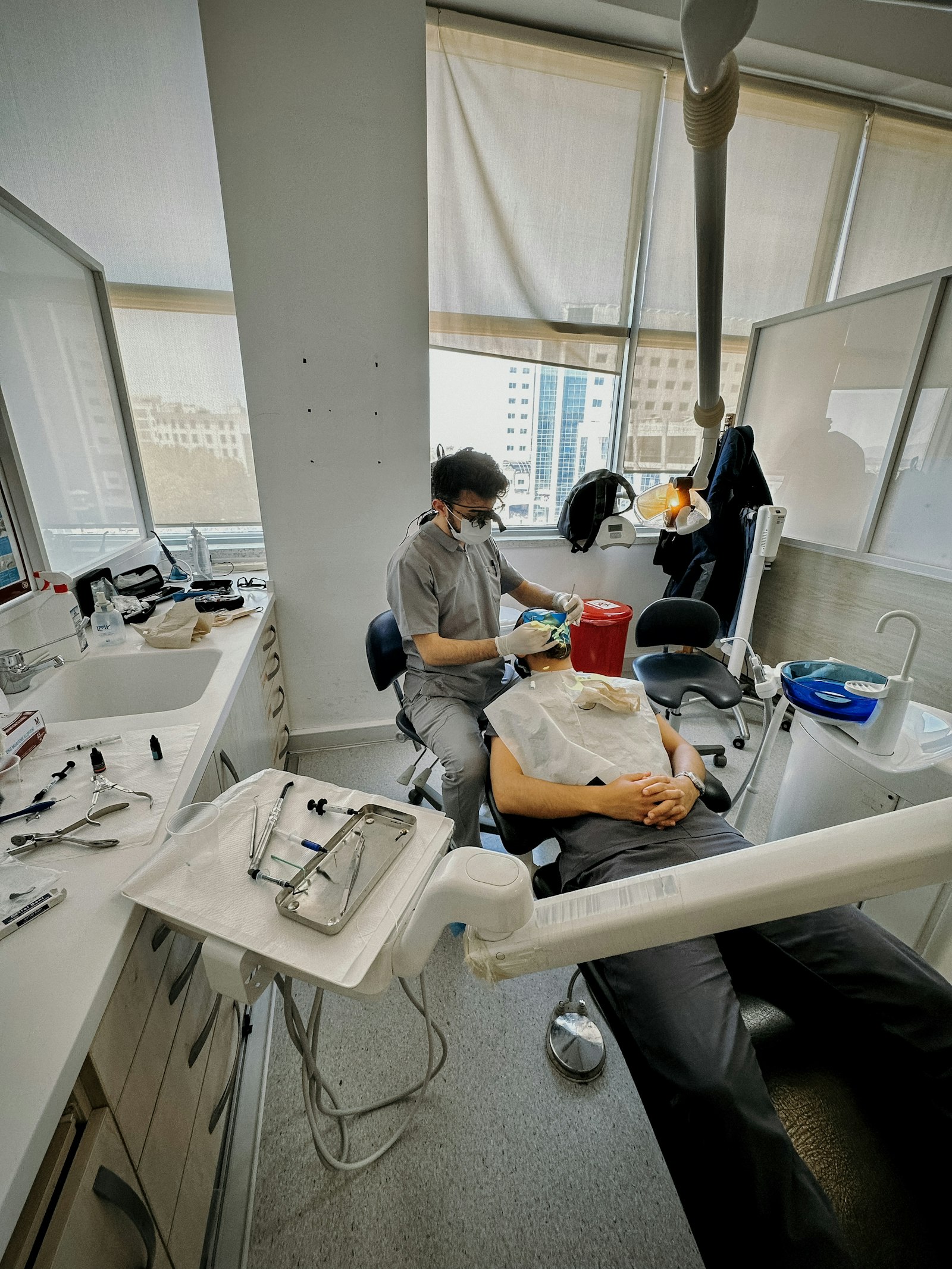
It is quick. The dentist looks systematically at the lips, cheeks, gums, tongue, floor of the mouth and palate, feels the cheeks for firm bands, feels the neck for lymph nodes, and measures how far you can open. Photographs are often taken so any change can be compared later. If something needs a definitive answer, the referral is for a biopsy.
Anyone can ask for this, with or without a symptom. If you chew now, or chewed for years and stopped, say so, because it changes how carefully certain areas get examined. Related risks worth reading about include smoking and oral health and HPV and oral cancer.
Common questions
Is betel nut safe if I do not add tobacco?
No. Areca nut without any tobacco is classified as a Group 1 carcinogen in its own right, and it is the component most strongly linked with oral submucous fibrosis. Leaving the tobacco out lowers one exposure, but it does not make the habit safe.
Will the staining come off?
Some of it usually will. A professional clean removes surface deposits, but pigment that has worked into cracks in the enamel, into root surfaces or into the edges of old fillings can be permanent. It is best assessed in person.
Can oral submucous fibrosis be reversed?
The fibrosis itself is not reversible. Management focuses on stopping the habit, regular review, and in some cases exercises or referral to help preserve mouth opening. Stopping has the most influence on how quickly it progresses.
How often should I be checked if I chew, or used to chew?
More often than someone with no risk factors, with the interval set individually. Many people in this group are reviewed every six months. Past chewers still need checking, because risk does not reset to zero the day you stop.
My mouth feels normal. Do I still need to be looked at?
Yes. Early changes are often painless and sit where you cannot see them, particularly along the sides of the tongue and in the floor of the mouth.
Getting checked in Melrose Park
If you chew now, or you did for years, book a check up and clean and ask specifically for a soft tissue examination. It adds a couple of minutes and it is the part of the appointment that matters most for you. The team at Lumi Dental will go through what is found in plain language, with no lecture attached. You can see what is currently available on our offers and pricing page, or read more about general dentistry in Melrose Park.
This article is general information only and is not a substitute for personal dental or medical advice. Please see a dentist or doctor about your own situation.