

A bitter taste in your mouth that comes and goes with meals, mornings or lying down is most often caused by reflux, a medicine or a dry mouth, while a bitter or foul taste from one spot usually points to a tooth or gum problem that needs a dentist. Taste changes are common: an analysis of a large US national health survey reports that around 1 in 20 adults describe a distorted or unpleasant taste, which doctors call dysgeusia. The timing and location of the taste are the best clues to the cause.
Written by Dr James Tran, BDent (University of Sydney), MICOI, GradDip (Oral Implants), general dentist at Lumi Dental in Melrose Park.
The short version
- A bitter taste after meals, on waking or when lying down often comes from reflux.
- Some medicines leave a bitter taste, the sleeping tablet zopiclone being a well known example. Never stop a prescribed medicine on your own; ask your GP or pharmacist.
- A dry mouth lets bitter flavours linger.
- A bitter or rotten taste from one spot suggests decay, gum disease or an abscess. Our guide to a bad taste coming from one tooth covers those patterns.
- See a GP if the taste lasts more than a few weeks or comes with weight loss, trouble swallowing or vomiting.
How taste works, and why bitter stands out
Taste starts when substances dissolved in saliva reach taste buds on the tongue and soft palate. A review of taste disorders describes five basic tastes (sweet, bitter, salty, sour and umami) and notes that we accept bitter flavours only in small amounts, which may be why even a faint bitter taste is hard to ignore.
Saliva dissolves flavours, then washes them away. When it is sparse, or carrying refluxed acid, a medicine or bacteria from an infection, the taste hangs around. This article sits alongside our guides to a metallic taste in the mouth and a salty taste, which share some causes.
The single rule: notice when it happens and where it comes from
If the bitter taste comes and goes with meals, mornings or lying down, start with reflux, your medicines and your hydration, and talk to your GP or pharmacist. If it comes from one spot, or you can see or feel something there, start with a dentist. In my experience, patients who can say when they notice it and where it is strongest get to the cause much faster.
| Possible cause | Typical clues | What often helps | Who to see |
|---|---|---|---|
| Reflux (GORD) | Worse after meals, lying down or bending; heartburn | Smaller evening meals, pharmacy advice | Pharmacist, then GP |
| A medicine | Started after a new tablet; often worse in the morning | Sips of water; review with the prescriber | GP or pharmacist |
| Dry mouth | Sticky mouth, waking thirsty, mouth breathing | Regular water, sugar-free gum | Dentist or GP |
| Gum disease | Bleeding gums, coated tongue, bad breath | Cleaning between teeth, gum therapy | Dentist or OHT |
| Abscess, decay or a broken filling | Taste from one spot, toothache, swelling | Treating the source | Dentist, promptly |
| Oral thrush | White patches on the tongue or cheeks, soreness | Antifungal treatment as advised | GP, pharmacist or dentist |
Reflux: the bitter taste that comes with meals or lying down
healthdirect describes heartburn as often happening or getting worse after a meal, when lying down or when bending over, and notes that fluid can rise into the throat or mouth with a sour or bitter taste, called regurgitation. Bitter on waking or after a big dinner is one of the most recognisable patterns.
Smaller meals, a gap between dinner and bed and raising the head of the bed often help, and a pharmacist can suggest over-the-counter options. healthdirect advises seeing your doctor if those medicines do not help or you rely on them often, and if you have weight loss, tiredness, difficulty or pain with swallowing, or vomiting. Stomach acid can also soften enamel; our article on acid reflux and your teeth explains how to protect it.
Medicines that can leave a bitter taste
A review of taste disorders lists some antifungals, antibiotics, anti-inflammatories, immunosuppressants, neurological and psychiatric medicines among those reported to affect taste, often through changes in saliva.
The sleeping tablet zopiclone is a clear example. The NHS lists a bitter or metallic taste among its common side effects, alongside dry mouth, and a review of its clinical use reported a bitter taste in fewer than 10% of people taking it. Patients I see on it often say the taste is worst in the morning.
If you suspect a medicine, note when the taste started and what you began taking around then, and take that to your GP or pharmacist. Keep taking the medicine unless the prescriber advises otherwise.
Dental causes: when the taste comes from one spot
When the taste is strongest around one tooth or one side, a dental cause is likely.
- Gum disease: plaque, bleeding gums and a coated tongue can leave a persistent bad taste. Gum therapy and better cleaning between the teeth usually improve it.
- A tooth abscess: healthdirect lists a bad taste among abscess symptoms, with pain, swelling and fever, and states that an abscess will not get better on its own. See our article on tooth abscess signs and treatment.
- Decay, a failing filling or a crown with a gap: bacteria and food collect, and the taste builds through the day.
- Trapped food: the taste clears briefly when you floss that spot, then returns after the next meal.
- A dry socket: a foul taste and worsening pain a few days after an extraction is a reason to call your dentist.
- Dentures: a denture not cleaned daily can hold plaque and yeast, and the review lists oral appliances among possible causes.

Dry mouth, smoking, pregnancy and other everyday causes
A dry mouth
With less saliva, the mouth can taste stale or bitter, particularly on waking, and mouth breathing from a blocked nose makes it worse. Our guide to dry mouth causes and treatment covers practical relief.
Smoking
The review reports that smoking may alter taste buds and dull taste, and smoking also raises the risk of gum disease.
Pregnancy and hormone changes
A change in taste is well known as an early sign of pregnancy. A small study that tested taste through pregnancy found it dipped most in the first trimester, and its authors linked this to hormone changes. Cleveland Clinic notes that menopause can also change taste.
Colds and viral infections
Because smell shapes flavour, a blocked nose or a viral infection, including influenza and COVID, can make food taste odd for a while.
Pine nut mouth
The review describes pine nut syndrome as an uncommon bitter, metallic taste that begins around 12 to 48 hours after eating pine nuts, is made worse by other foods and lasts up to about four weeks. It settles on its own.
What you can do at home
- Drink water through the day and keep some by the bed.
- Chew sugar-free gum after meals to increase saliva.
- Brush twice a day, clean between your teeth daily and gently clean your tongue.
- Take dentures out at night and clean them daily.
- Keep a short diary: when the taste appears, what you ate, new medicines and reflux symptoms.
When to see a GP, and when to see a dentist
See a dentist if the taste comes from one spot, or you have toothache, swollen or bleeding gums, a broken filling or a recent extraction. Facial swelling or fever needs prompt care through our emergency dental appointments, and any difficulty breathing or swallowing means calling 000.
See a GP if the taste has lasted more than a few weeks without a clear cause, or comes with weight loss, tiredness, trouble swallowing, ongoing heartburn, loss of smell or new numbness. Often the best path is both: a dental check to rule out a local cause and a GP visit for the rest.
How we approach this at Lumi Dental
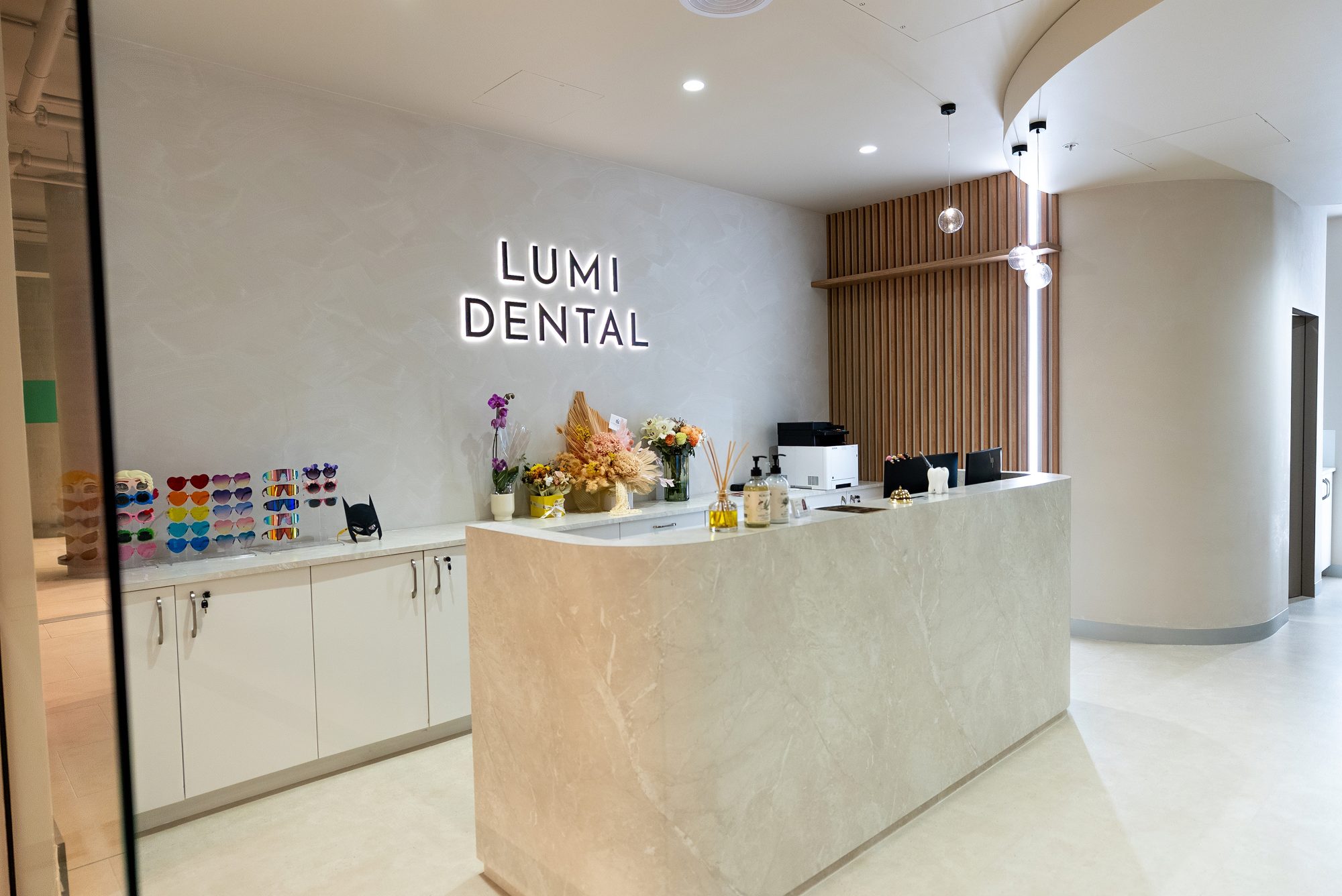
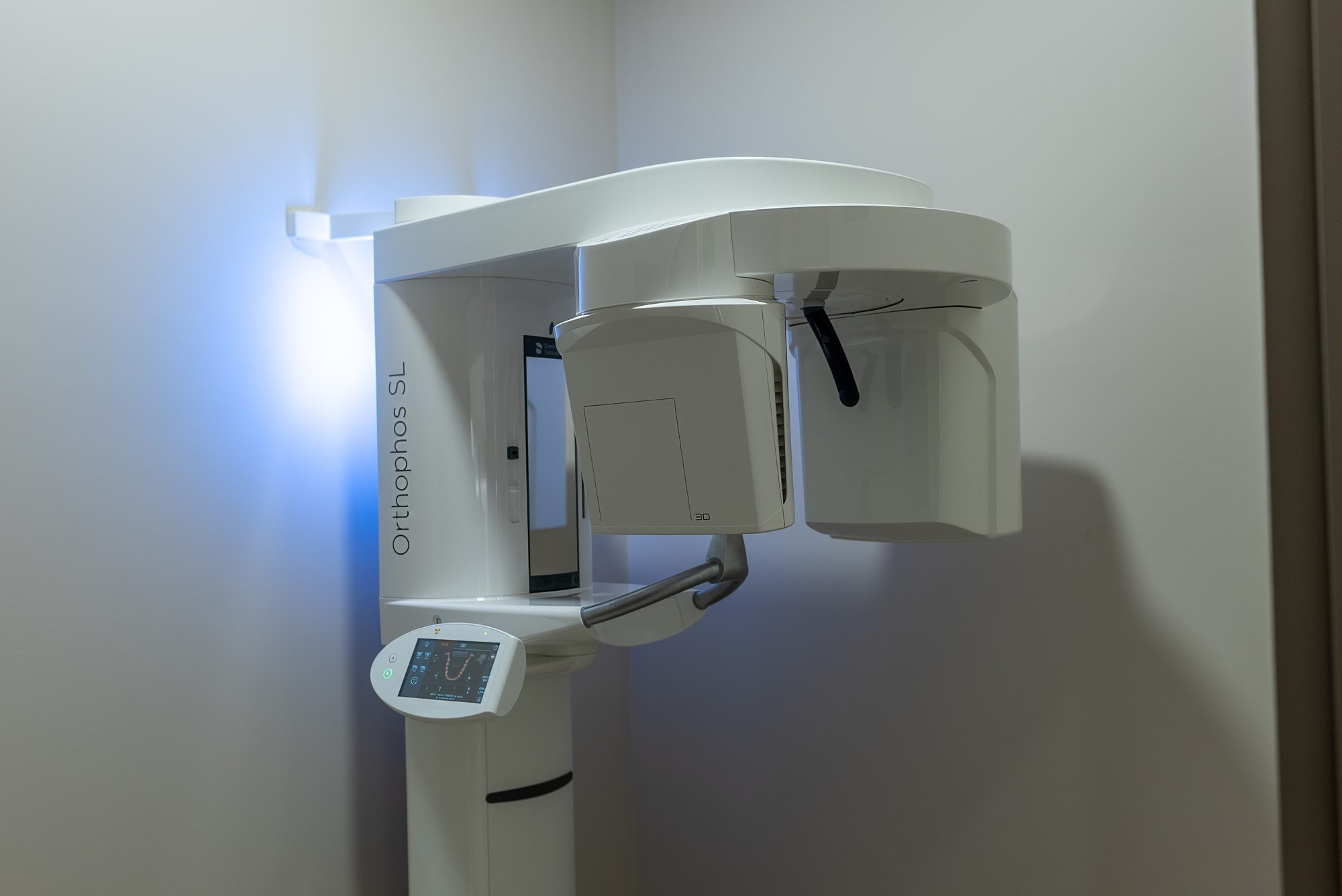
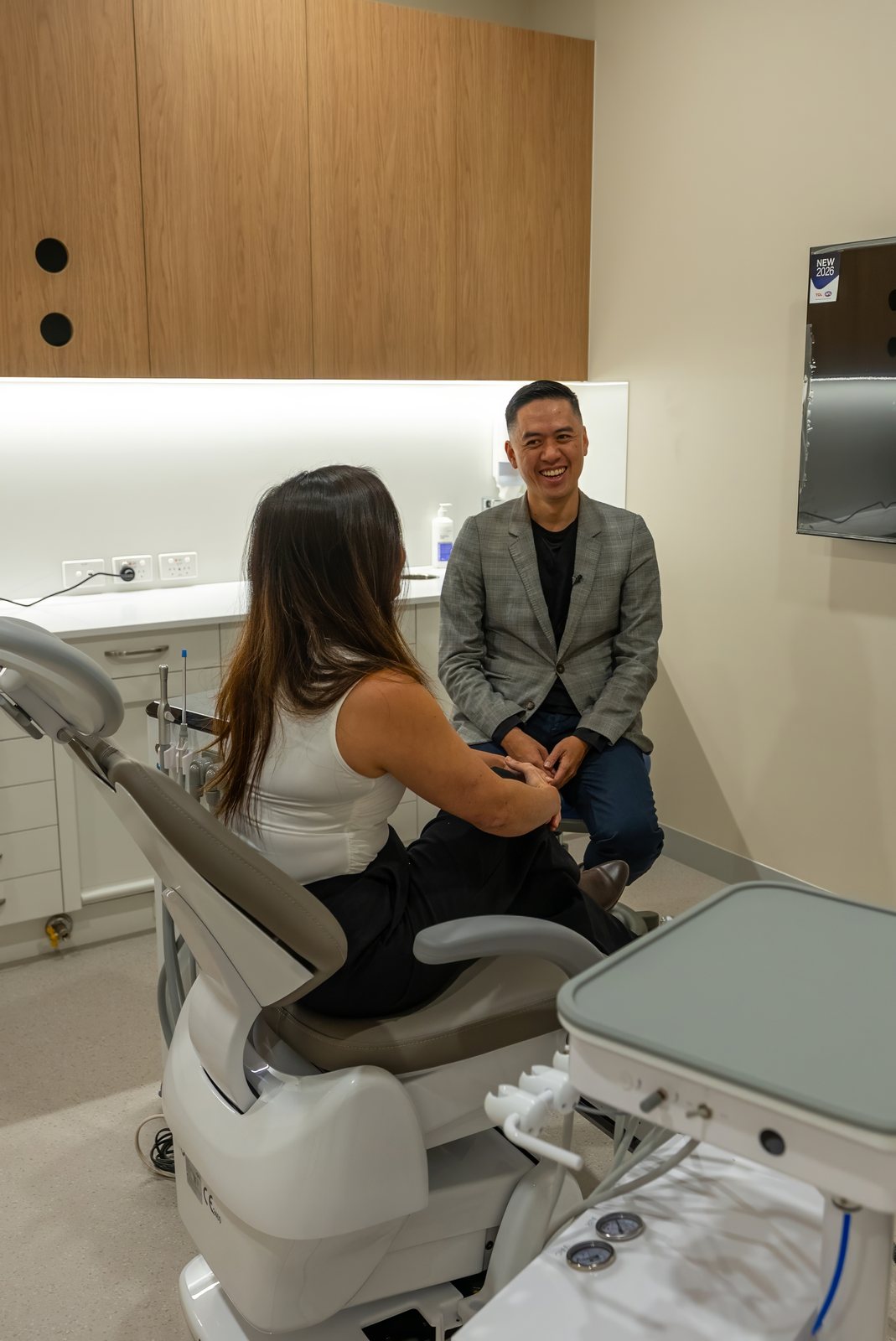
At Lumi Dental in Melrose Park, a dentist asks when the taste appears, where it is strongest and what medicines you take, then examines the teeth, gums, tongue and any dentures. X-rays, including 3D imaging when needed, can show decay under fillings or infection at a root tip. If gum health is the issue, the oral health therapists provide gum therapy and home care advice. If nothing in the mouth explains the taste, the dentist will say so and suggest you see your GP. Read more about general dental check-ups at Lumi Dental.
Questions patients ask
Why does my mouth taste bitter when I wake up?
Overnight reflux, a dry mouth from mouth breathing and evening medicines are the usual reasons. If it clears after breakfast and brushing, start with reflux habits and hydration; if it persists, see your GP.
Can a tooth infection cause a bitter taste?
Yes. An abscess or deep decay can leave a bitter, foul or salty taste, often from one spot, sometimes with pain or swelling. An abscess needs dental treatment.
Is a bitter taste in the mouth a sign of something serious?
Usually not. Cleveland Clinic notes that conditions such as diabetes, thyroid, liver or kidney disease can affect taste, so a taste that persists with weight loss or feeling unwell needs a GP visit. Our article on a salty taste in the mouth covers similar warning signs.
How long does a bitter taste from a medicine last?
It varies. Some taste changes ease as your body adjusts and others last while you take the medicine. Your GP or pharmacist can advise on alternatives.
Should I see a dentist or a doctor for a bitter taste?
If it comes from one spot or you have dental symptoms, see a dentist first. If it is everywhere and linked to meals, medicines or other symptoms, see your GP. In my experience, a quick dental check settles the question for many people.
Book a check-up at Lumi Dental, Melrose Park
If a bitter taste is not going away, a dental check is a sensible first step to rule out gum disease, decay or infection. Book a general check-up at Lumi Dental, see current offers, and ask for a written quote if treatment is recommended. Patients visit from Melrose Park, Ryde, Parramatta, Ermington and Rydalmere, with on-site parking at Melrose Central.
Sources
- healthdirect: Heartburn
- healthdirect: Tooth abscess
- NHS: Zopiclone, a medicine used to treat insomnia
- PMC (Nutrients): Alteration, Reduction and Taste Loss: Main Causes and Potential Implications on Dietary Habits
About the author

Dr James Tran is a general dentist at Lumi Dental in Melrose Park. He holds a BDent from the University of Sydney and a Graduate Diploma in Oral Implants, and is a Member of the International Congress of Oral Implantologists (MICOI).
This article is general information only and is not a substitute for an examination and individual advice from a registered dental practitioner. Suitability for any treatment varies from person to person.








