

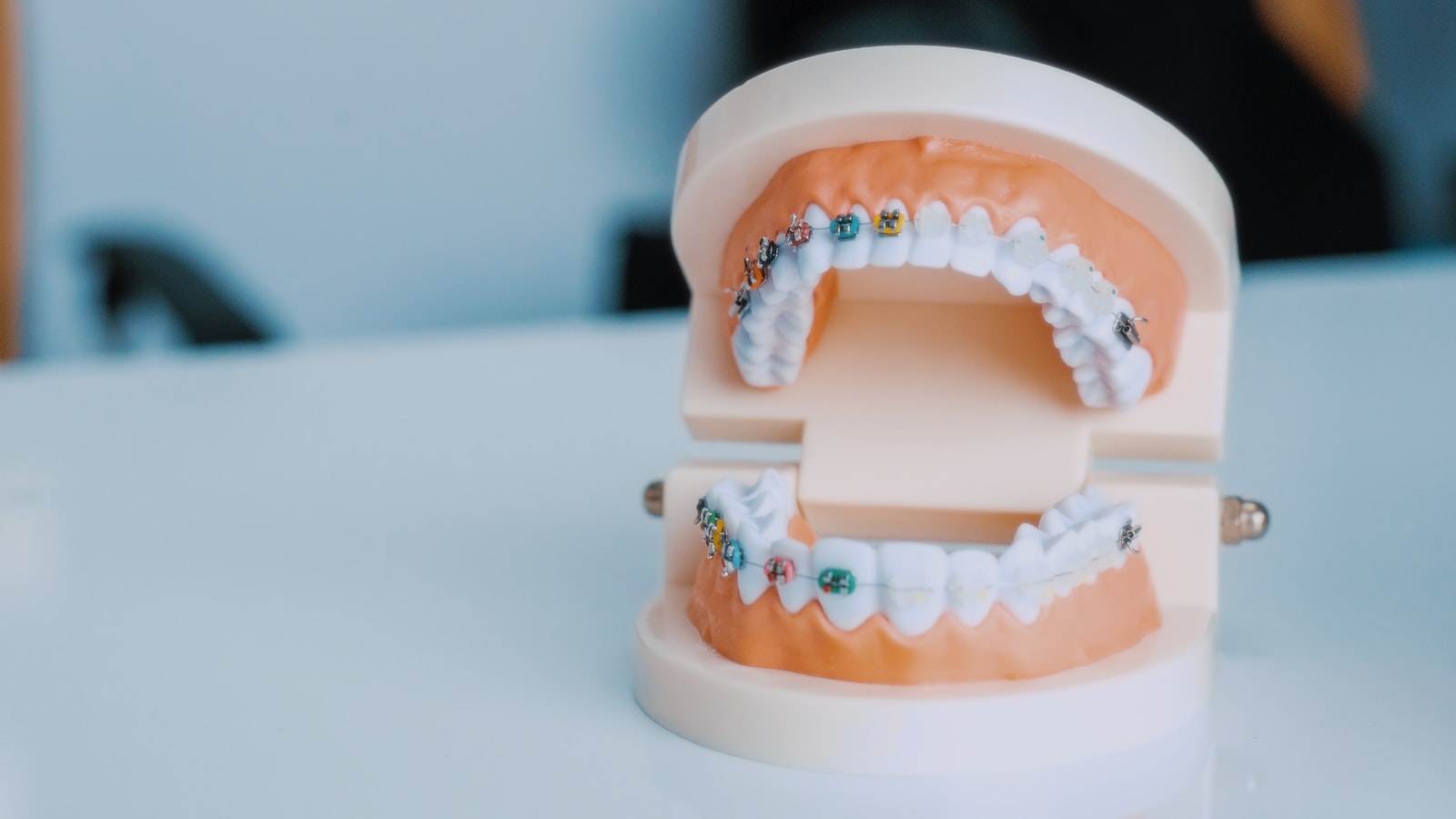

The simplest way to choose between bonding, a veneer and a crown is to ask how much of the tooth needs covering. Bonding repairs a small area with tooth-coloured resin and removes almost no tooth. A veneer resurfaces the whole front of a tooth. A crown wraps over the entire tooth. Each is the right answer for a different problem, and matching the treatment to the damage is what keeps your tooth healthy for the long run. This guide explains where each one fits.
Key takeaways
- Bonding removes the least tooth and suits small chips, gaps and edge repairs.
- Veneers resurface the visible front of a tooth for shape, colour and alignment changes.
- Crowns cover the whole tooth and are used when a tooth is heavily broken down or root treated.
- Durability generally rises from bonding to veneers to crowns, and so does the amount of tooth removed.
- The best choice depends on how much healthy tooth is left, not just on appearance.
The single rule that decides most cases
Think of the three options as a ladder of coverage. The more tooth structure that is missing or weakened, the further up the ladder you go. A tiny chip on a front tooth does not need a crown, and a cracked, root-treated molar cannot be fixed with bonding alone. Good cosmetic dentistry uses the least invasive option that will actually last.

Composite bonding
Bonding uses tooth-coloured composite resin, shaped and hardened directly on the tooth in a single visit. It removes little or no enamel, which means it is usually reversible, and it can be repaired if it chips. Bonding is well suited to small chips, closing minor gaps, smoothing an uneven edge or masking a small stain. The trade-off is that composite is not as strong or as stain resistant as porcelain, so it tends to need touch-ups sooner. Our guide on bonding versus a filling explains how the same material is used in two different ways.
Veneers
A veneer is a thin shell, usually porcelain or composite, that covers the front surface of a tooth. Porcelain veneers need a small amount of enamel removed so the shell sits flush, and they are made in a lab, so they take two visits. They can change the colour, shape and apparent alignment of front teeth and resist staining well. Composite veneers are built up directly and cost less but do not last as long. If you are weighing materials and price, see our overview of what composite veneers cost and how they compare in our bonding versus veneers article.
Crowns
A crown covers the entire tooth like a cap. It removes the most tooth structure of the three, but it also provides the most protection, which is why crowns are used for teeth that are cracked, heavily filled, worn down or root treated. Crowns can be made from porcelain, or from stronger materials for back teeth that take heavy load. Our comparison of ceramic versus zirconia crowns covers the material choice, and if you are choosing between a crown and a veneer for a front tooth, our crowns versus veneers guide goes deeper.
Side by side comparison
| Feature | Bonding | Veneer | Crown |
|---|---|---|---|
| Tooth removed | Minimal | Small (porcelain) | Most |
| Coverage | Small area | Front surface | Whole tooth |
| Visits | Usually 1 | 1 to 2 | 1 to 2 |
| Typical lifespan | Shorter | Medium to long | Long |
| Best for | Small chips, gaps | Shape and colour of front teeth | Heavily damaged or root-treated teeth |
| Repairable | Yes | Sometimes | Usually replaced |
How to think about your own tooth
If the tooth is mostly healthy and the issue is small, bonding is often enough. If you want to change the look of several front teeth, veneers may suit better. If the tooth is structurally weak or has had a root canal, a crown is usually the safe choice. A dentist will check how much healthy tooth remains, your bite and your goals before recommending one.
Frequently asked questions
Which lasts the longest?
Crowns and porcelain veneers generally last longer than composite bonding, though good care and avoiding habits like nail biting make a big difference for all three.
Is bonding cheaper than veneers?
Bonding is usually the lowest cost option because it is done in one visit with no lab work. Veneers and crowns cost more but often last longer.
Can I have veneers if my tooth is broken?
A veneer covers only the front surface, so a badly broken or weak tooth usually needs a crown for proper support. Your dentist will assess how much tooth is left.
Do any of these damage the tooth?
Bonding removes almost no tooth. Veneers and crowns remove some enamel, which cannot grow back, so they are a considered choice rather than a casual one.
How do I decide?
Book a cosmetic assessment. The right option depends on the tooth, your bite and what you want to achieve, not on appearance alone.
The bottom line
Bonding, veneers and crowns solve different problems along a ladder of coverage. The best choice protects your tooth while giving the look you want, and that call is easiest to make in person. To explore your options, book a complimentary cosmetic consultation with our team.
This article is general information and not a substitute for personal dental advice. Please see a dentist for care tailored to your situation.

