

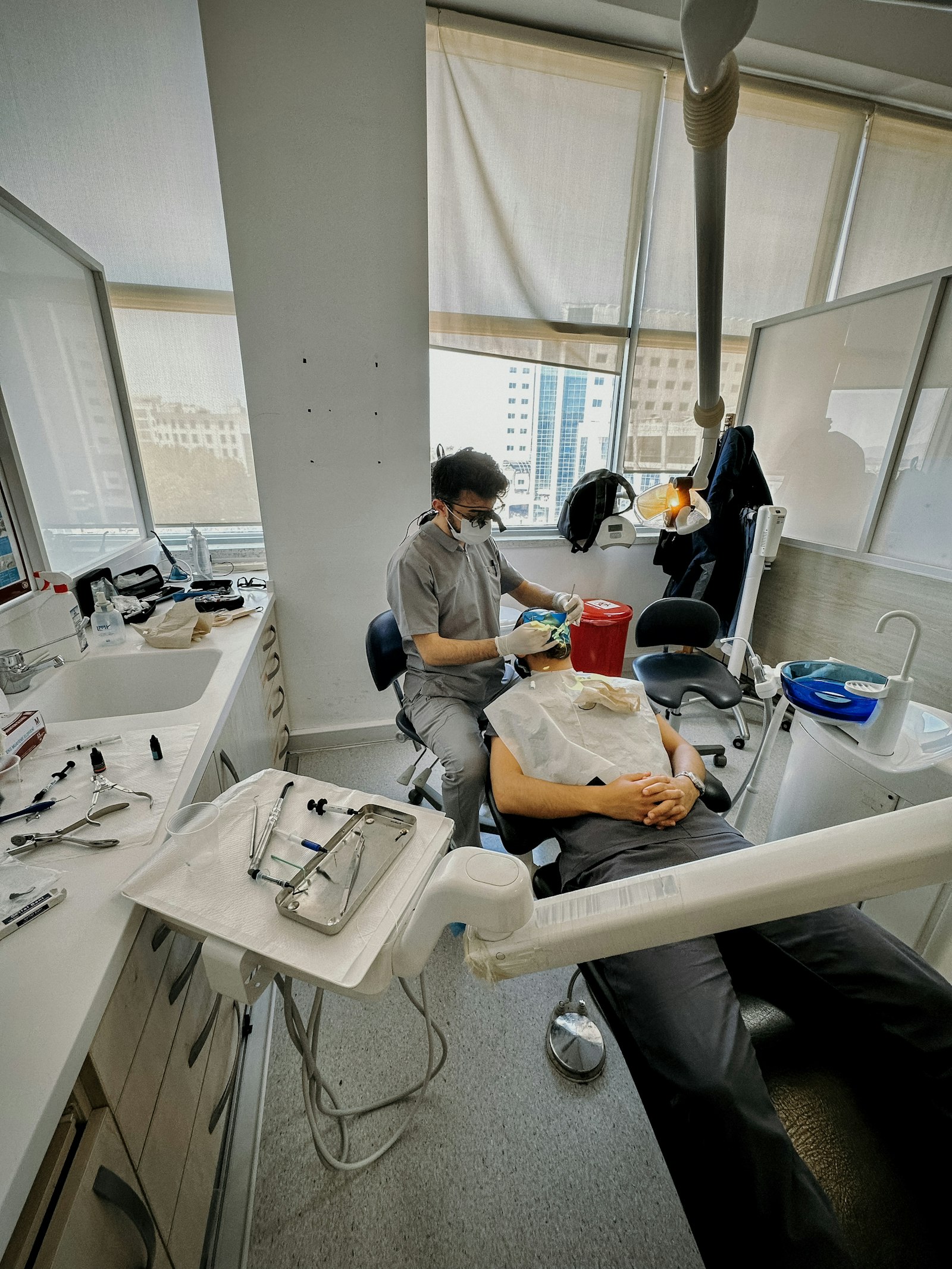

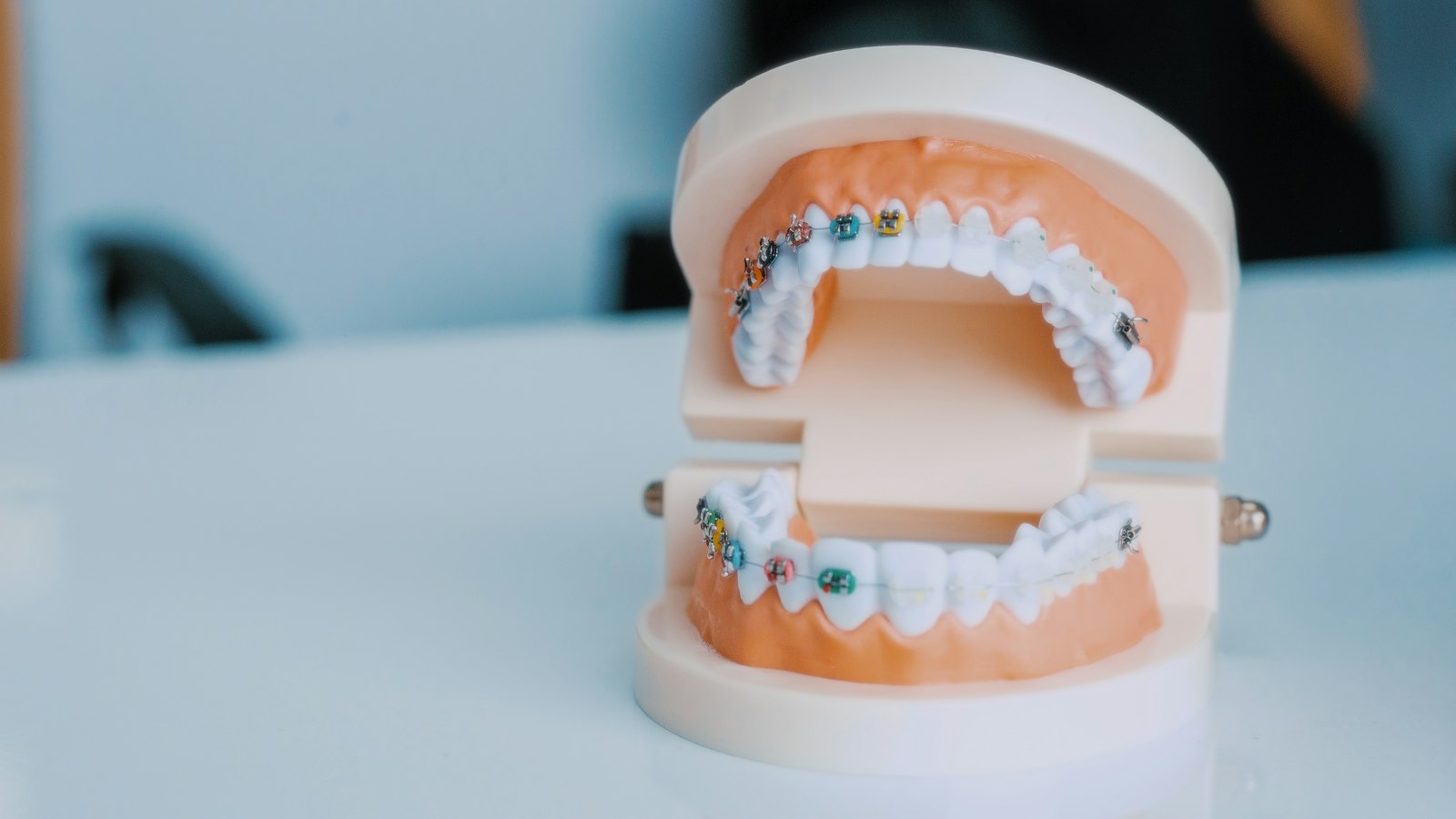
A poking wire or a loose bracket is one of the most common orthodontic problems patients call about, and knowing what genuinely needs same-day attention versus what can wait for your next scheduled adjustment can save you a lot of unnecessary worry. As a general rule, anything causing real pain by cutting into the cheek or gum, or a bracket that has come off completely and poses a choking risk, needs a call now. A wire that has slipped slightly without pain, or a loose but still-attached bracket that isn't irritating anything, can usually wait.
Key Takeaways
- A wire poking and cutting the cheek or gum painfully, or a bracket that has come off entirely, generally needs a same-day call.
- A slightly slipped wire without pain, or a loose but still-attached bracket, can usually wait for a routine adjustment.
- Orthodontic wax, or a small ball of sugar-free gum if wax isn't available, can temporarily cover a sharp wire end.
- Warm salt water rinses can soothe irritated soft tissue while you wait to be seen.
- Never attempt to cut a wire yourself with household scissors or pliers.
Call Now vs Wait for Your Next Adjustment
Orthodontic appliances are designed to withstand daily wear, but wires and brackets can still shift, especially after eating something hard or sticky, or from ordinary daily friction. Not every issue is an emergency, and it helps to know the difference before you decide whether to call your dentist urgently or simply mention it at your next scheduled visit.
Signs You Need Same-Day Attention
- A wire end is poking into the inside of the cheek, lip, or gum and actively causing pain or a cut.
- A bracket has come off completely and is loose in your mouth, creating a risk of it being swallowed or inhaled.
- You are in significant pain that isn't relieved by the temporary measures below.
- There is noticeable swelling, bleeding that doesn't settle, or signs of infection around an appliance.
Signs That Can Usually Wait
- A wire has slipped slightly out of position but isn't causing any pain or cutting soft tissue.
- A bracket feels loose but is still attached to the wire and isn't irritating your cheek or gum.
- Mild, dull discomfort that is more like pressure than sharp pain, similar to what you might feel after a routine adjustment.
Temporary Self-Care Steps at Home
If you cannot be seen immediately, there are safe, temporary steps that can make things more comfortable until your appointment.
- Gently push a poking wire away from soft tissue using the eraser end of a pencil or a clean cotton bud. Move slowly and stop if it doesn't shift easily.
- Cover a sharp wire end with orthodontic wax, rolling a small piece into a ball and pressing it over the area causing irritation. If you don't have wax on hand, a small ball of sugar-free gum can work as a temporary substitute.
- Rinse with warm salt water if the area feels irritated or sore, this can help soothe the soft tissue while you wait to be seen.
- Avoid hard, sticky, or crunchy foods until you've had the appliance checked, since these can worsen the problem or dislodge things further.
- Never cut a wire yourself with household scissors, nail clippers, or pliers. This can cause a small piece to break off and be swallowed or inhaled, and it can also damage the appliance further.
What Not to Do
Aside from never cutting a wire yourself, avoid trying to forcibly remove a loose bracket or wire that is still attached, as this can cause more damage to the appliance and, in some cases, to the tooth itself. Also avoid ignoring persistent pain in the hope it will resolve on its own, since a wire that continues to irritate the same spot can lead to a mouth ulcer or more significant soft tissue injury the longer it's left unaddressed. It's also worth avoiding the temptation to bend a wire back into place yourself with your fingers, since it's easy to misjudge the angle and end up making the poking worse rather than better. A gentle, temporary fix with wax or a cotton bud is a safer approach until you can be seen properly.
Caring for Your Appliances Long-Term
Broken wires and loose brackets are usually one-off events rather than a sign of anything seriously wrong, but if they're happening repeatedly, it's worth mentioning the pattern to your dentist so they can look at whether an adjustment or a change in habits, such as avoiding certain foods, might help. If you're weighing up orthodontic options more broadly, this site has a comparison at Invisalign vs braces for adults, and if you're further along in treatment and thinking ahead to retention, retainer types and how long to wear them covers appliance care after braces come off.
Other Dental Emergencies Worth Knowing About
Orthodontic appliance problems are just one type of dental emergency, and it's worth knowing the difference between a poking wire and other issues that can come up unexpectedly. A cracked or chipped tooth from biting down on something hard, such as ice, is another common one, and this site covers what to do at chipped tooth from chewing ice. Pain and swelling around a partially erupted wisdom tooth is a different kind of issue again, covered at pericoronitis and wisdom tooth infection. Knowing roughly what you're dealing with can help you decide how urgently you need to be seen.
When to Call the Team at Lumi Dental
If you're dealing with a poking wire, a bracket that's come off, or any orthodontic discomfort that the temporary steps above haven't resolved, it's best to call rather than wait it out. The team at Lumi Dental can usually fit in a short appointment to address the immediate issue. General appointments and emergency care are available through our general dentistry service, and current offers can be found at our current deals page, with a free written quote available if any further treatment is needed.
Frequently Asked Questions
Can I use regular wax instead of orthodontic wax on a wire?
Orthodontic wax is specifically designed to stick to wet, moving surfaces inside the mouth and is the better choice when available. A small piece of sugar-free gum can work as a temporary substitute if you don't have wax on hand, but it isn't a long-term solution.
What happens if I swallow a small bracket?
A small bracket passing through the digestive system is generally not dangerous, but the concern is more about it becoming lodged or inhaled at the time it comes loose. If a bracket has come off, it's best to call your dentist rather than wait.
Is it normal for wires to come loose during orthodontic treatment?
Some movement and occasional wire or bracket issues are a fairly normal part of orthodontic treatment, particularly early on or after eating something harder than usual. It doesn't necessarily mean anything has gone wrong with your treatment plan.
Should I go to a hospital emergency department for a broken wire?
In most cases, a broken wire or loose bracket is best handled by your dentist rather than a hospital emergency department, unless there is significant bleeding, swelling, or a choking risk that needs immediate medical attention.

