



Stress does not rot teeth directly, but it can cause real dental problems through the behaviours and body changes it triggers. Clenching and grinding, dry mouth, mouth ulcers, and gum flare-ups are the common ways stress shows up in the mouth. The teeth themselves are rarely the first casualty. It is usually the muscles, gums, and saliva that change first, and the teeth suffer as a knock-on effect. This guide explains the main links between stress and your teeth, and the simple steps that help.
Key takeaways
- Stress is linked to teeth grinding and jaw clenching, which can wear, chip, or crack teeth and cause jaw pain and headaches.
- Stress and some medications reduce saliva, and a dry mouth raises the risk of decay and gum problems.
- Mouth ulcers and cold sores can flare during stressful periods.
- Stress can worsen gum inflammation, partly through the immune system and partly through slipping hygiene habits.
- Managing the underlying stress, plus a night guard where needed, protects your teeth.
Grinding and clenching
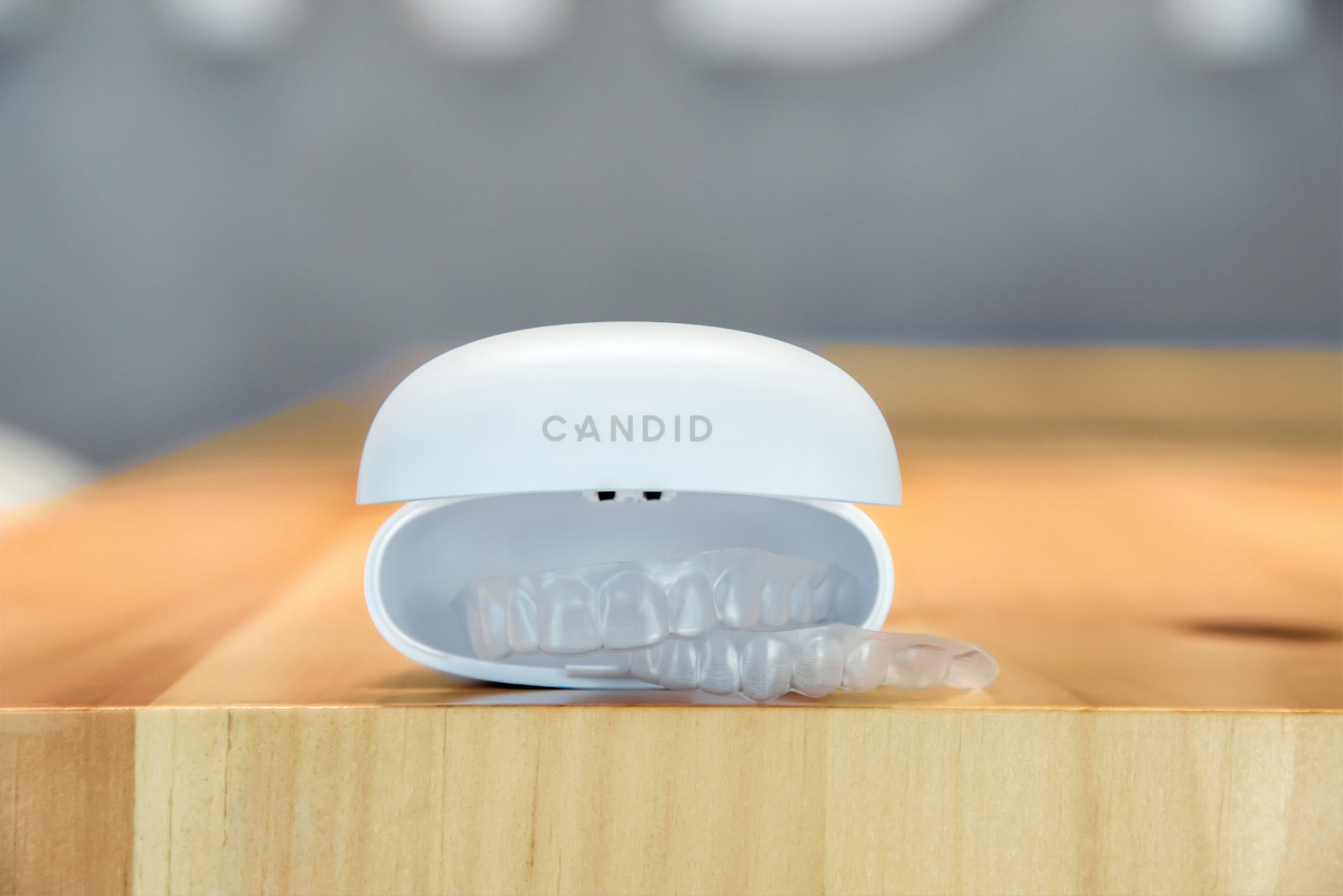
The clearest link between stress and the teeth is bruxism, the habit of grinding or clenching, often during sleep. Many people do it without realising until a partner hears it or a dentist spots the signs: flattened, worn tooth surfaces, tiny cracks, sensitivity, a sore jaw in the morning, or tension headaches. Over time heavy grinding can chip teeth, loosen fillings, and strain the jaw joint. Because it frequently happens at night, the fix is often a custom night guard that cushions the teeth, alongside tackling the stress itself. Our guide comparing a night guard and a retainer explains how a guard protects the teeth.
Dry mouth
Stress can reduce the flow of saliva, and so can many of the medications used for anxiety, low mood, and sleep. Saliva is not just water. It washes away food, neutralises acid, and carries minerals that protect enamel. When the mouth is dry, decay and gum problems become more likely, and the mouth can feel sticky or sore. Sipping water, avoiding frequent sugary or acidic drinks, and mentioning dry mouth to your dentist all help. If you tend to reach for sweet or acidic comfort foods when stressed, that adds to the decay risk, which is one reason some people get cavities despite brushing.
Ulcers, cold sores and gums
Mouth ulcers often appear during stressful stretches, and cold sores, which are caused by a virus, are commonly triggered by stress and fatigue. Neither is caused by poor teeth, but both can make eating and cleaning uncomfortable for a week or so. Stress is also associated with gum inflammation. Part of this is biological, through the body's stress response and immune changes, and part is behavioural, because brushing and flossing are the first things to slip when life is overwhelming. The result can be more bleeding, swelling, and tenderness of the gums. Our guides on swollen gums and gum recession cover this.
| How stress shows up | Effect on the mouth | What helps |
|---|---|---|
| Grinding and clenching | Worn, chipped teeth, jaw pain, headaches | Night guard, stress management |
| Reduced saliva | Higher decay and gum risk, dry feeling | Water, fewer sugary drinks, dental review |
| Mouth ulcers and cold sores | Sore spots for about a week | Gentle care, time, avoid triggers |
| Gum inflammation | Bleeding, swelling, tenderness | Keep up hygiene, professional cleaning |
What you can do
The most effective step is addressing the stress itself, through sleep, exercise, and support where needed, because that eases grinding, dry mouth, and gum flare-ups together. On top of that, keep up your brushing and flossing even when you are busy, stay hydrated, limit sugary and acidic snacking, and see your dentist if you notice worn teeth, jaw pain, or bleeding gums. A night guard is a simple, protective option if you grind. Catching these signs early keeps a stressful period from leaving a lasting mark on your teeth.
Frequently asked questions
Can stress really damage your teeth?
Not directly, but it drives habits and body changes, such as grinding and dry mouth, that can wear, crack, or decay teeth over time. The damage is indirect but real.
How do I know if I grind my teeth from stress?
Common signs include a sore jaw or headache in the morning, flattened or sensitive teeth, and a partner hearing grinding at night. A dentist can confirm it from the wear pattern.
Why do I get mouth ulcers when stressed?
Mouth ulcers commonly flare during stressful periods. They usually heal within a week or two. Gentle care and avoiding known triggers help while they settle.
Does stress cause gum disease?
Stress is associated with worse gum inflammation, both through the immune system and because oral hygiene often slips under pressure. Keeping up cleaning is protective.
Can a night guard help with stress grinding?
Yes. A custom night guard cushions the teeth and reduces the damage from night-time clenching and grinding, while you also work on the underlying stress.
If you think stress is affecting your teeth or jaw, a check-up can catch grinding and gum changes early and fit a night guard if needed. The team at Lumi Dental can help. See our current offers or book a general dental appointment.
This article is general information only and is not a substitute for personalised dental or medical advice. If you are struggling with stress, please also speak with your doctor or a qualified health professional.

