

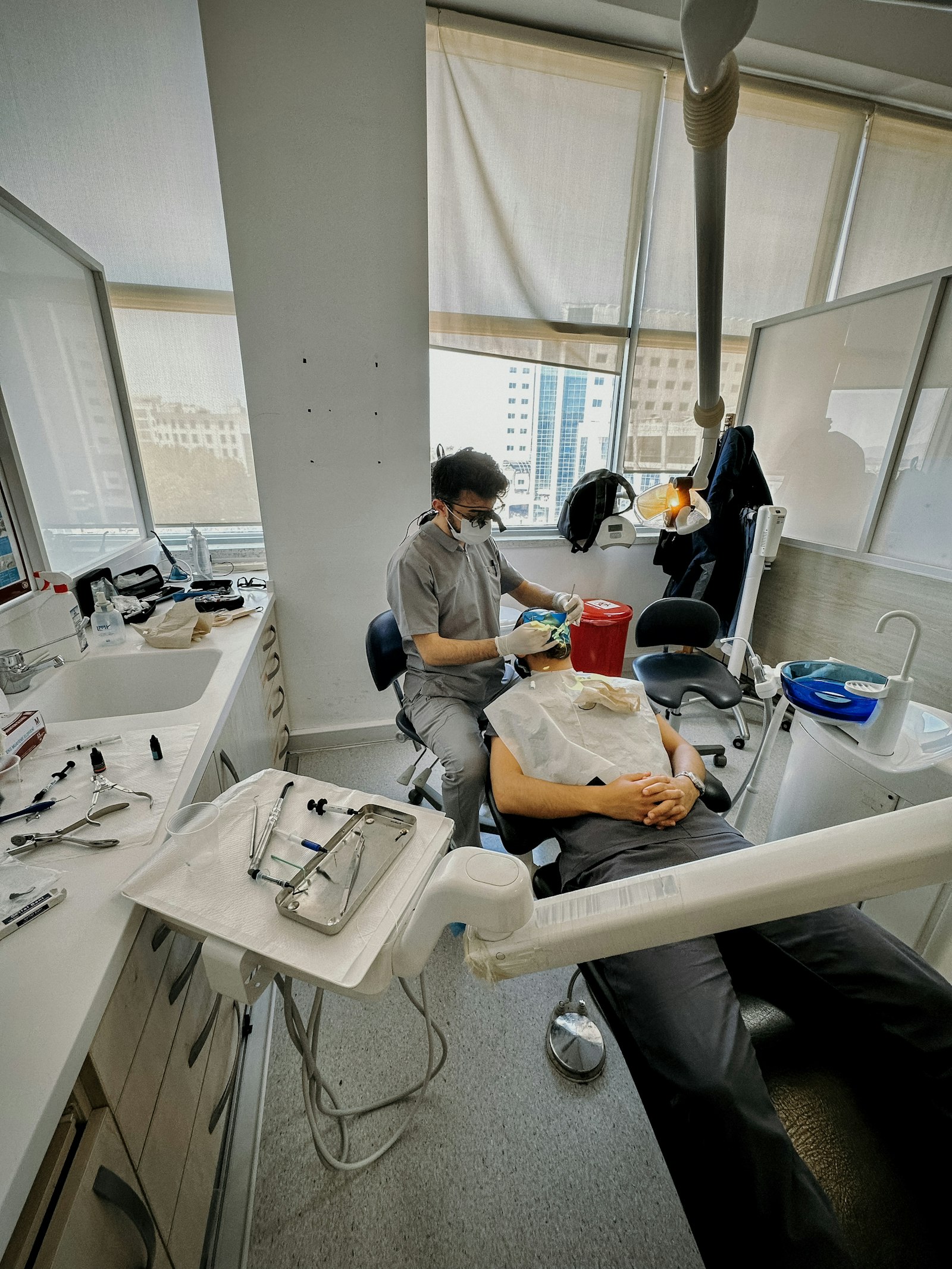

Wisdom teeth can cause headaches, and this happens more often than many people expect, usually through pressure, inflammation and jaw muscle tension rather than any direct nerve connection to the head. When a wisdom tooth is impacted or still erupting, the surrounding tissue can become inflamed, nearby muscles can tighten in response to discomfort, and some people unconsciously clench or grind their teeth more while the area is irritated. All of this can radiate as a dull ache around the jaw, temple or side of the head. This article explains the plausible mechanisms behind wisdom-tooth-related headaches, how to tell them apart from a migraine or a straightforward tension headache, and when the pattern is worth getting checked.
Key takeaways
- Impacted or erupting wisdom teeth can contribute to headaches through localised inflammation, pressure and referred jaw muscle tension.
- Discomfort from a wisdom tooth can trigger clenching or grinding, which is a common secondary cause of headache and jaw soreness.
- Wisdom-tooth-related headaches tend to sit around the jaw, temple or ear on the affected side, rather than presenting as the visual disturbances or nausea typical of migraine.
- A dental examination and X-ray can confirm whether a wisdom tooth is contributing to the pain pattern.
- Persistent, worsening or one-sided headaches alongside jaw pain, swelling or difficulty opening the mouth should be assessed promptly.
How a wisdom tooth could plausibly cause a headache
The wisdom teeth sit at the very back of the jaw, an area with a dense network of muscles, ligaments and nerve branches shared with other structures in the head and face. When a wisdom tooth is impacted, meaning it cannot fully erupt into a normal position, or is still pushing through the gum, the surrounding tissue can become swollen and tender. This localised inflammation does not stay perfectly contained. It can create a dull, aching pressure that spreads along the jaw and up toward the temple, since many of the muscles involved in chewing attach in that region.
There is also an indirect pathway worth understanding. Ongoing discomfort from an erupting or impacted wisdom tooth can lead a person to clench or grind their teeth more than usual, sometimes without realising it, particularly during sleep. This muscle overactivity is a well recognised cause of tension-type headaches on its own, so a wisdom tooth does not need to directly "cause" a headache through nerve pathways. It can trigger the muscular pattern that produces one. Our articles on the connection between teeth grinding, clenching and headaches and bruxism in adults go into more detail on this mechanism.
Telling a wisdom-tooth headache apart from a migraine or tension headache
A migraine typically presents with additional features beyond head pain, such as visual disturbances, nausea, sensitivity to light and sound, and pain that often intensifies with movement. A straightforward tension headache tends to feel like a band-like pressure across the whole head rather than being localised to one side or one jaw. A wisdom-tooth-related headache, by contrast, tends to sit on one side, close to the back molars, jaw angle, temple or ear, and often comes with other dental clues such as tenderness when biting, a swollen gum flap over the tooth, or an unpleasant taste from trapped food and bacteria around a partially erupted tooth.

A simple comparison
| Feature | Wisdom-tooth-related headache | Tension headache | Migraine |
|---|---|---|---|
| Location | Jaw, temple or ear, usually one side | Band-like, across whole head | Often one-sided, can shift sides |
| Associated symptoms | Gum tenderness, jaw ache, difficulty biting | Neck and shoulder tension | Nausea, light and sound sensitivity, visual aura in some cases |
| Trigger pattern | Worsens with chewing or jaw movement | Often stress or posture related | Can have specific triggers like certain foods or hormonal changes |
| What helps | Addressing the wisdom tooth issue | Rest, stress management, muscle relaxation | Migraine-specific management, usually medical |
What a dental assessment involves
If a wisdom tooth is suspected as a contributor to headaches, a dentist will usually examine the back of the mouth for signs of impaction, infection or partial eruption, and take an X-ray, such as an OPG, to see the position and angle of the tooth beneath the gum. This imaging can reveal whether the tooth is pressing against a neighbouring molar, trapped under bone, or simply taking longer than usual to erupt normally. From there, the dentist can discuss whether monitoring, a review appointment, or referral for possible removal is the appropriate next step. For background on what removal actually involves, our companion articles on the anaesthetic and sedation options for wisdom teeth removal and the typical recovery timeline are useful if that conversation comes up, and our piece on the watch-and-wait approach for wisdom teeth explains when monitoring rather than removal may be reasonable.

When to get it checked rather than waiting it out
A headache that consistently appears alongside jaw pain, difficulty fully opening the mouth, swelling in the cheek or jaw, an unpleasant taste, or pain that worsens over several days rather than settling is worth having assessed. According to healthdirect, persistent or worsening head pain combined with facial swelling or fever can also indicate an infection that needs prompt attention rather than home management. If headaches are a longstanding, unrelated pattern with no dental symptoms at all, a GP assessment for migraine or tension headache is more appropriate than assuming a wisdom tooth is responsible.
Frequently asked questions
Can a wisdom tooth cause a headache without any tooth pain?
Yes, some people notice jaw tension or a headache before they notice obvious tooth pain, particularly if the discomfort is being expressed through clenching or muscle tension rather than direct sensitivity.
Which side does a wisdom-tooth headache usually affect?
It typically affects the same side as the problematic tooth, presenting around the jaw, temple or ear on that side rather than across the whole head.
Will removing the wisdom tooth stop the headaches?
If the wisdom tooth is genuinely the cause, addressing it, whether through monitoring, treatment or removal as advised by your dentist, can lead to improvement, though headaches with multiple contributing causes may need a broader approach.
How can I tell if my headache is dental or medical in origin?
Dental clues include jaw ache, gum tenderness near the back teeth, discomfort when chewing, and pain that tracks with tooth position, whereas migraine and tension headaches usually lack these specific dental signs.
Should I see a dentist or a doctor first?
If you have any dental symptoms alongside the headache, such as jaw pain, gum swelling or tooth sensitivity, starting with a dentist makes sense. If there are no dental symptoms at all, a GP is a reasonable first point of contact.
Can wisdom tooth headaches come and go?
Yes, discomfort from an erupting or impacted wisdom tooth can flare and settle over time, which sometimes makes the connection to headaches less obvious until a clear pattern emerges.
If you have been getting jaw-area or temple headaches and you are not sure whether a wisdom tooth is involved, an examination and X-ray can usually clarify the picture quickly. The team at Lumi Dental can assess your wisdom teeth and talk through the options if one turns out to be the cause. Visit our current deals page or book an appointment with the general dentist team to get it checked.

