



No, whitening gel cannot change the colour of veneers or crowns. Porcelain, ceramic and composite are non-porous, so they do not absorb the bleaching agents that lighten natural teeth. If you are wondering whether you can whiten veneers and crowns, the short answer is that they keep the shade they were made in. This guide explains why that happens, what it means if your dental work no longer matches, and the options a dentist can offer.
Key takeaways
- Whitening gels lighten natural enamel but do not change veneers, crowns or fillings.
- These materials are non-porous, so bleach cannot penetrate them.
- If you whiten your natural teeth, existing dental work may look darker by comparison.
- Surface stains on veneers and crowns can often be polished off by your dentist.
- Matching the shade usually means whitening first, then replacing or re-choosing the restoration.
Why whitening does not work on veneers and crowns
Whitening works by letting a peroxide gel soak into the tiny pores of natural enamel and break down the stain molecules inside. Porcelain, ceramic and composite resin do not have those pores. They are sealed materials that were colour-matched in a lab or chairside at the time they were made. Because the gel cannot get inside, laser whitening, take-home trays and whitening toothpastes all leave the shade of a veneer or crown exactly as it was. The same is true of white composite fillings.
What this means if you already have dental work
This matters most when you plan to whiten. If you lighten your natural teeth, any veneers, crowns or fillings stay put at their original shade, which can suddenly make them stand out against the brighter teeth around them. For that reason, dentists usually suggest whitening your natural teeth first, then matching new dental work to the final, lighter shade. Our guide on in-chair whitening explains how professional whitening works.
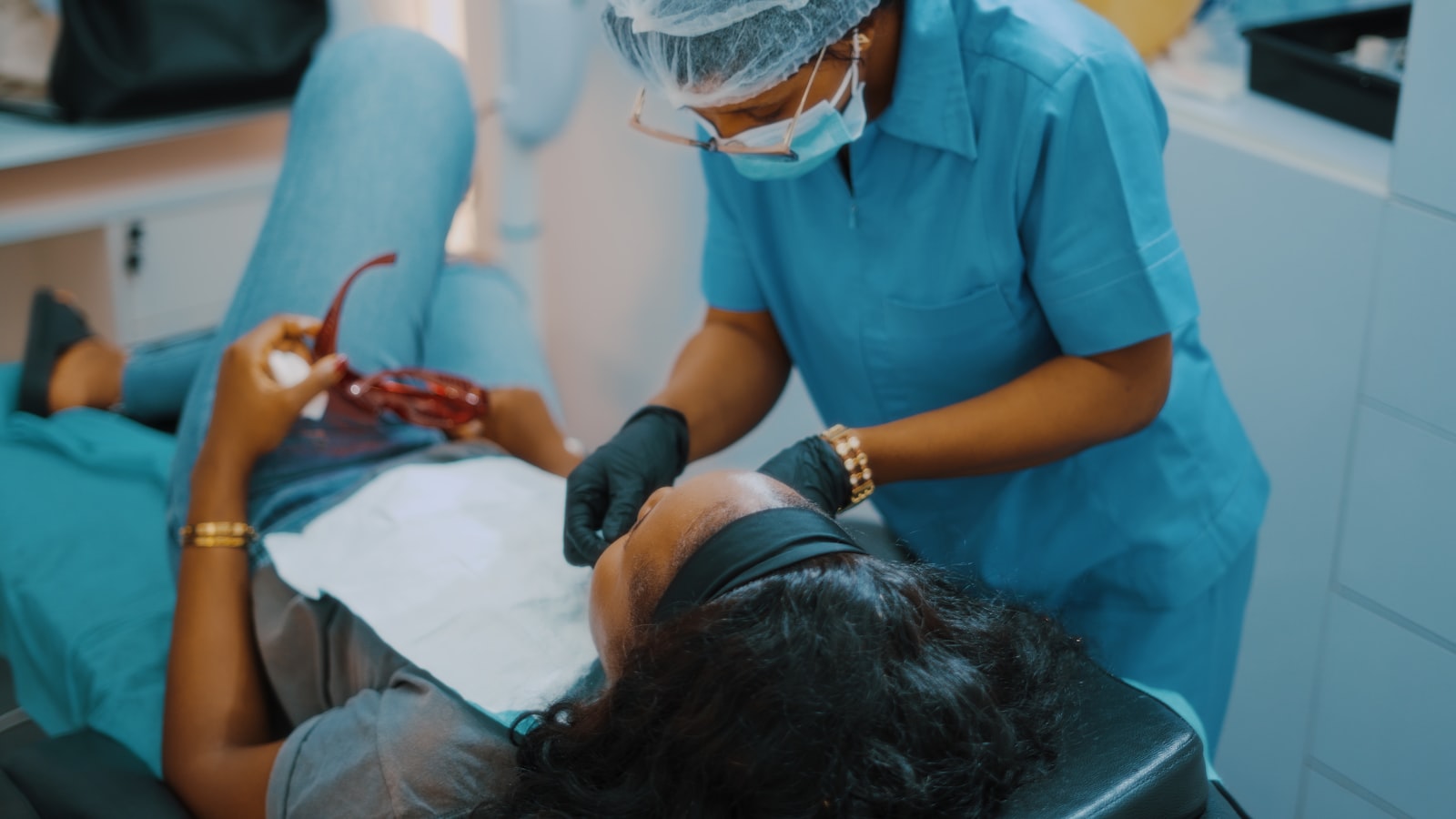
Restoration types and whitening
| Restoration | Responds to whitening? | Option if discoloured |
|---|---|---|
| Porcelain veneer | No | Polish surface stains, or replace to change shade |
| Ceramic or zirconia crown | No | Polish, or remake to a lighter shade |
| Composite veneer or filling | No | Polish, or replace if noticeably stained |
| Natural enamel | Yes | Whitening gel lifts stains |
What you can do about discoloured dental work
If your veneers or crowns look dull, the cause is often surface staining from coffee, tea, red wine or smoking rather than a change in the material itself. A dentist can frequently polish that surface film away and refresh the appearance. If the restoration is genuinely the wrong shade after whitening, the usual path is to replace it so it matches. Composite veneers can sometimes be refreshed more easily than porcelain, and our guide on composite veneers covers that material in more detail. To keep any restoration looking its best, our article on coffee, wine and tea staining has practical tips.
Planning the order of treatment
The takeaway for anyone considering both whitening and new veneers or crowns is simple: whiten first, restore second. Give your natural teeth a couple of weeks after whitening to settle to their stable shade, then have any dental work matched to that colour. Doing it in this order avoids a mismatch and means your smile looks even. Our guide on how long veneers last can help you plan for the longer term.
Frequently asked questions
Will whitening toothpaste lighten my crown?
No. Whitening toothpaste can remove surface stains from the crown but cannot change the underlying shade of the ceramic or porcelain.
My veneers look darker than my teeth. What can I do?
A dentist can often polish off surface staining. If the veneers are genuinely a darker shade, replacing them is the way to change the colour.
Should I whiten before or after getting veneers?
Whiten your natural teeth first, let the shade settle, then have veneers matched to the lighter colour so everything blends.
Do composite fillings whiten?
No. Composite does not respond to bleaching. A stained composite filling can be polished or replaced if it no longer matches.
Can charcoal or DIY whitening change dental work?
No, and abrasive products can scratch the surface of restorations. Professional advice is the safer route. Our guide on teeth whitening safety covers related concerns.
Want your smile to match?
If you are planning whitening or new veneers and want them to blend, the team at Lumi Dental can map out the right order for you at a complimentary cosmetic consultation. Learn more on our teeth whitening page or book a free cosmetic consult.
This article is general information only and is not a substitute for personal dental advice. Please see a dentist to discuss your own situation.

