

A dentist may recommend pulling a child's baby tooth early when decay is too advanced for a filling or pulpotomy to save it, when there has been trauma or an infection risking the permanent tooth developing underneath, or occasionally for orthodontic reasons, rather than simply waiting for the tooth to fall out naturally.
Key takeaways
- Advanced decay, dental trauma, infection risk to the permanent tooth bud, and orthodontic crowding are the main reasons for an early extraction
- Dentists generally try to save a baby tooth first with a filling or pulpotomy, since baby teeth help hold space for the adult teeth coming in behind them
- Extraction is usually considered when a tooth is not restorable, infection is advanced or keeps recurring, or it is already close to naturally falling out anyway
- The procedure itself uses local anaesthetic and is typically quick, with comfort-focused approaches used to keep young patients calm
- A space maintainer is often recommended afterward if the permanent tooth is not due to come through for a while
- This is a different situation to a loose tooth that is naturally close to falling out on its own
Why a baby tooth might need to come out early
Baby teeth are generally left to do their job of holding space and helping with chewing and speech until they are naturally ready to go, but there are a handful of situations where a dentist will recommend removing one ahead of schedule.
Advanced decay is one of the most common reasons. If a cavity has progressed too far for a filling or a pulpotomy, which is a procedure that treats the inflamed or infected pulp inside the tooth while leaving the root in place, to reasonably save the tooth, extraction may be the more predictable option. Dental trauma, such as a fall or knock that fractures the tooth badly, can have a similar outcome if there is not enough healthy structure left to restore. Infection is another key trigger, since an abscess in a baby tooth sits very close to the developing permanent tooth underneath, and removing the source of infection promptly helps protect that adult tooth. Less commonly, a dentist may recommend planned removal of certain baby teeth as part of a broader orthodontic strategy to help manage crowding, though this is a more specific, less frequent scenario.
Pulpotomy versus extraction: saving the tooth first
Where possible, dentists generally prefer to treat and keep a baby tooth rather than remove it, precisely because it is doing an important job holding space for the tooth coming in beneath it. A pulpotomy, which removes the inflamed portion of the pulp and seals the tooth, is a common way to manage a deep cavity or infection while preserving the tooth and its root. Extraction tends to be reserved for situations where the tooth is no longer realistically restorable, the infection is advanced or has come back after treatment, or the tooth was already close to naturally shedding regardless.
What the procedure actually involves for a child
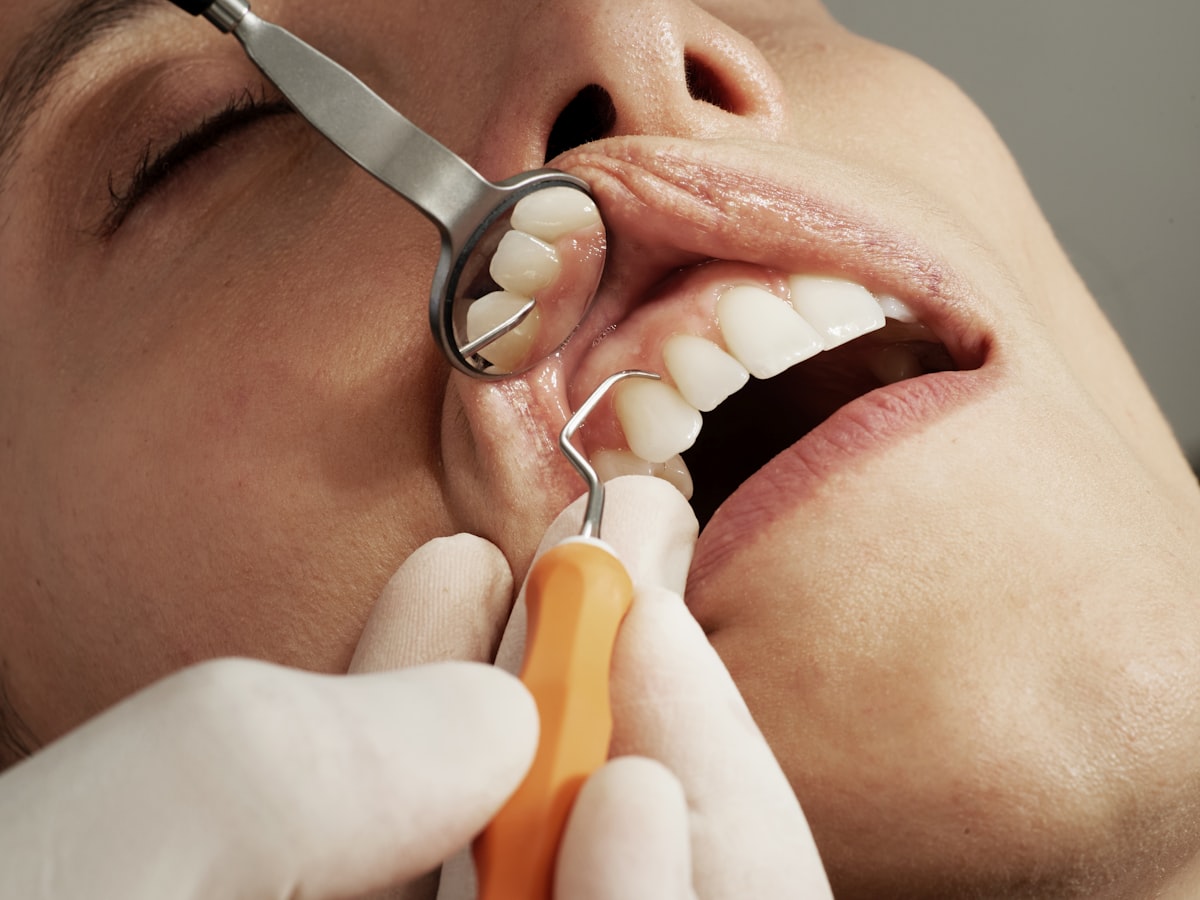
A baby tooth extraction is usually a straightforward, fairly quick procedure. The area is numbed with local anaesthetic first, and because the roots of baby teeth are naturally designed to resorb over time to make way for the permanent tooth, they often come out more easily than an adult tooth would. Dentists who work with children typically use comfort and behaviour-management techniques suited to younger patients, such as explaining each step in simple terms before doing it and using plenty of positive reinforcement, to help keep the experience calm and manageable.
Aftercare for kids
Aftercare is similar in principle to any tooth extraction, just scaled to a child's routine. Soft, cool foods for the rest of the day, avoiding vigorous rinsing or sucking through a straw, and keeping the area reasonably clean while it heals are the main points. Mild soreness for a day or two is normal and usually manageable with age-appropriate pain relief as advised by your dentist.
Why keeping the space matters afterward
When a baby tooth comes out well before the permanent tooth underneath is ready to come through, neighbouring teeth can gradually drift into the empty space. That drifting can block or redirect the path of the permanent tooth and contribute to crowding later on. This is why a space maintainer, a small device that holds the gap open, is often recommended after an early extraction. You can read more about how that works in this guide to space maintainers after early tooth loss and this overview of space maintainers for children.
How this is different from a loose tooth falling out naturally
It is worth being clear that this article is about teeth that need to be actively removed for a specific clinical reason, not the everyday process of a loose tooth wiggling its way out on its own. If your child has a loose tooth that just will not budge, this guide to a loose baby tooth that won't come out covers that more common scenario.
Reasons for early extraction at a glance
| Reason | What is happening | Typical next step |
|---|---|---|
| Advanced decay | Not enough healthy tooth structure remains for a filling or pulpotomy | Extraction, possible space maintainer |
| Trauma | Tooth is fractured or injured beyond repair | Extraction, space maintainer if early |
| Infection or abscess | Risk to the developing permanent tooth bud underneath | Extraction to protect the adult tooth, sometimes with antibiotics |
| Orthodontic planning | Managing crowding as part of a broader treatment plan | Planned removal as one part of a wider approach |
Common questions from parents
Will it hurt my child?
Local anaesthetic numbs the area first, and most kids find the procedure itself surprisingly comfortable. Mild soreness afterward is normal and manageable with age-appropriate pain relief.
Is it safe to remove a baby tooth early?
Yes, when it is clinically needed, though your dentist may recommend a space maintainer if the permanent tooth is not due for a while, as covered in this guide to space maintainers for children.
Can a baby tooth infection affect the adult tooth?
Yes, that is actually one of the main reasons dentists recommend prompt removal of an infected baby tooth, since it sits close to the permanent tooth developing beneath it.
Will my child need a filling or pulpotomy instead of an extraction?
Where enough healthy tooth structure remains and infection has not progressed too far, dentists generally try to save the tooth first.
How long does recovery take for a child?
Soreness typically settles within a few days with soft foods and simple, age-appropriate pain relief.
Does my child need a space maintainer afterward?
Often yes, particularly if the tooth is coming out well before the permanent one is due. This guide to space maintainers after early tooth loss explains why.
The tooth was already wiggly, does it still need pulling?
Not usually. A naturally loose tooth close to falling out on its own is a different situation, covered in this article on a loose baby tooth that won't come out.
This article is general information only and does not replace an individual assessment of your child by a dentist.
If you are concerned about a baby tooth, check current offers or book your child in with the team at Lumi Dental.


