

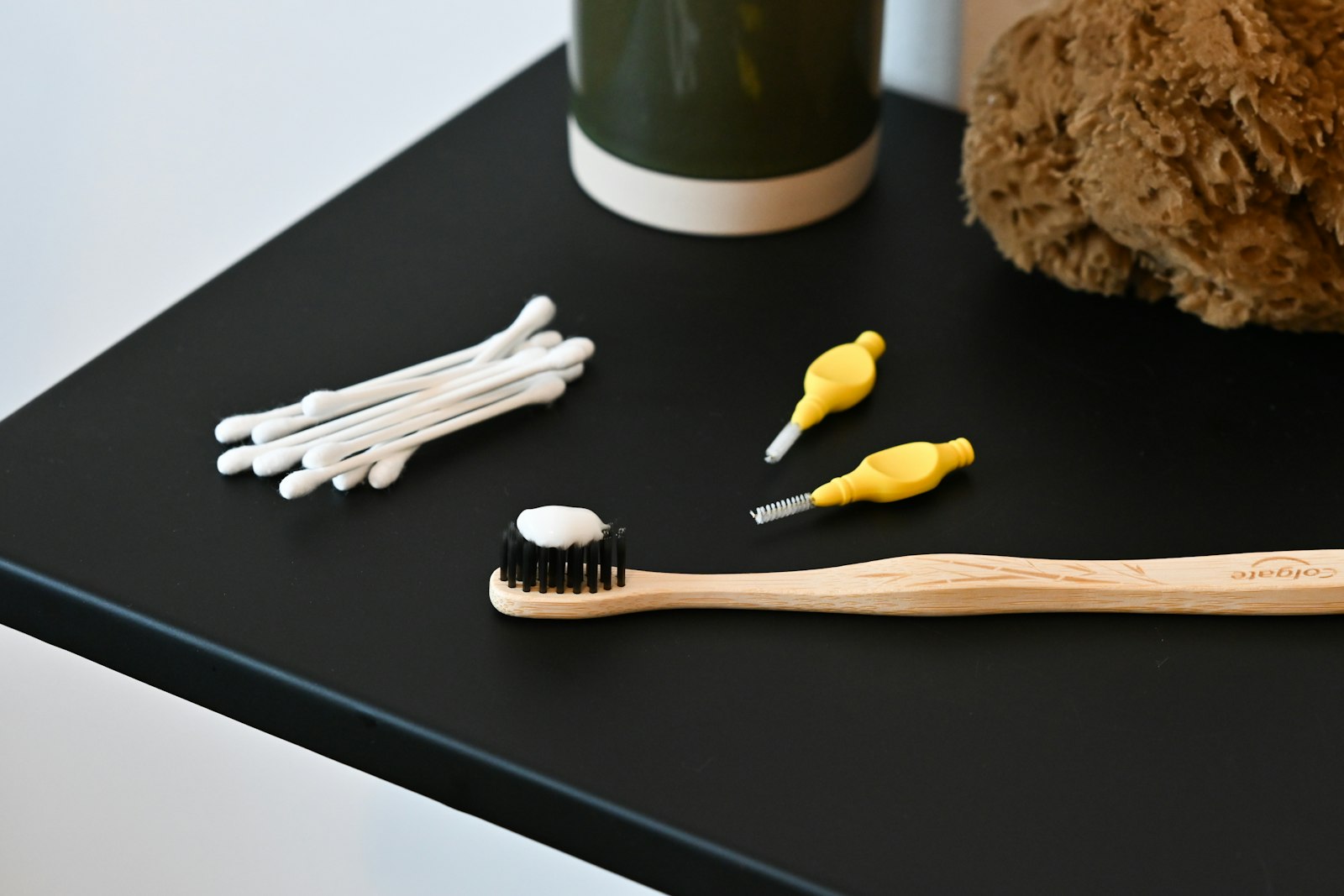

If your child refuses to brush their teeth, you are far from alone, and the fix is usually about routine, making it fun and staying calm rather than force. Brushing battles are one of the most common parenting frustrations, and they pass more easily with a few simple strategies. This guide offers practical, low-stress tips for a child who will not brush, plus a reminder of what really matters at each age.
Key takeaways
- A predictable twice-a-day routine helps brushing become an automatic habit.
- Young children need an adult to do or finish the brushing until around age seven or eight.
- Games, songs, timers and letting them have a turn all reduce resistance.
- Small choices, like picking the toothbrush, give children a sense of control.
- Persistent refusal or distress can have a cause worth checking with a dentist.
Start with a steady routine
Children settle into habits through repetition. Brushing at the same two times each day, usually after breakfast and before bed, makes it a normal part of the day rather than a negotiation. Tie it to something that already happens, like putting on pyjamas, so it becomes automatic. Our guide on how to clean baby and toddler teeth covers the basics of technique by age.
Make it fun, not a fight
The more playful brushing is, the less children dig in. A two-minute song, a favourite brushing video, a sand timer, or a reward chart with a sticker for each brush can turn a chore into a game. Some children respond to a toothbrush in a favourite colour or character. Letting them brush a toy's teeth first can also help. The aim is to keep the mood light so brushing does not become a daily standoff.

Practical tactics that tend to work
| Tactic | Why it helps |
|---|---|
| Let them have a turn, then you finish | Gives independence while making sure teeth are clean |
| Brush your own teeth together | Children copy what they see adults do |
| Offer small choices | Picking the brush or flavour gives a sense of control |
| Use a timer or song | Makes two minutes feel manageable and fun |
| Reward chart | Positive reinforcement builds the habit |
Who should be doing the brushing
It helps to know what to expect for their age. Young children do not have the coordination to clean their own teeth well until around seven or eight. Before then, let them have a go for independence, but an adult should do or finish the job. Use the right amount of fluoride toothpaste for their age, as set out in our guide on how much fluoride toothpaste children need. An age-appropriate brush, including an electric toothbrush for kids, can make the task easier and more engaging.
When refusal points to something else
Sometimes a child resists brushing because something hurts, because a flavour or texture bothers them, or because they are anxious. If brushing suddenly becomes painful or a tooth looks off, it is worth a dental check. Fear of the dentist or of brushing itself is also common and manageable, as covered in our guide on a child who is scared of the dentist. Diet plays a part too, and our article on tooth-friendly snacks for kids can help protect their teeth between brushes.
Frequently asked questions
My toddler screams when I brush their teeth. What can I do?
Stay calm, keep it brief, and try brushing while they sit on your lap facing away, or make it a game. A quick, gentle clean is better than a long fight. The habit usually settles with a steady routine.
How long should a child brush for?
Around two minutes, twice a day, with a fluoride toothpaste suited to their age. A song or timer makes the time feel manageable.
Should I let my child brush their own teeth?
Let them have a turn for independence, but an adult should do or finish brushing until about age seven or eight, when their coordination improves.
What if my child swallows toothpaste?
Use only the recommended small amount for their age and encourage them to spit. Our guide on children's fluoride toothpaste amounts explains how much to use.
Is it bad if my child misses a brush sometimes?
One missed brush is not a disaster. What matters is the overall habit. Aim for consistency rather than perfection, and keep the tone positive.
Support with your child's teeth
If brushing battles are ongoing or you are worried about your child's teeth, a friendly check-up can help. The team at Lumi Dental is happy to see younger patients. See current options on our offers page or learn about our general dental care.
This article is general information only and is not a substitute for personal dental advice. Please see a dentist to discuss your child's situation.

