


Lunch is rarely where aligner wear time goes missing on a workday. The bigger losses are the small, unplanned ones: a latte sipped over an hour at the desk, trays left in a drawer "until after this call", a snack that turns into a second snack. Grouping your trays-out time into a few short, deliberate breaks is usually enough to reach the 20 to 22 hours a day that Orthodontics Australia recommends.
Written by Dr James Tran, BDent (University of Sydney), MICOI, GradDip (Oral Implants), general dentist at Lumi Dental in Melrose Park.
Wear time slips more often than people think
Aligners only move teeth while they are being worn, and each tray is designed on the assumption that it will be in for most of the day. Fewer hours can mean teeth fall behind the plan, a tray that stops fitting snugly, and extra refinement trays later.
Hitting the target consistently is harder than it sounds. In a retrospective study of 2,644 adults who completed aligner treatment with app monitoring, Timm and colleagues (Journal of Clinical Medicine, 2021) found that about 36 percent met their definition of full compliance, which meant reporting at least 22 hours of wear on at least three quarters of their aligners. The figures were self-reported, so they are an estimate, but they suggest most people lose hours somewhere.
Count the minutes, not the meals
A day in the office does not need to cost much. Breakfast before you leave might take 20 minutes with brushing. A morning coffee, finished in one go and followed by a rinse, is around 15. Lunch with a brush at the office basin is about half an hour. An afternoon cuppa or snack adds another 15, and dinner at home perhaps 40. That totals roughly two hours, which leaves about 22 in.
There is some room on top of that. A second coffee or a longer lunch still keeps most people within the 2 to 4 hour allowance. What pushes a day over is stacking two long blocks together, such as a client lunch and a dinner out.
Office coffee needs its own plan
Coffee causes trouble for aligner wearers in three separate ways. Heat can soften and distort the plastic so the tray no longer seats properly. Colour stains it. Milk and sugar trapped under the tray sit against the enamel with little saliva to clear them, which raises the risk of decay.
Iced coffee solves only the heat problem. A long black without sugar still stains. So the approach that works is to take the trays out, drink the coffee rather than nurse it, rinse or brush, and put them straight back in. If you want more on how coffee and tea compare for staining and acid, our article on coffee versus tea for teeth goes into it.
Air-conditioned offices and lots of caffeine also tend to leave the mouth dry. The Australian Dental Association lists dehydration and heavy tea or coffee drinking among causes of dry mouth and notes that decay progresses faster when saliva is low. Water is the one drink you can have with trays in, so keep a bottle on the desk and sip through the day. For a full list of what is allowed, see our guide to eating and drinking with clear aligners.
Presentations and a new set of trays
Across a meeting table, colleagues are unlikely to spot aligners. Orthodontics Australia notes they are not completely invisible up close, and the attachments on some teeth may be slightly visible.
Speech is the more noticeable issue, and it is usually temporary. When aligners are first fitted, s and sh sounds can come out a little slushy; a systematic review in the European Journal of Orthodontics (2023) found most people adapted within one to two weeks, though the studies were small. Some people notice a brief return with a new tray, so swapping on a Friday night, or before a quieter day, gives you time to settle in. Reading aloud for a few minutes helps too. Our article on a lisp from braces or aligners has more on this.

What to keep in your desk drawer
A small pouch at work makes the routine much easier. The most important item is the aligner case, because trays wrapped in a serviette at lunch are the ones most often thrown out; if that happens, our guide to a lost or damaged aligner tray sets out what to do. Add a travel toothbrush and a small tube of fluoride toothpaste, since Orthodontics Australia recommends brushing whenever the trays come out.
Floss picks are worth having after lunch so food is not pressed against your gums all afternoon. Aligner chewies help seat the tray fully after you put it back in. Some people also keep their previous tray in a separate case as a backup in case the current one cracks.
Long lunches, late meetings and shift work
A 90 minute client lunch fits within the daily allowance as long as the rest of the day is tight. Put the trays in the case when the food arrives, and back in after a rinse on the way out. If the same day also includes dinner out, your dentist may suggest staying on that tray a little longer and checking that it sits fully down before you change. The evening side of this is covered in our post on clear aligners at drinks, dinners and weddings.
If you work shifts, think in terms of any 24 hour period rather than a calendar day. Tie your trays-out breaks to meal breaks, whenever they fall, and sleep with the trays in.
Reminders seem to help people who lose track. In a later study from the same research group (Scientific Reports, 2022), the share of patients classed as poorly compliant fell from about 24 percent to about 9 percent after app reminders and feedback were introduced. That was an observational comparison, not a trial, but a phone alarm set for 20 minutes after each meal is an easy version to try.
Planning aligner treatment around your week
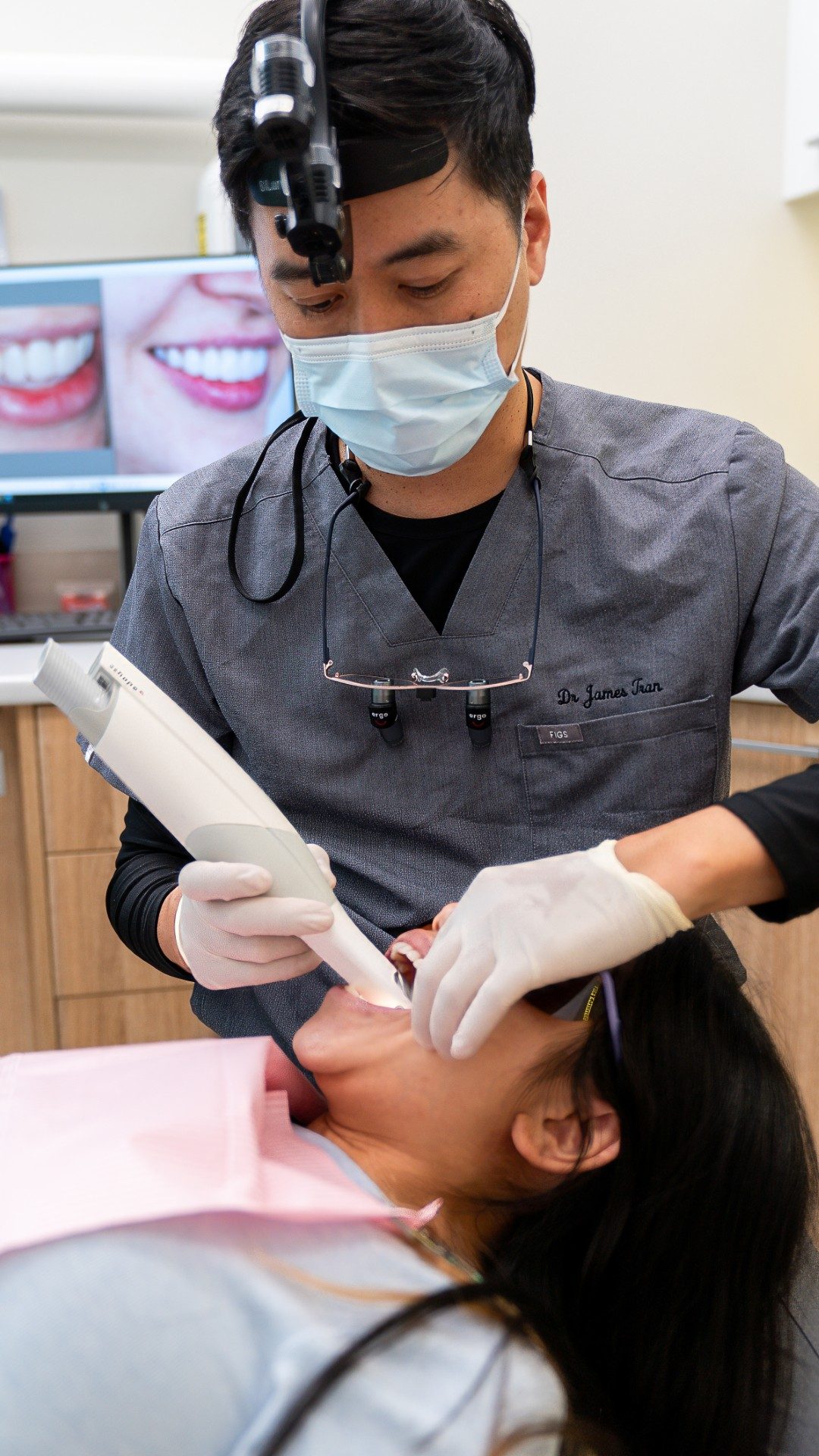
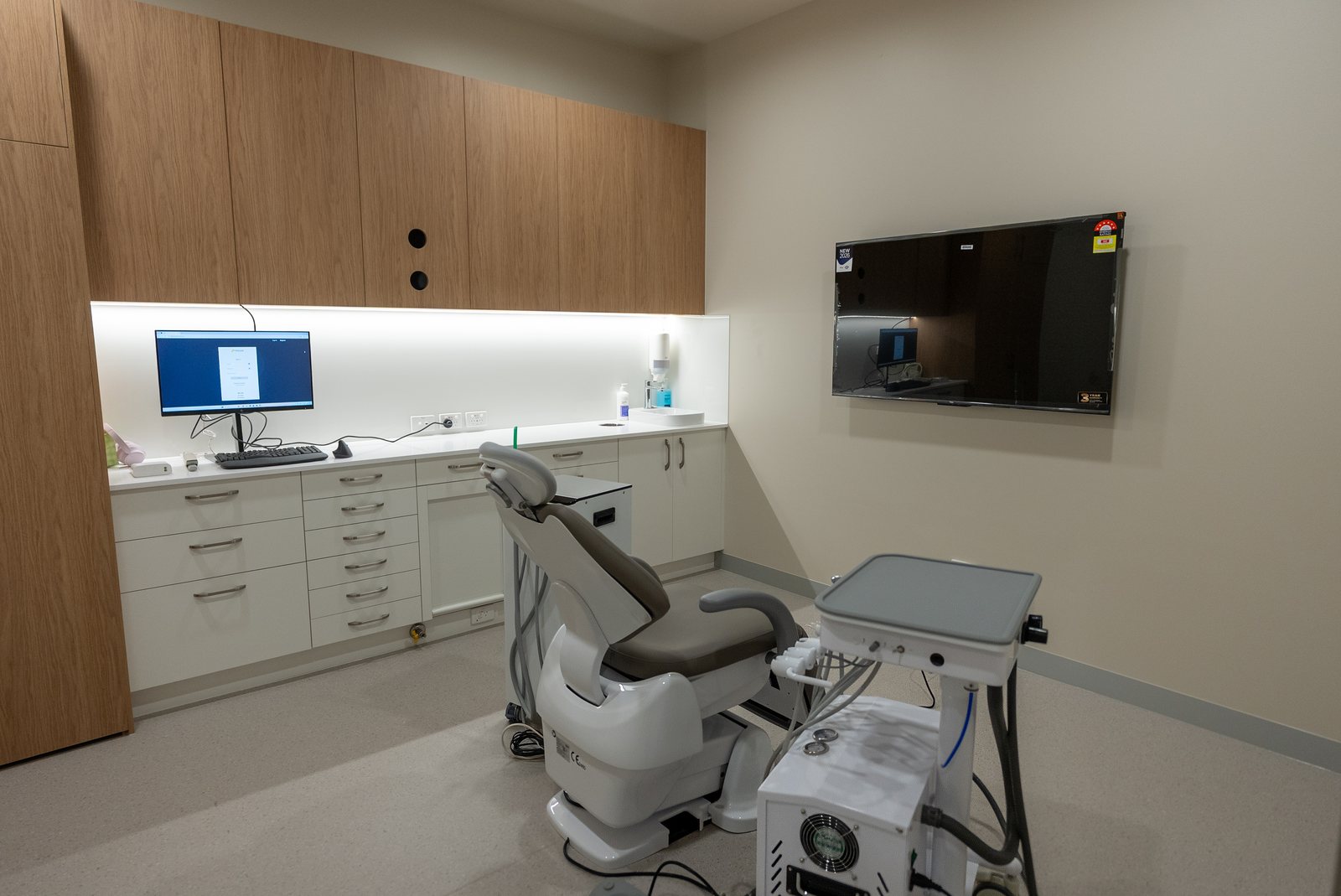
At Lumi Dental, aligner treatment is planned from a 3D intraoral scan, and a dentist reviews progress at set intervals and checks how each tray is fitting. It helps to tell us about your working week at the start, because a role with regular client meals and a desk job may suit different tray-change days. Our oral health therapists can help with cleaning for both trays and teeth. Read more about clear aligners at Lumi Dental.
What patients ask about aligners at work
Is a coffee with the trays in really a problem if it is black?
Yes. It will still stain the plastic, and if it is hot it can distort the tray. Take them out, drink it, rinse, and put them back.
My trays were out for most of a long workday. What should I do?
Get them back in and keep them in well for the next few days. If the next tray will not sit down properly when it is time to change, go back to the current one and contact the practice. Our article on an aligner tray that is not fitting explains the signs.
Do I need to brush at work every time?
Brushing each time is ideal. If you cannot, rinse your mouth and the trays well with water before putting them back, and brush thoroughly at the next chance.
Working out whether aligners suit your routine
If you want to know how aligners would fit around your meetings, coffee and travel, the team at Lumi Dental in Melrose Park can go through it with you after a scan. Book an aligner consultation or read about clear aligners at Lumi Dental.
Sources
- Orthodontics Australia: All about clear aligners
- Timm LH et al. Factors influencing patient compliance during clear aligner therapy: a retrospective cohort study. Journal of Clinical Medicine, 2021
- Timm LH et al. Effect of electronic reminders on patients' compliance during clear aligner treatment: an interrupted time series study. Scientific Reports, 2022
- Ali Baeshen H et al. The effect of clear aligners on speech: a systematic review. European Journal of Orthodontics, 2023
- Australian Dental Association, teeth.org.au: Dry mouth
About the author

Dr James Tran is a general dentist at Lumi Dental in Melrose Central, Melrose Park. He holds a Bachelor of Dentistry (BDent) from the University of Sydney and a Graduate Diploma in Oral Implants, and is a Master of the International Congress of Oral Implantologists (MICOI).
This article is general information only and is not a substitute for an examination and individual advice from a registered dental practitioner. Suitability for any treatment varies from person to person.








