Cleft lip and palate is one of the most common birth differences, affecting roughly 1 in 700 babies. It happens when the lip, the roof of the mouth, or both do not fully join during early pregnancy, and because the teeth near the cleft form in the same region they are often affected too. A missing tooth, usually the upper lateral incisor beside the cleft, is the most common dental finding, and extra or misshapen teeth can also occur. The reassuring picture for families is that cleft care in Australia is delivered by an experienced team along a well-established timeline, and the dental part is a planned, supported journey rather than a series of surprises.
Key takeaways
- Cleft lip and palate affects about 1 in 700 babies and is repaired surgically in infancy.
- The most common dental effect is a missing upper lateral incisor next to the cleft.
- Extra teeth, misshapen teeth and bite differences near the cleft are also common.
- Care is delivered by a multidisciplinary cleft team over many years.
- Good everyday oral care matters even more, because the teeth near the cleft are harder to clean.
The one idea that ties it together: it is a team journey over years, not a single fix
The most helpful thing for families to understand is that cleft care is a coordinated plan that unfolds across childhood, not a single operation. From the first surgery in infancy to orthodontics in the teenage years and sometimes implants in adulthood, a team of specialists works to a known sequence. The dentist and orthodontist are part of that team from early on. Knowing the journey is mapped out, and that each stage has a purpose and a timing, takes a great deal of the worry out of it.
What a cleft can mean for the teeth
Because the teeth near the cleft develop in the affected area, several things are common. The upper lateral incisor on the cleft side is frequently missing, reported in around two-thirds of cases. Extra teeth, small or oddly shaped teeth, and teeth that come through in the wrong position or angle also occur. The upper jaw may be narrower, leading to crossbites that orthodontics later addresses. None of these are unexpected to a cleft team; they are anticipated and built into the treatment plan.
The dental care timeline
Cleft repair follows a broad sequence, individualised for each child. Lip repair is usually done in the first months of life and palate repair within the first year or so. A specialist feeding team supports the baby before and after. Through the toddler and early-school years, the dental focus is prevention and gentle familiarisation, keeping the baby and adult teeth healthy. Around the age of eight to ten, a procedure called alveolar bone grafting is often carried out to fill the bony gap in the gum, which lets the adult teeth move into place. Orthodontics through the teenage years aligns the teeth and corrects the bite. In some cases, once growth is complete, a missing tooth is replaced with a bridge or a dental implant. The exact ages vary, but the order is consistent.

Everyday oral care
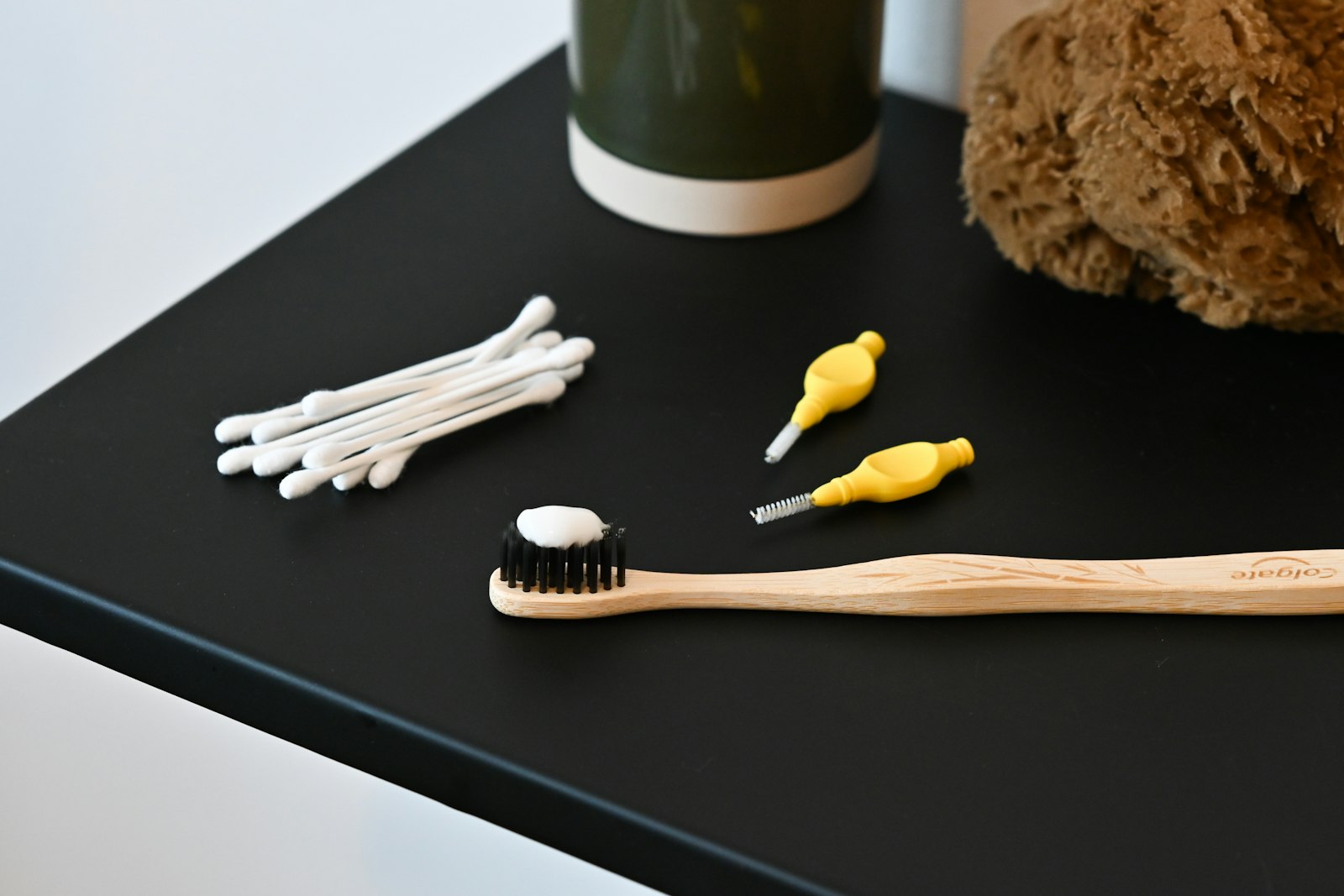
Daily care matters even more for a child with a cleft, because crowded, rotated or extra teeth near the cleft trap plaque and are harder to clean. Brush twice a day with a fluoride toothpaste, paying particular attention to the teeth on either side of the cleft. A small-headed brush helps reach awkward areas. Regular dental reviews keep the baby and adult teeth healthy so they are in the best condition for the orthodontic and surgical stages ahead. The cleft team will guide cleaning around any appliances. Keeping decay away is one of the most useful things a family can do to support the wider treatment plan.
General cost guide
Cleft care in Australia is largely delivered through public multidisciplinary teams. The ranges below are general market figures for the dental components families sometimes meet privately, for planning only. They are not a quote, and Lumi Dental does not list its own prices here.
| Item | General market range (AUD) |
|---|---|
| Check-up and clean | $180 to $390 |
| Orthodontic treatment course | $6,000 to $9,000 |
| Implant to replace a missing tooth (adult) | $4,500 to $6,500 |
The team at Lumi Dental is happy to support the everyday dental care that sits alongside your child's cleft team and provide a written quote where needed. See current offers on the current deals page or book a general dentist.
Frequently asked questions
Will my child be missing a tooth?
Often, yes. The upper lateral incisor next to the cleft is the most commonly missing tooth. The cleft team plans for this, whether by closing the space with orthodontics or replacing the tooth later.
Who looks after the dental side of a cleft?
A multidisciplinary cleft team that includes surgeons, orthodontists, dentists, speech pathologists and others, working to a coordinated timeline through childhood.
What is alveolar bone grafting?
A procedure, usually around age eight to ten, that fills the bony gap in the gum so the adult teeth can move into place. It is a routine part of cleft care.
Why is daily cleaning so important?
Teeth near the cleft are often crowded or misplaced and trap plaque, so careful brushing keeps them healthy and ready for the orthodontic and surgical stages.
When to see a dentist
Alongside your child's cleft team, book regular dental reviews from the time the first teeth appear, and sooner if you notice decay, pain or difficulty cleaning around the cleft. For related reading, see our guides on missing adult teeth (hypodontia), extra teeth in children, and your child's first dental visit.
This article is general information and does not replace individual dental and medical advice.