
Composite bonding aftercare comes down to one rule: never use a bonded tooth as a tool. The numbers back that up. Follow up studies of front tooth composite put 10 year survival at around 56 percent for restorations that rebuild the biting edge, and around 72 percent for those tucked between the teeth. The difference is load. Edges take it, side surfaces do not.
Composite is a tooth coloured resin, applied and shaped in the chair, not a porcelain shell made in a lab. That makes it easier and cheaper to repair, but also more stainable and more chippable. How you treat it matters more than it would with ceramic.
Key Takeaways
- Composite is repairable but softer and more porous than porcelain, so staining and chipping are the two things to manage.
- Reported annual failure rates for front tooth composite range from about 0 to 4.1 percent, and most failures are fracture, decay at the margin, or the shade no longer matching.
- Bonding on the biting edge fails soonest because it carries the most force.
- Whiten before you bond, never after. Composite does not lighten with whitening gel.
- In studies of ageing front tooth composite, staining was the most common problem at about 44 percent, followed by loss of surface lustre at about 31 percent.
- A polish at your routine hygiene visit removes surface stain and brings back the shine.
Why bonding needs different care to porcelain
Porcelain is glass. It is glazed, almost non porous, and it resists stain from coffee and wine very well. Composite is a resin matrix with fine filler particles in it. The surface is polished rather than glazed, and over time that polish dulls. Once the lustre goes, pigment sticks more easily, and once pigment sticks the restoration looks darker than the tooth around it.
The trade off works in your favour in one important way. If porcelain chips, it usually means a remake. If composite chips or stains, more resin can be added, or the surface can be repolished, often in a single visit. That repairability is a large part of why patients choose it. Our comparison of composite bonding versus veneers goes through the trade offs in detail.
How long it actually lasts
Honest numbers help you plan. Across the published follow up work, annual failure rates for front tooth composite sit somewhere between roughly 0 and 4.1 percent. At the 10 year mark, restorations rebuilding the incisal edge survive at around 56 percent, while those on the side surfaces between teeth survive at around 72 percent.
The three reasons composite is replaced are consistent. Fracture of the restoration or the tooth behind it. Decay starting at the margin where the resin meets enamel. And aesthetic decline, meaning the colour or surface no longer matches. Nothing on that list is random. All three respond to how the bonding is used and cleaned.
Why edge bonding chips first
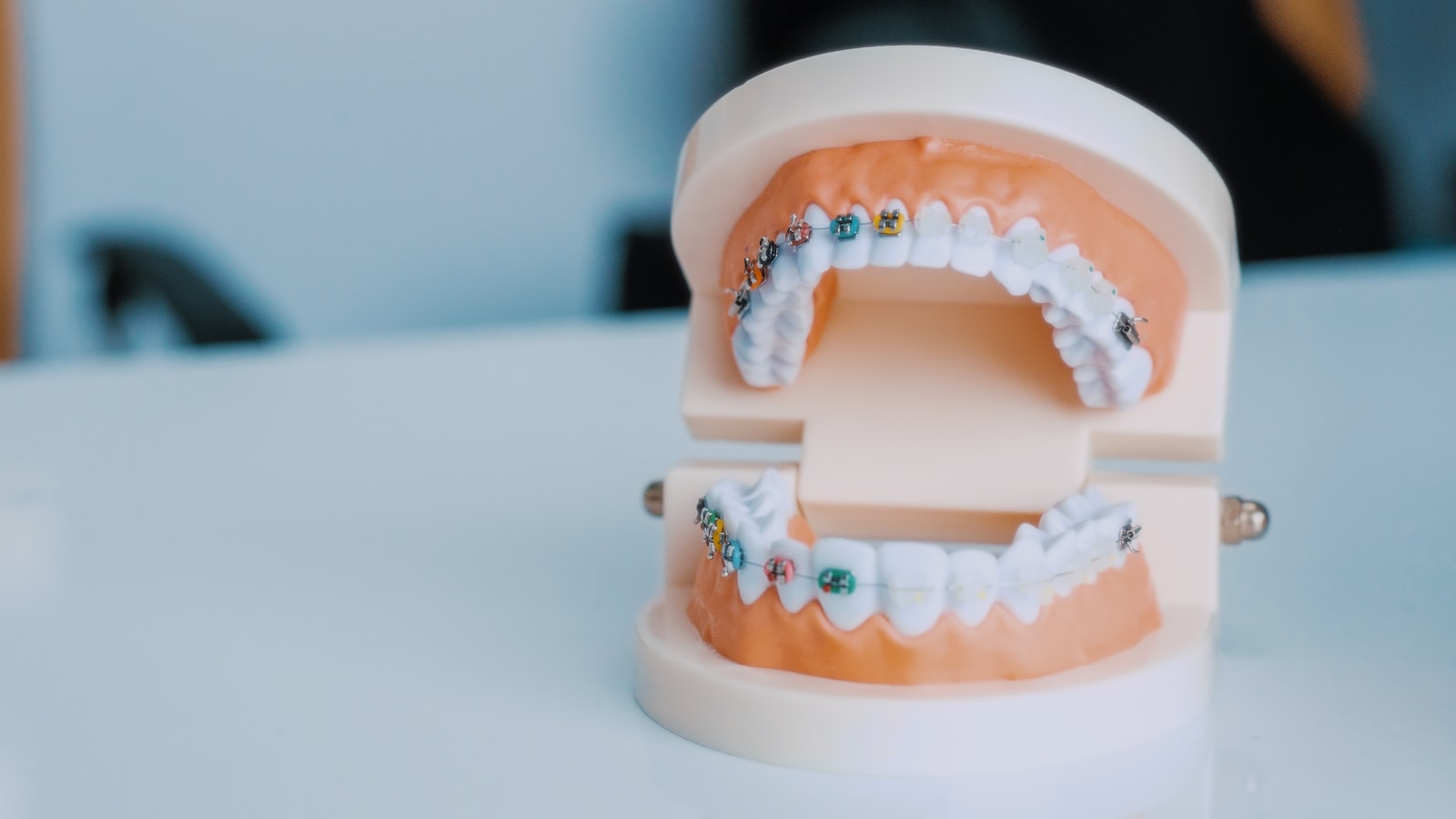
If bonding was used to rebuild a chipped corner or lengthen a short front tooth, the resin now sits at the point where your teeth meet and shear against each other. Front teeth are designed to tear and slice. Every bite into an apple or a crusty roll puts a shearing force through exactly that spot.
Resin handles compression reasonably well. It handles repeated bending and shear less well, and it has no enamel underneath it at the very tip to share the load. So the habits that actually break bonding are the ones people rarely think of as risky: biting fingernails, opening packaging, tearing tape, holding hairpins or pens between the teeth, chewing ice, and biting hard crusty bread straight on. In my experience, nail biting is the single most reliable predictor of who will be back for a repair.
None of that means you have to eat carefully forever. It means you cut things with a knife, you tear packaging with scissors, and you take the first bite of hard food with your back teeth.
The whiten first rule
This one is simple and almost nobody states it clearly. Whitening gel works on natural tooth structure. It does not lighten composite resin at all. So if you whiten after bonding, your natural teeth get lighter and the bonding stays where it was, which now reads as a dark patch.
The correct order is to whiten first, let the shade settle for about 2 weeks, then match the composite to the new lighter shade. If you whiten later on, expect that the bonding may need replacing to match. Our guides to in chair versus take home whitening and tooth shade matching explain how shade selection works and why the two week wait matters.
The same logic applies to any porcelain already in your mouth. Crowns and veneers do not lighten either. If you have existing restorations at the front, that conversation belongs at the planning stage, not after.
Habits, risks and practical swaps
The table below covers the habits that come up most often in review appointments, and what to do instead.
| Habit | Risk to bonding | Practical swap |
|---|---|---|
| Biting nails, pens or hairpins | Chipping at the biting edge, the most common failure | Keep nails short, use scissors, keep a fidget item on your desk |
| Opening packaging or bottles with your teeth | Sudden fracture of resin or the tooth behind it | Scissors in the kitchen drawer and one in the car |
| Chewing ice or hard lollies | Micro cracks that spread into a visible chip | Let ice melt, choose softer sweets and rinse afterwards |
| Coffee, tea, red wine, curry and tomato sauces | Surface staining, the most common aesthetic complaint | Rinse with water afterwards, use a straw for iced drinks, do not brush for 30 minutes |
| Smoking or vaping | Heavy staining and quicker loss of surface lustre | Quitting helps most, and more frequent polishing helps in the meantime |
| Charcoal or abrasive whitening toothpaste | Scratches the polish, so stain sticks faster | A regular low abrasion fluoride toothpaste and a soft brush |
| Grinding or clenching at night | Fracture of edge bonding and flattening of the surface | Ask about a custom night guard and wear it every night |

Staining, and what actually removes it
Staining is the most frequently reported problem with ageing front tooth composite, showing up in around 44 percent of cases in photographic follow up, with loss of surface lustre close behind at about 31 percent. Those two go together. Pigment does not soak deeply into well polished resin. It clings to a surface that has become microscopically rough.
The main drivers are coffee, tea, red wine, curry and turmeric, tomato based sauces, dark berries, smoking and vaping. Whitening gel will not remove stain that has settled into composite, and abrasive pastes make the underlying problem worse by roughening the surface further.
What does work is a professional polish. At a routine hygiene visit the surface can be cleaned and repolished with fine discs and paste, which lifts surface pigment and restores the shine. For most people with front tooth bonding, a polish every 6 months keeps things looking consistent. If stain has penetrated more deeply, the outer layer of resin can be removed and a fresh layer added, which is a short appointment and far less involved than starting again.
One more habit worth naming. Many people stop having hygiene visits once the cosmetic work is finished, on the basis that the teeth look fine. That is exactly backwards. The polish is what keeps them looking fine, and the margins are where problems start quietly.
Daily cleaning without damaging the bonding
Bonding is not fragile in normal use. It just does not like abrasion or snapping forces.
- Use a soft or extra soft brush, manual or electric. Electric brushes are fine on composite.
- Choose a standard fluoride toothpaste with low abrasivity. Avoid charcoal, baking soda pastes and anything marketed on how much it scrubs.
- Floss every day, but at the margin slide the floss out sideways rather than snapping it back up through the contact. Snapping upward is what catches an edge and lifts it.
- Do not brush straight after acidic food or drink. Rinse with water and wait about 30 minutes.
- Keep your routine hygiene visits, because decay starting at the margin is one of the top three reasons bonding is replaced, and it is invisible to you early on.
If your flossing technique is a bit hit and miss, our step by step guide to flossing properly is worth 5 minutes.
Grinding, clenching and night guards
If you grind your teeth, bonding on the front teeth is sitting in the firing line. Grinding applies sustained lateral force to exactly the surfaces that bonding is added to, and it does it for hours while you are asleep and cannot moderate it.
Signs worth mentioning to your dentist include waking with tight jaw muscles, flattened or shiny worn spots on the back teeth, morning headaches, and a partner telling you they can hear it. A custom made night guard spreads the load and protects both the bonding and the natural enamel. Shop bought boil and bite guards are bulkier, fit less accurately and are often not worn.
Common questions
How often will composite bonding need replacing?
It varies with where it sits and how it is used. Bonding between teeth commonly runs beyond 10 years, while bonding rebuilding a biting edge is more likely to need repair or replacement within that window. Small chips are often patched rather than fully redone. Regular reviews mean repairs happen while they are still small.
Can I whiten my teeth after bonding?
You can whiten the natural teeth, but the bonding will not change colour, so it may end up looking darker than everything around it. If you are planning to whiten at all, do it first. If you have already bonded and now want to whiten, expect a conversation about replacing the resin afterwards so the shades match.
Will coffee stain bonding straight away?
No. New, well polished composite resists stain reasonably well. Staining builds gradually as the surface polish wears down, usually over months to years. Rinsing with water after coffee, tea or red wine and having the surface polished at your hygiene visits slows it considerably.
Is an electric toothbrush safe on bonding?
Yes, provided you use a soft head and a non abrasive toothpaste, and you let the brush do the work rather than pressing hard. Most electric brushes have a pressure sensor for this reason. The abrasiveness of the paste matters far more than the brush itself.
What should I do if a piece chips off?
Keep the fragment if you find it, avoid biting on that tooth and ring the practice. Most chips are repairable by adding fresh resin, and it is usually a short appointment. If a sharp edge is cutting your lip or tongue, mention that when you call so you are seen sooner. Getting it repaired early also prevents stain settling into the exposed surface.
Talk it through first
If you are considering bonding, or you have existing bonding that has dulled or chipped, the team at Lumi Dental in Melrose Park offers a complimentary cosmetic consultation to look at the teeth, discuss sequencing such as whitening first, and give you a written quote before anything is booked. Learn more about composite bonding in Melrose Park or book through our complimentary cosmetic consultation page. If you are weighing bonding against ceramic, our article on how long veneers last is a useful companion read.
This article is general information and is not a substitute for individual advice from a dentist who has examined you.